Now Reading: Was it World War I or World War II Quiz
-
01
Was it World War I or World War II Quiz

Was it World War I or World War II Quiz
World War I and World War II were two of the most important conflicts in modern history, but it can sometimes be easy to mix up which events, battles, leaders, technologies, and turning points belong to which war. Both conflicts involved major world powers, huge military campaigns, dramatic political changes, and moments that shaped the future of the 20th century.
This Was it World War I or World War II Quiz challenges you to decide whether each statement belongs to the First World War or the Second World War. Some questions focus on famous battles and military campaigns, while others look at political decisions, wartime technology, leaders, and events away from the battlefield.
The quiz is designed to test your ability to tell the two world wars apart, rather than simply asking for dates or basic facts. You may know the event, but can you correctly place it in the right war?
Take the quiz and see how well you can separate World War I from World War II.
1. The Christmas Truce happened during this war.
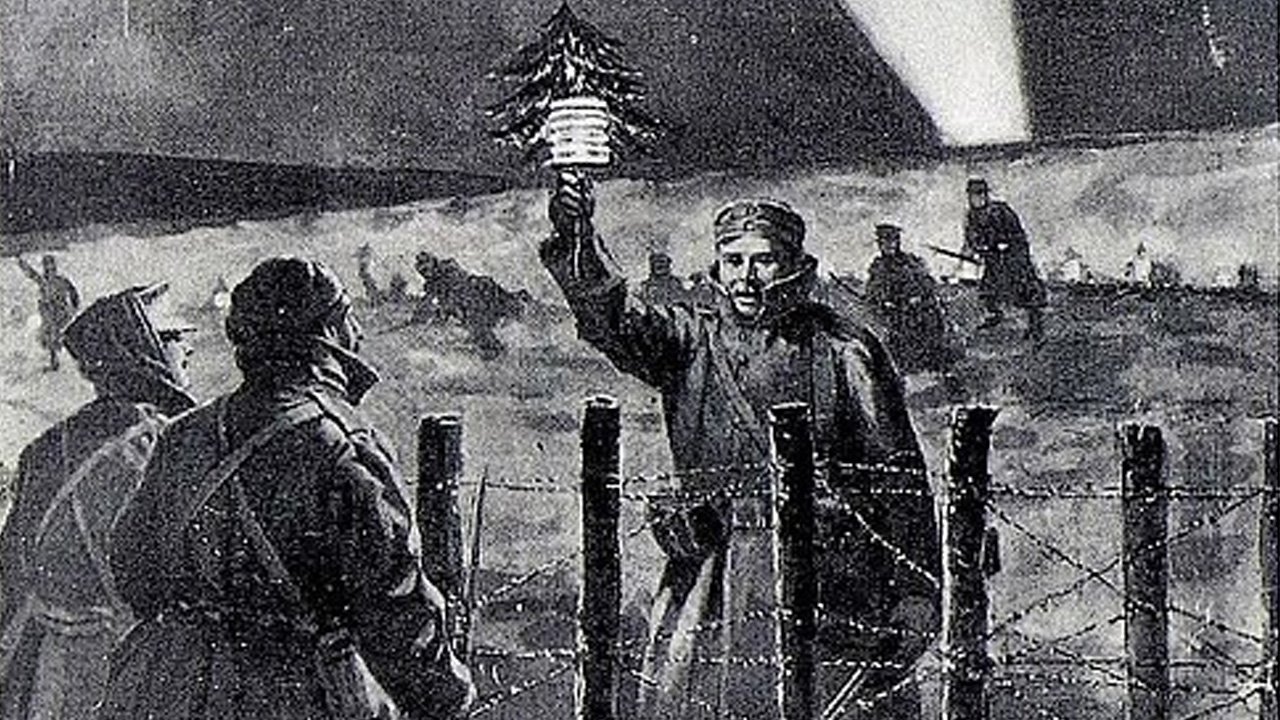
Correct Answer: World War I
The Christmas Truce happened during World War I in December 1914. Along parts of the Western Front, some British and German soldiers temporarily stopped fighting, exchanged greetings, sang carols, and in some places met in No Man’s Land. It became one of the most famous human moments of the war, although fighting soon resumed.
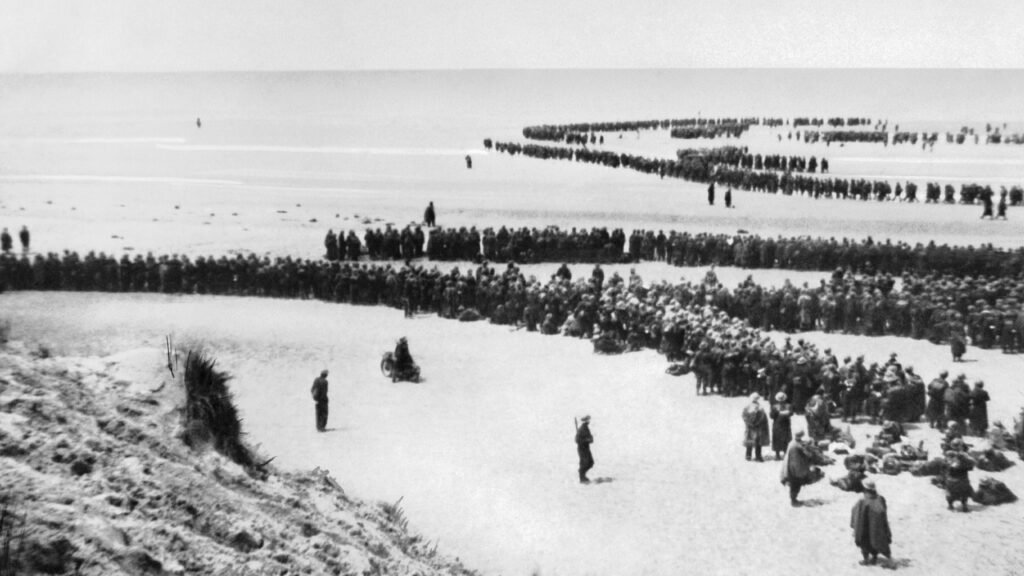
2. The Dunkirk evacuation took place during this war.
Correct Answer: World War II
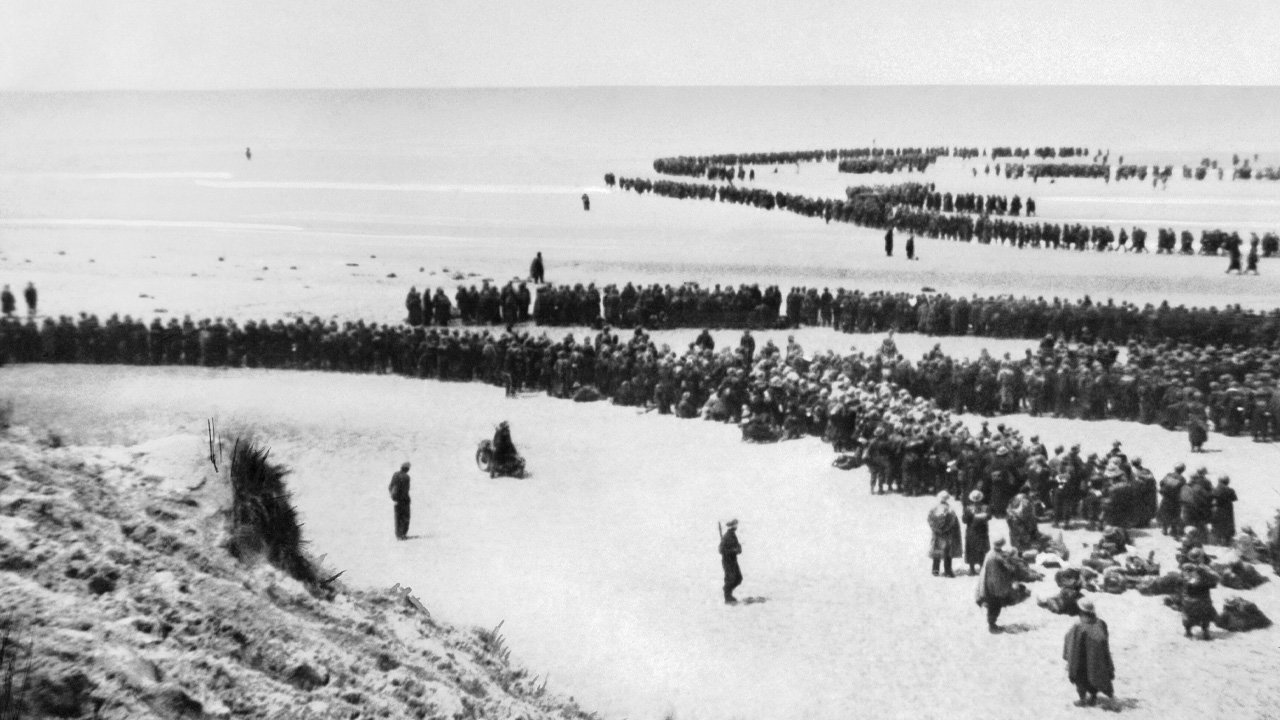
The Dunkirk evacuation took place during World War II in 1940. Allied soldiers were trapped by German forces in northern France and were evacuated across the English Channel to Britain. The operation rescued hundreds of thousands of troops and became one of the most famous events of the early years of the war.
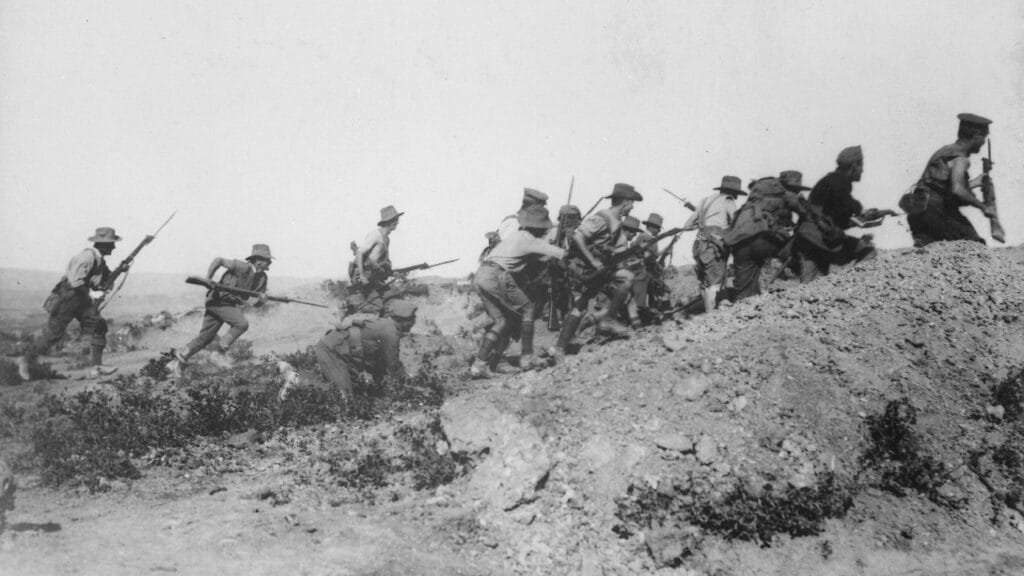
3. The Gallipoli Campaign took place during this war.
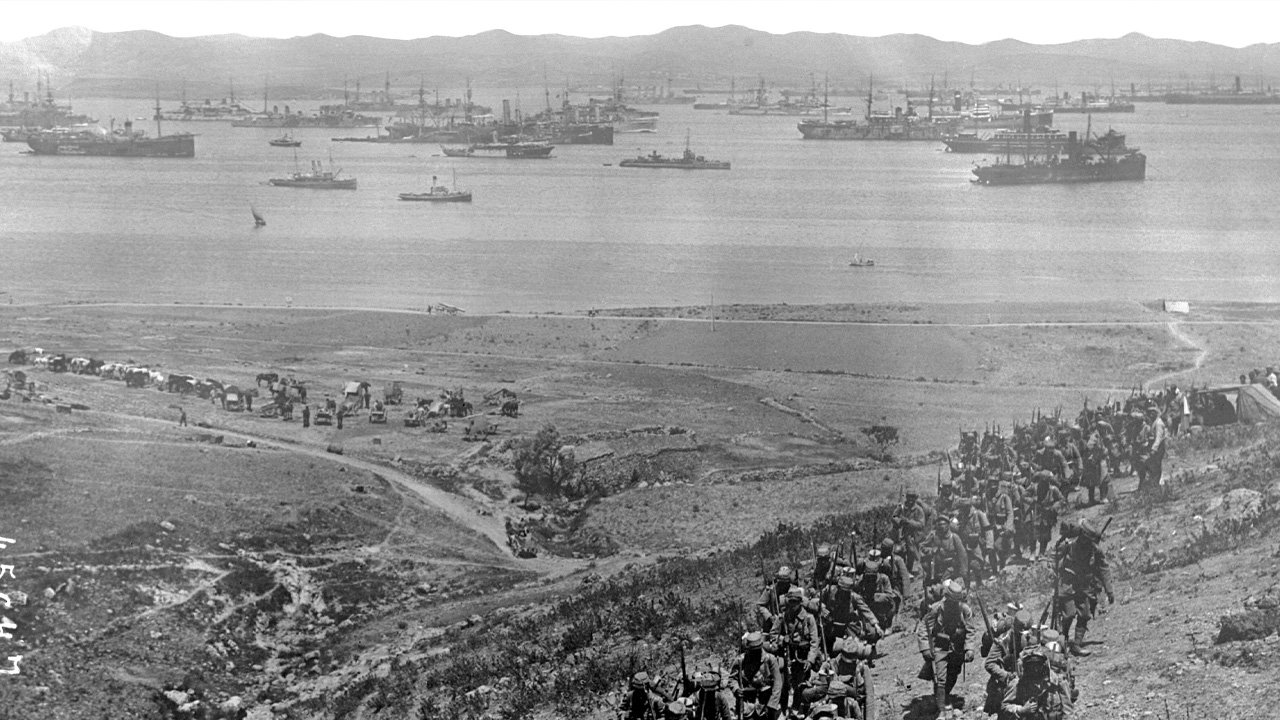
Correct Answer: World War I
The Gallipoli Campaign took place during World War I, beginning in 1915. Allied forces attempted to capture the Gallipoli peninsula in the Ottoman Empire in order to open a route to Russia. The campaign became a costly failure for the Allies and is especially remembered in Australian, New Zealand, British, Turkish, and wider World War I history.
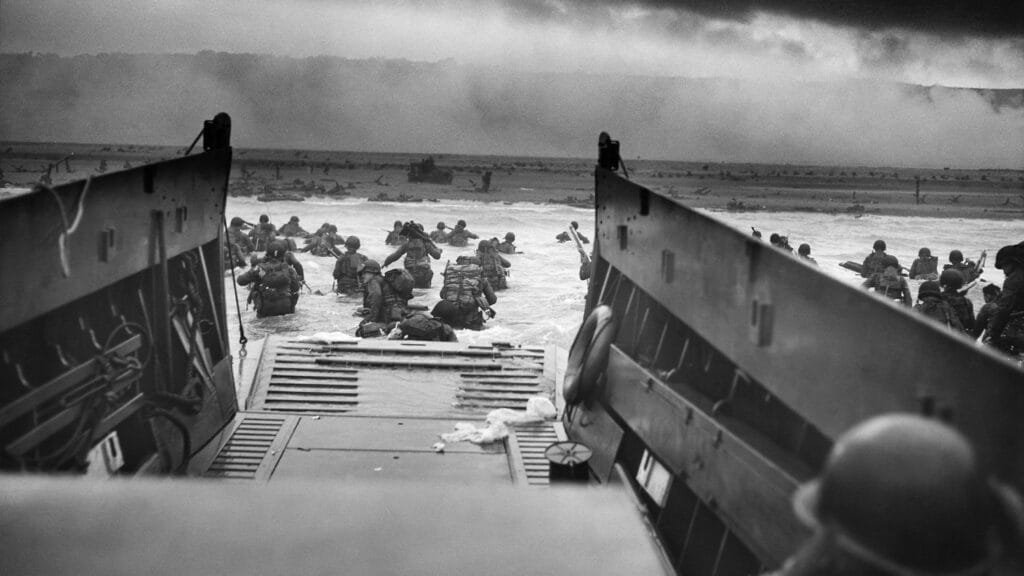
4. The D-Day landings happened during this war.

Correct Answer: World War II
The D-Day landings took place during World War II on June 6th, 1944. Allied forces landed on the beaches of Normandy in German-occupied France, beginning the liberation of Western Europe. It became one of the largest amphibious military operations in history and one of the most famous events of the war.
5. The Battle of Jutland took place during this war.
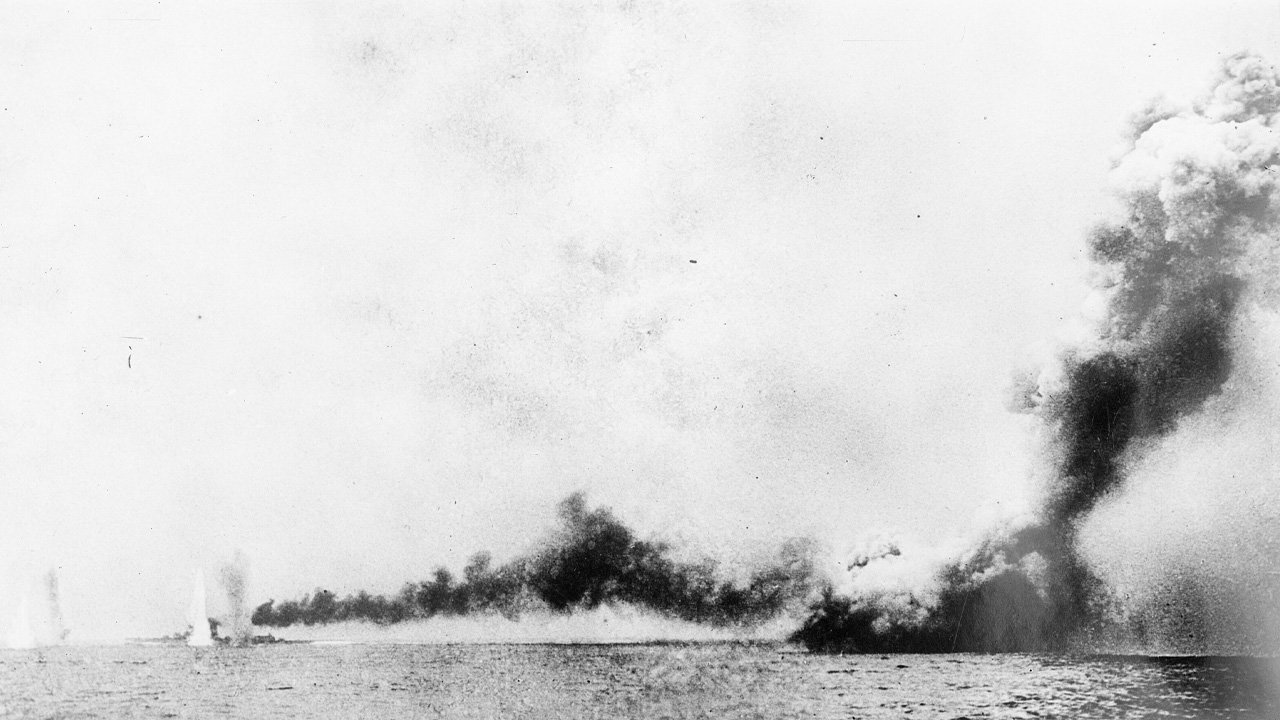
Correct Answer: World War I
The Battle of Jutland took place during World War I in 1916. It was the largest naval battle of the war and was fought between Britain’s Royal Navy and Germany’s High Seas Fleet in the North Sea. Although both sides claimed some form of success, the battle helped confirm British naval control and kept much of the German fleet in port for the rest of the war.
6. Winston Churchill was First Lord of the Admiralty at the outbreak of this war.

Correct Answer: World War I
Winston Churchill was First Lord of the Admiralty when World War I began in 1914, meaning he was the political head of Britain’s Royal Navy. He later resigned after the failure of the Gallipoli Campaign. During World War II, Churchill is much more famous for serving as Prime Minister of the United Kingdom.
7. Britain formed the Home Guard to help defend the country from a possible German invasion.
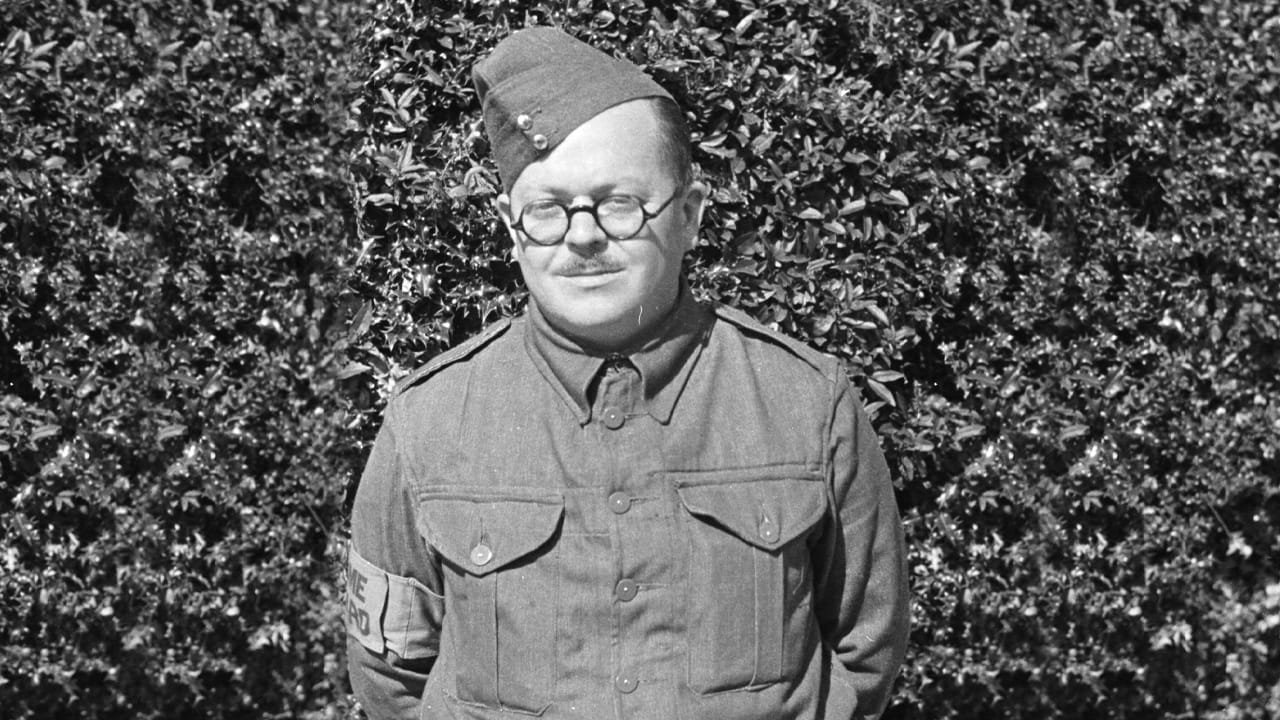
Correct Answer: World War II
The Home Guard was formed in Britain during World War II, after the fall of France in 1940 raised fears of a German invasion. It was made up of local volunteers, many of whom were too old, too young, or otherwise unable to serve in the regular armed forces. Their job was to help defend Britain at home if an invasion took place.
8. The Zimmermann Telegram helped bring the United States closer to joining this war.
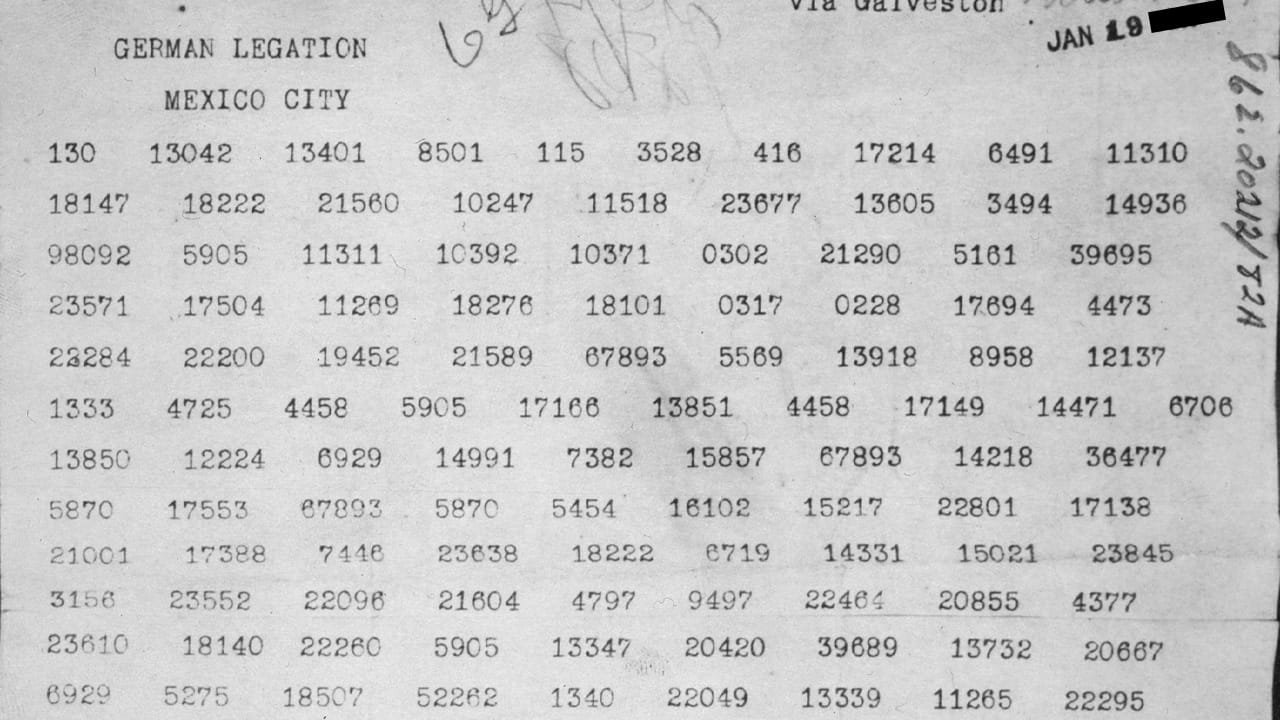
Correct Answer: World War I
The Zimmermann Telegram was sent by Germany to Mexico in 1917 during World War I. It proposed that Mexico join the war against the United States if America entered the conflict. When the telegram became public, it caused outrage in the United States and helped push the country closer to joining the Allies.
9. Russia left the conflict after the Bolshevik Revolution and signed a peace treaty with Germany.
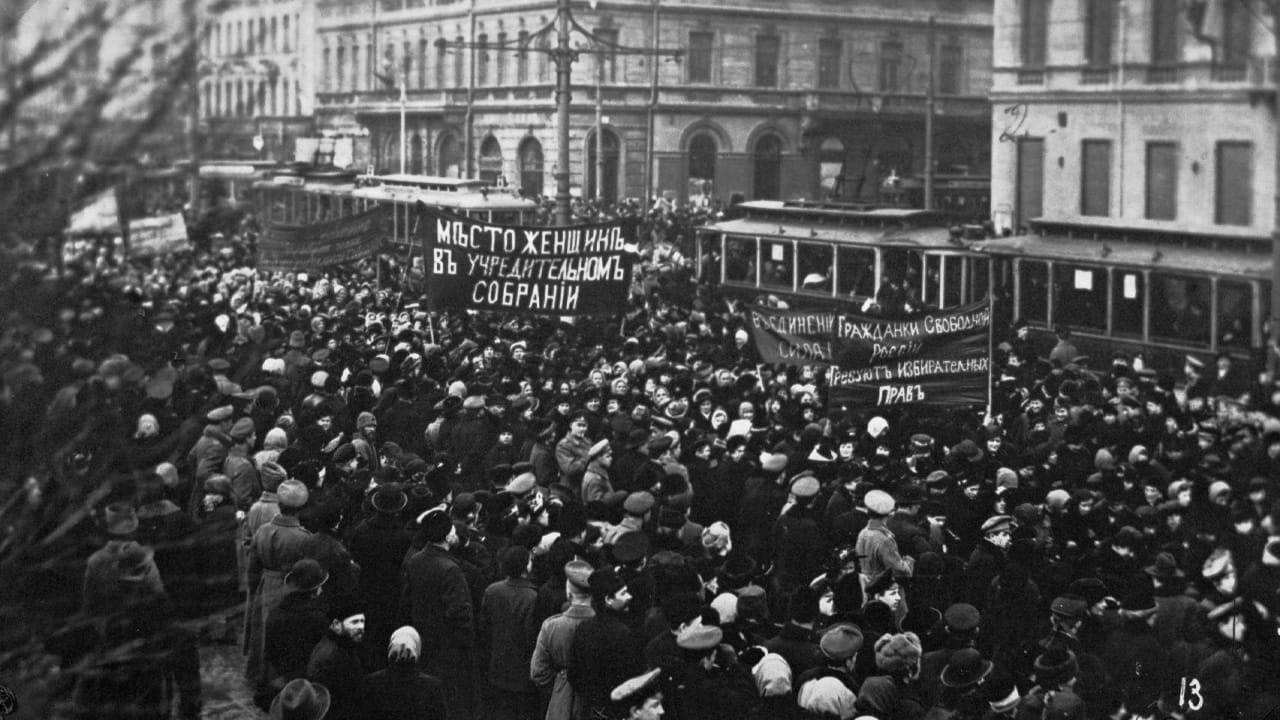
Correct Answer: World War I
Russia left World War I after the Bolshevik Revolution of 1917. The new Bolshevik government wanted to end Russia’s involvement in the war and signed the Treaty of Brest-Litovsk with Germany in 1918. This took Russia out of the conflict before the war ended later that same year.
10. Radar played an important role in Britain’s air defence during this war.
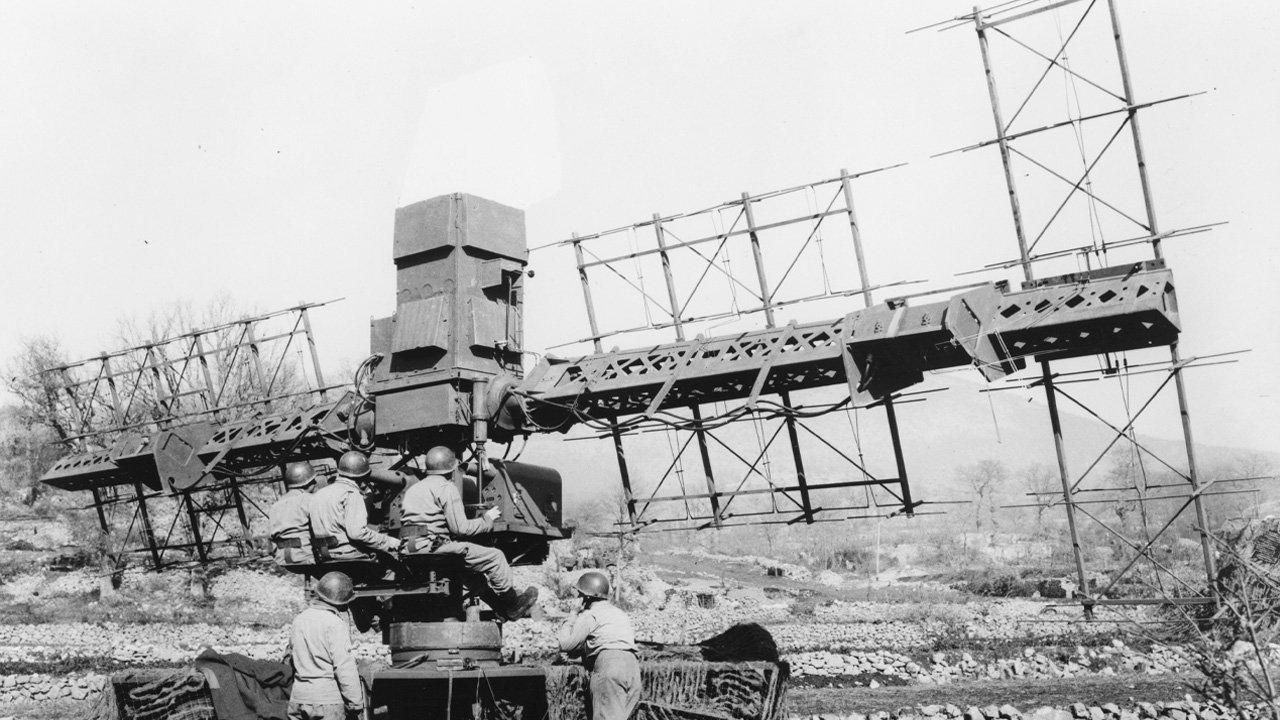
Correct Answer: World War II
Radar played an important role in Britain’s air defence during World War II, especially during the Battle of Britain in 1940. It helped detect incoming German aircraft before they reached the coast, giving the Royal Air Force valuable time to respond. This made radar one of the key technologies used in defending Britain from air attack.