Now Reading: Silent Film Era Quiz
-
01
Silent Film Era Quiz

Silent Film Era Quiz
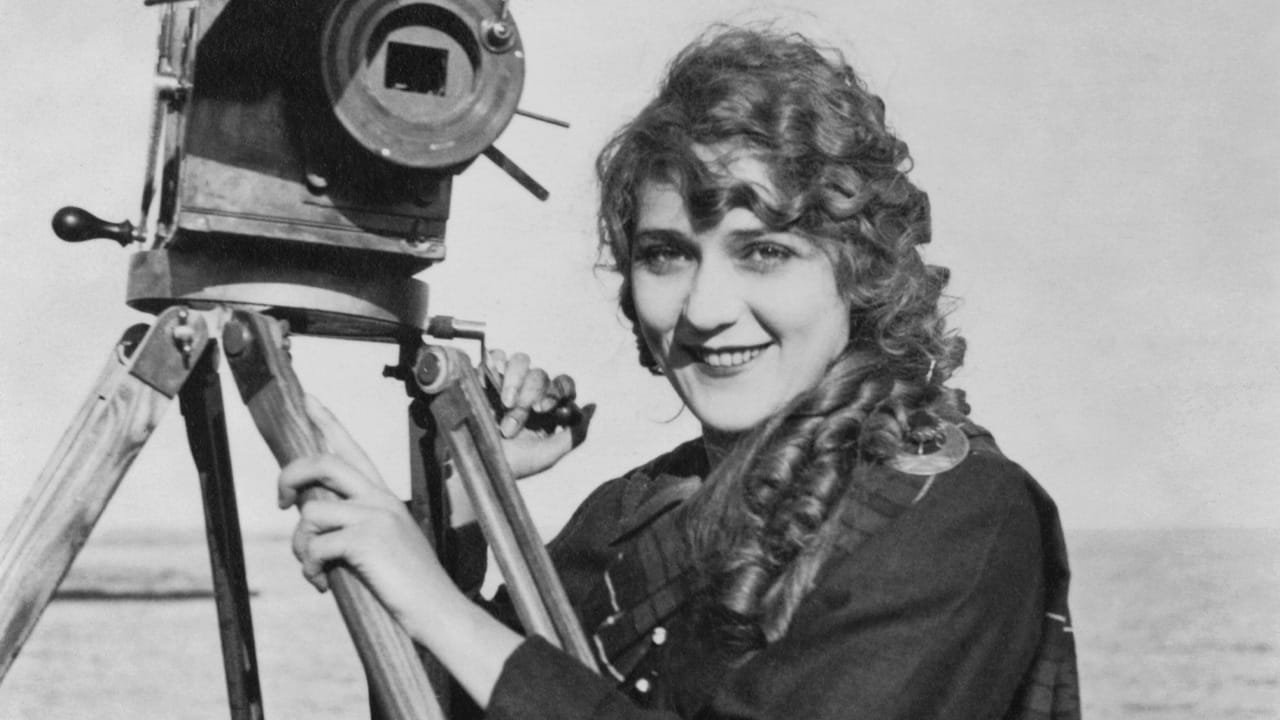
The Silent Film Era was one of the most fascinating and influential periods in movie history. Before synchronized dialogue became a normal part of cinema, filmmakers had to tell stories through movement, expression, editing, lighting, title cards, music, and powerful visual imagery. These early films helped shape the language of cinema and introduced many of the techniques that are still used in movies today.
Silent movies were far from simple or primitive. They included comedy, drama, romance, adventure, horror, historical epics, and experimental films. Audiences around the world packed cinemas to watch daring stunts, emotional performances, elaborate sets, and stories brought to life without spoken words. Live musicians often accompanied screenings, helping create atmosphere and excitement for the audience.
This Silent Film Era Quiz will test your knowledge of early cinema, classic silent movies, famous silent film actors, pioneering directors, early Hollywood, international filmmaking, and the transition from silent films to sound films. It covers the people, productions, inventions, and major moments that made silent cinema such an important chapter in film history.
Take the quiz and see how much you know about the Silent Film Era, from the birth of motion pictures to the final years before the rise of the “talkies.”
1. Which silent film actor created the famous character known as “The Tramp”?
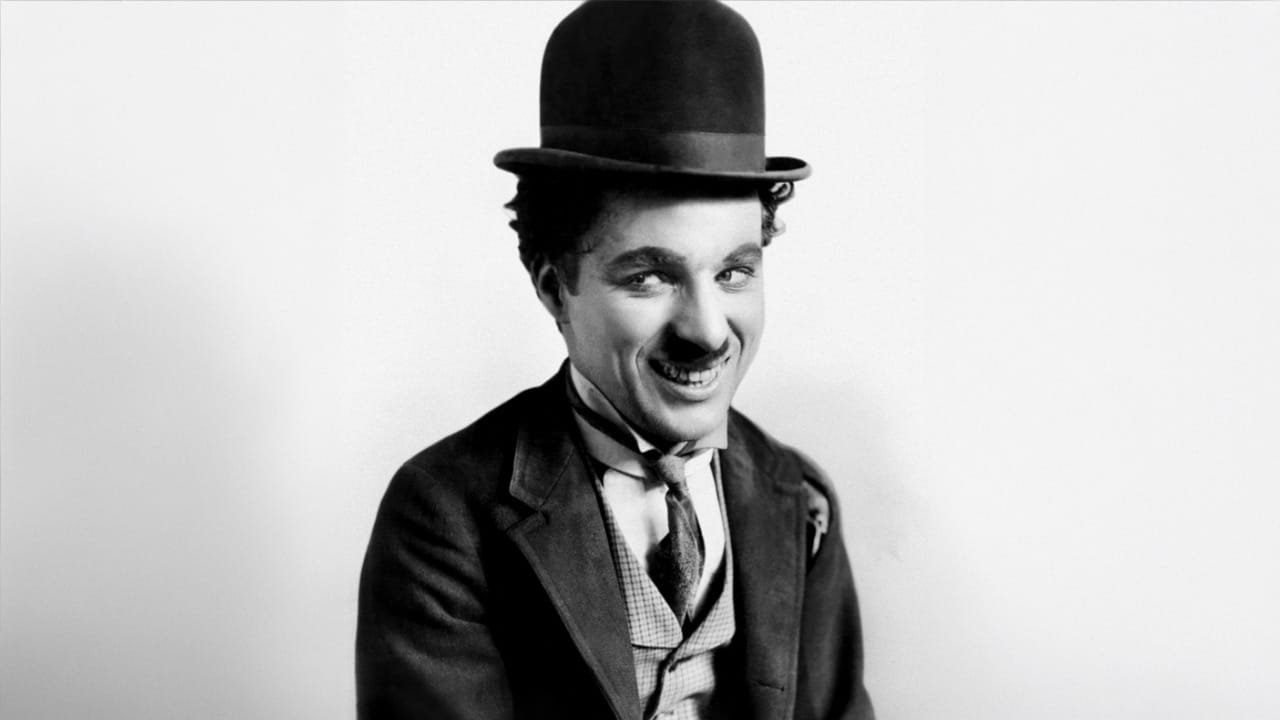
Correct Answer: Charlie Chaplin
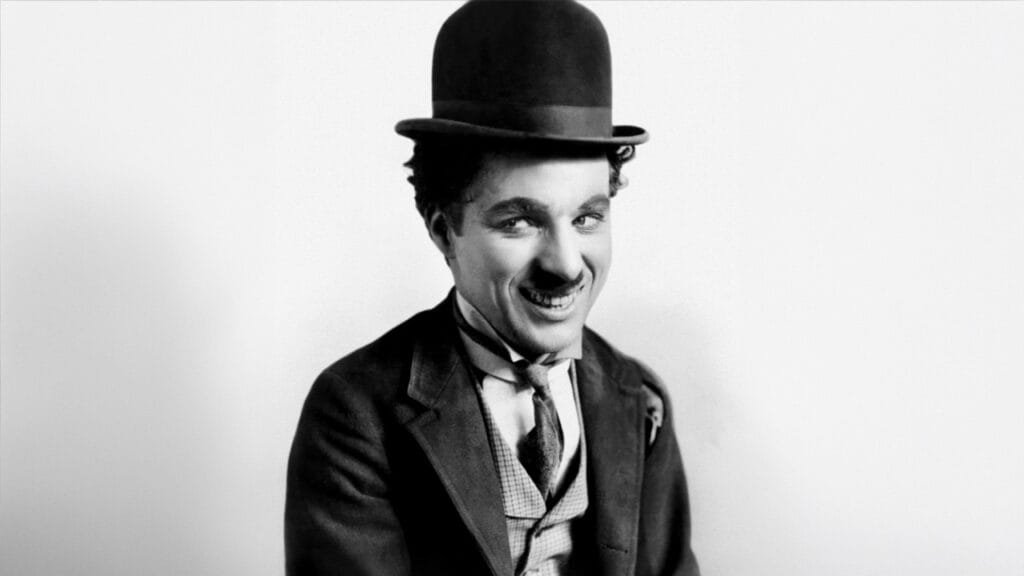
Charlie Chaplin created “The Tramp,” one of the most famous characters of the silent film era. The character was known for his bowler hat, cane, small moustache, and awkward walk, and helped make Chaplin one of the most recognizable stars in early cinema.
2. Which German director made the influential 1927 silent science-fiction film Metropolis?
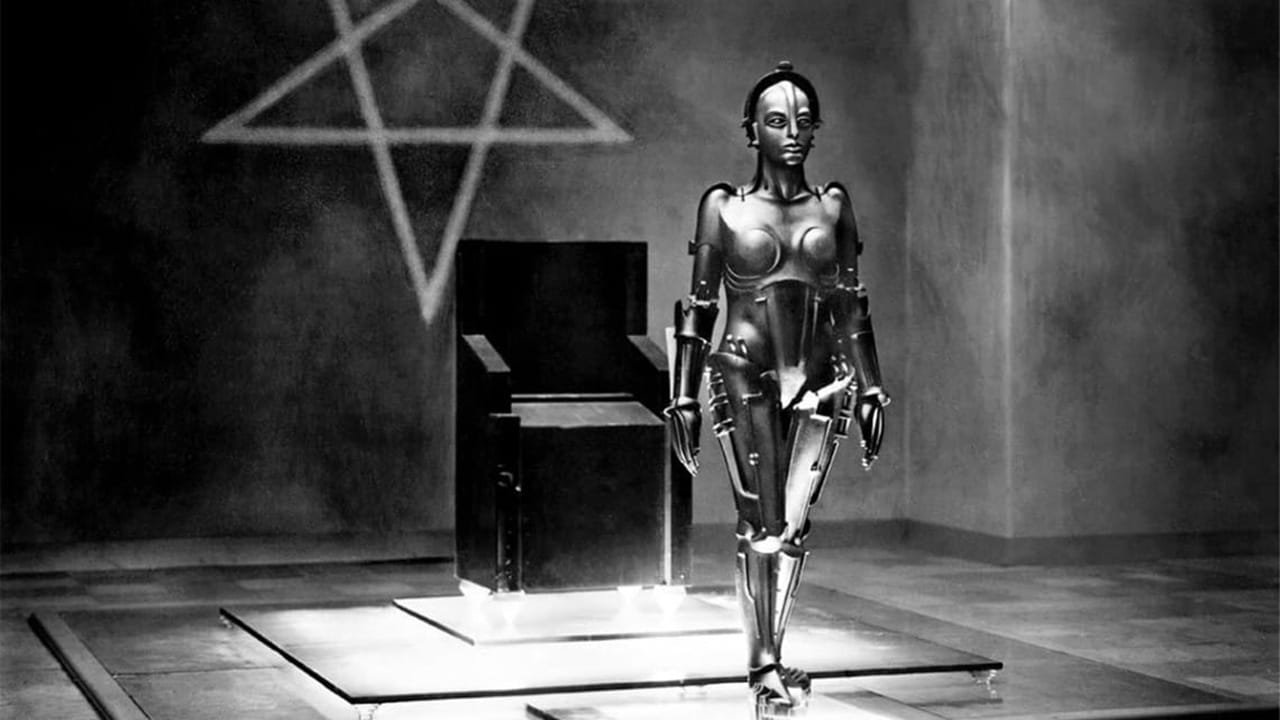
Correct Answer: Fritz Lang
Fritz Lang directed Metropolis, one of the most famous and visually influential films of the silent era. Released in 1927, the film is known for its futuristic city, large-scale sets, and strong influence on later science-fiction cinema.
3. Which silent film comedian is famous for the clock-hanging scene in Safety Last!?
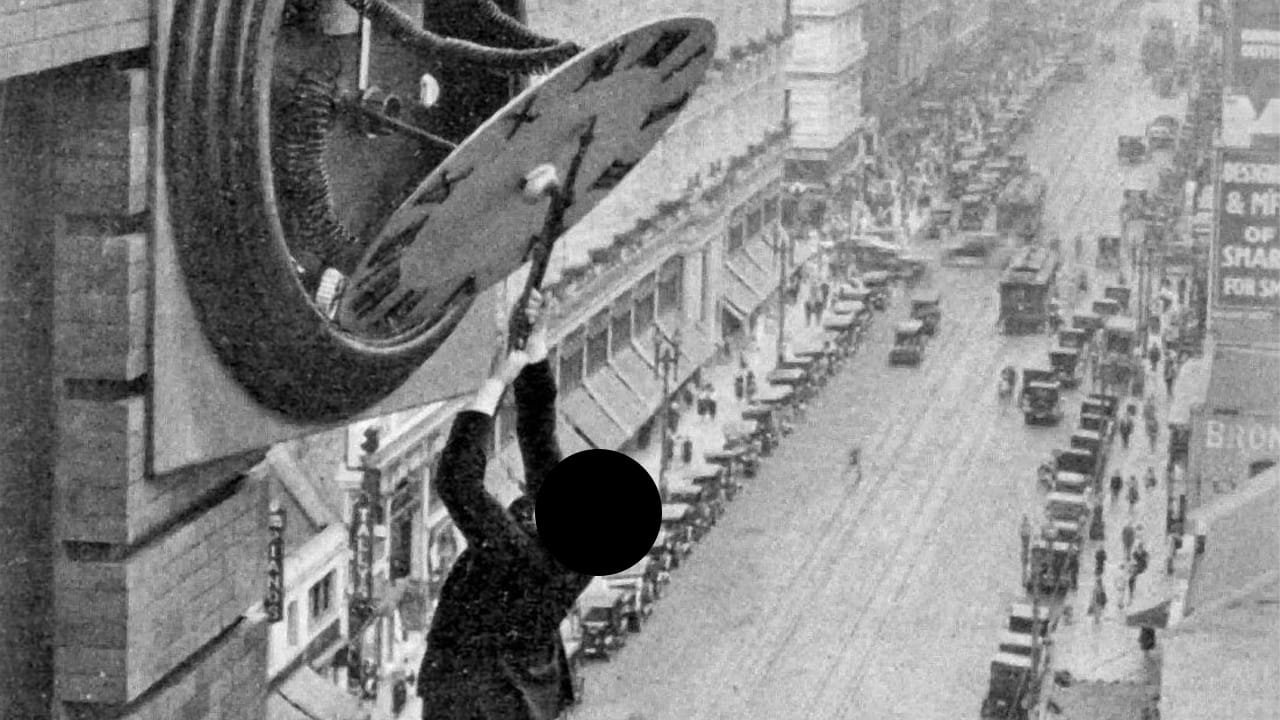
Correct Answer: Harold Lloyd
Harold Lloyd starred in Safety Last!, released in 1923. The film’s most famous scene shows him hanging from the hands of a large clock high above the street, making it one of the most iconic images of the silent film era.
4. Which silent film star was famously known as “America’s Sweetheart”?
Correct Answer: Mary Pickford
Mary Pickford was one of the biggest stars of the silent film era and became known as “America’s Sweetheart.” She was famous for playing innocent, youthful characters and was also one of the founders of United Artists, giving her major influence in early Hollywood.
5. Which silent film actress is strongly associated with the bob haircut and starred in Pandora’s Box?
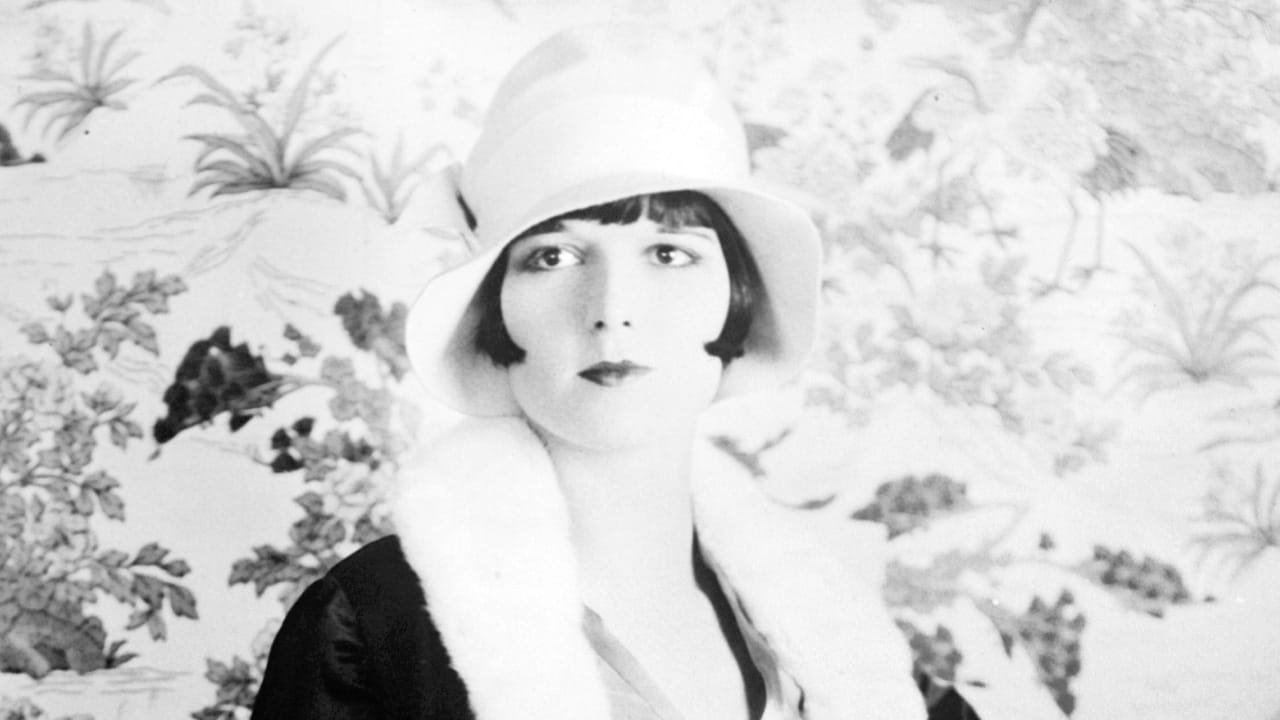
Correct Answer: Louise Brooks
Louise Brooks became one of the most recognizable stars of the late silent film era, partly because of her distinctive bob haircut. She is best remembered for starring as Lulu in Pandora’s Box, released in 1929, which later became one of the most famous silent films in European cinema.
6. Which 1925 silent film is famous for its “Odessa Steps” sequence?
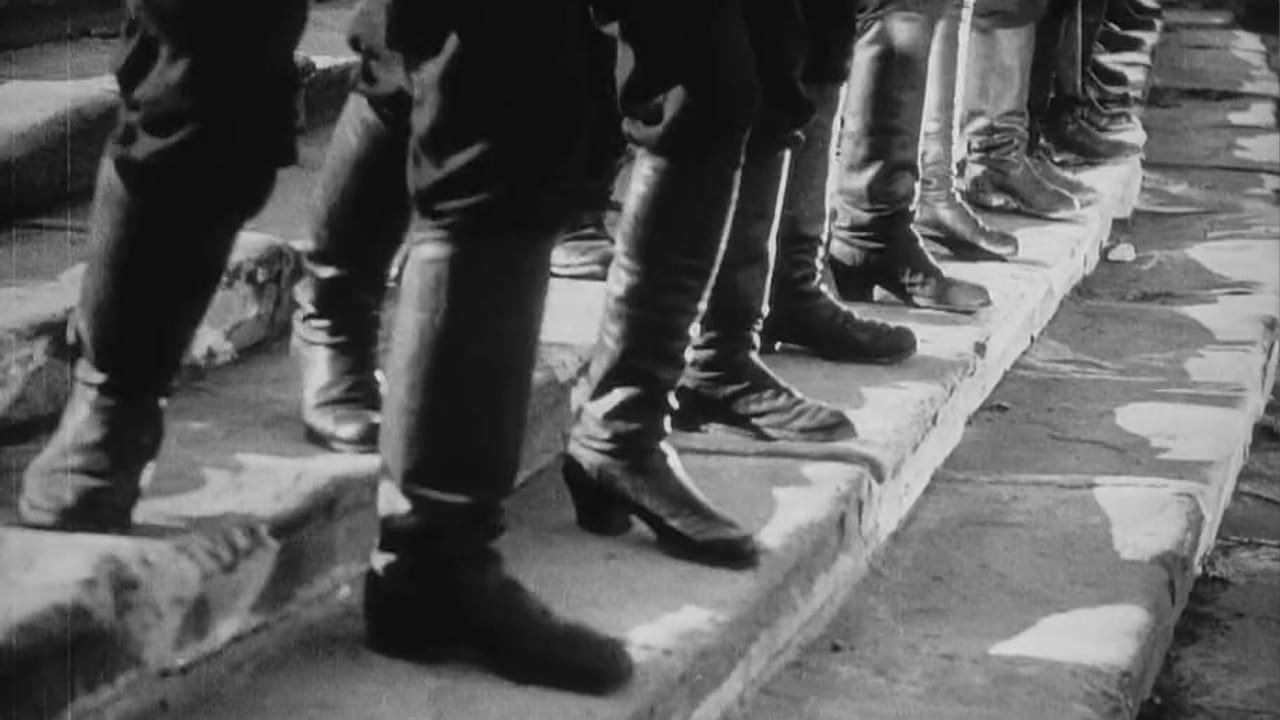
Correct Answer: Battleship Potemkin
Battleship Potemkin is a 1925 silent film directed by Sergei Eisenstein. Its “Odessa Steps” sequence became one of the most famous scenes in silent cinema, known for its dramatic editing and powerful images of panic and violence.
7. Which silent film actor starred as the Phantom in the 1925 film The Phantom of the Opera?
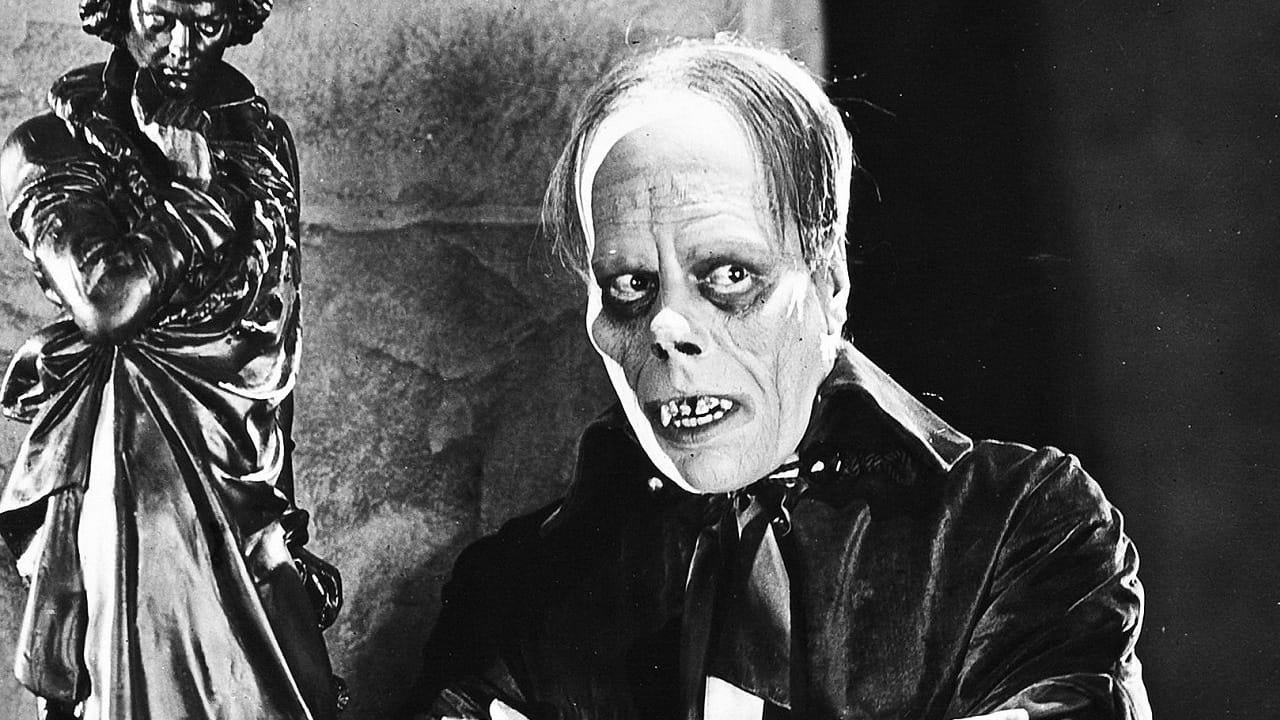
Correct Answer: Lon Chaney
Lon Chaney starred as the Phantom in the 1925 silent horror film The Phantom of the Opera. He became famous for his dramatic makeup transformations, earning the nickname “The Man of a Thousand Faces.”
8. Which Buster Keaton silent film is set during the American Civil War and features a famous runaway train chase?
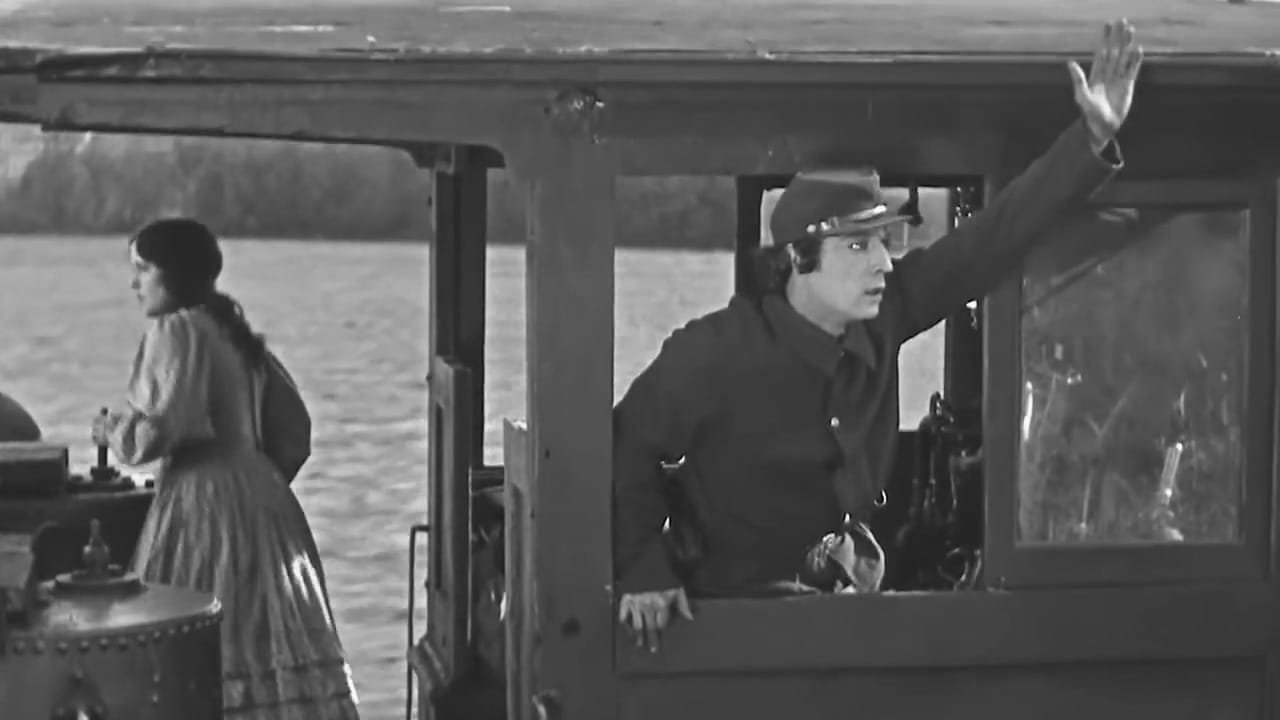
Correct Answer: The General
The General is one of Buster Keaton’s most famous silent films. Released in 1926, it is set during the American Civil War and is remembered for its large-scale train sequences, physical comedy, and impressive stunt work.
9. Which 1922 silent horror film featured Max Schreck as the vampire Count Orlok?
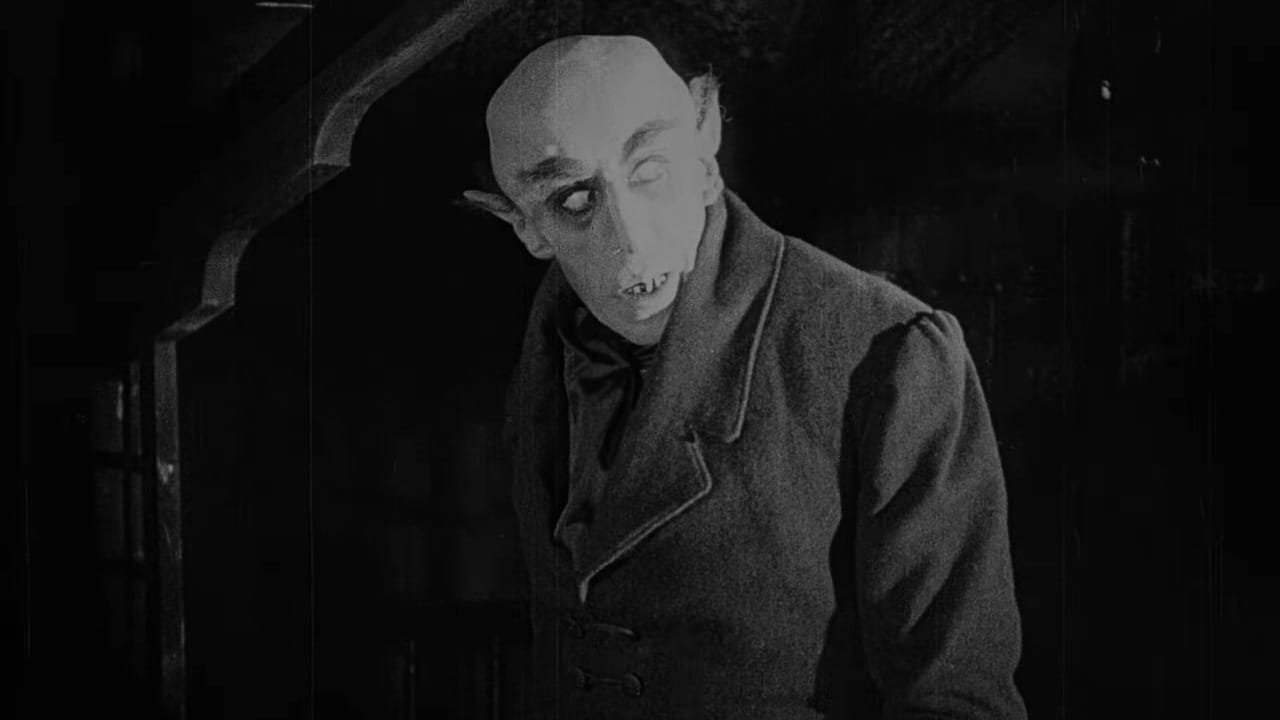
Correct Answer: Nosferatu
Nosferatu was released in 1922 and became one of the most famous horror films of the silent era. Max Schreck played Count Orlok, a vampire character clearly inspired by Dracula, though the film changed names and details because it was made without permission from Bram Stoker’s estate.
10. Which 1925 silent film did Charlie Chaplin star in as a prospector searching for fortune in the Klondike?
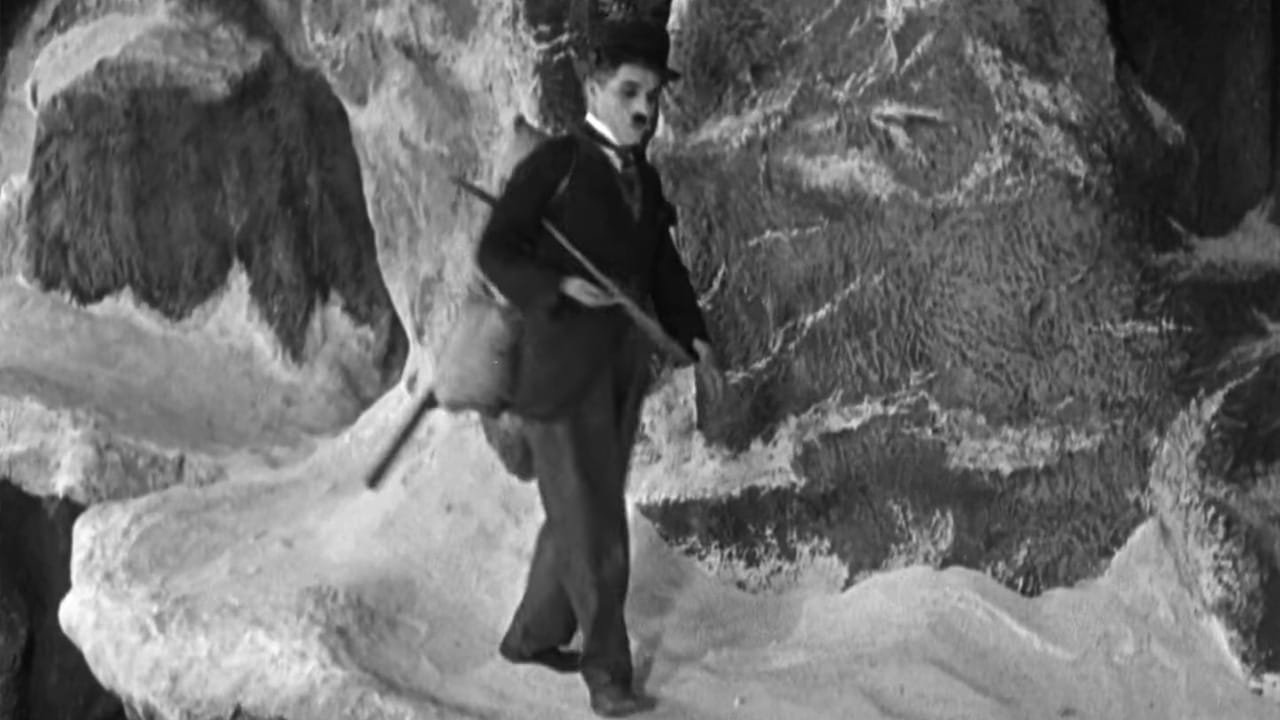
Correct Answer: The Gold Rush
Charlie Chaplin starred in The Gold Rush as a lonely prospector trying to survive in the Klondike. The film became one of his most famous silent comedies and includes some of his best-known scenes, including the famous dance with bread rolls.