









Now Reading: Roman Life True or False Quiz
-
01
Roman Life True or False Quiz

Roman Life True or False Quiz
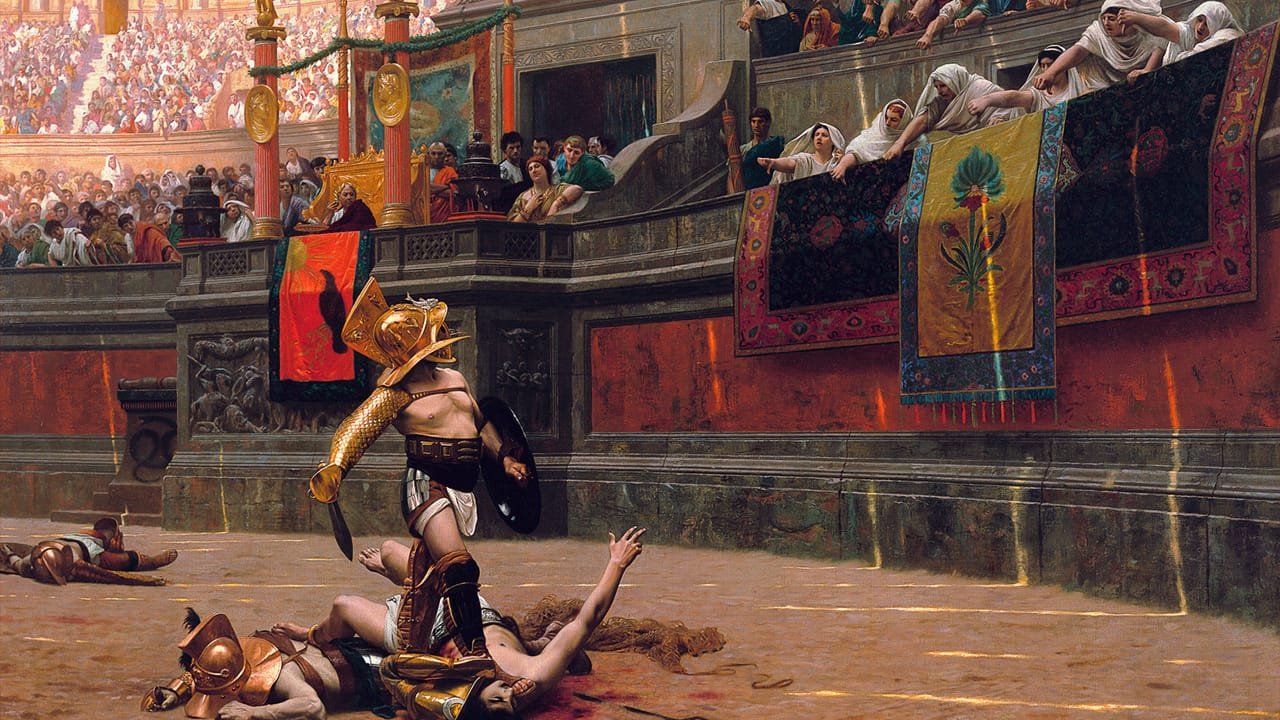
Ancient Rome was one of the most influential civilizations in history, shaping law, language, architecture, government, warfare, and daily life across much of Europe, North Africa, and the Near East. From its legendary founding in 753 BC to the fall of the Western Roman Empire in AD 476, Rome developed from a small settlement into a vast empire that left a lasting mark on the world.
But Roman history is not only about emperors, armies, and conquest. It is also about ordinary people and how they lived. What did Romans wear? Where did they live? How did they spend their free time? What was family life like? The everyday world of ancient Rome was full of customs, habits, and social rules that can seem both familiar and very strange to us today.
This Roman Life True or False Quiz is a general introductory quiz designed to test your knowledge of daily life in ancient Rome. Some statements may sound obvious, while others may challenge what you think you know about the Roman world. More Roman history quizzes will be added in the future, covering different parts of this fascinating civilization in greater detail.
1. True or False: Roman women could vote in political elections.
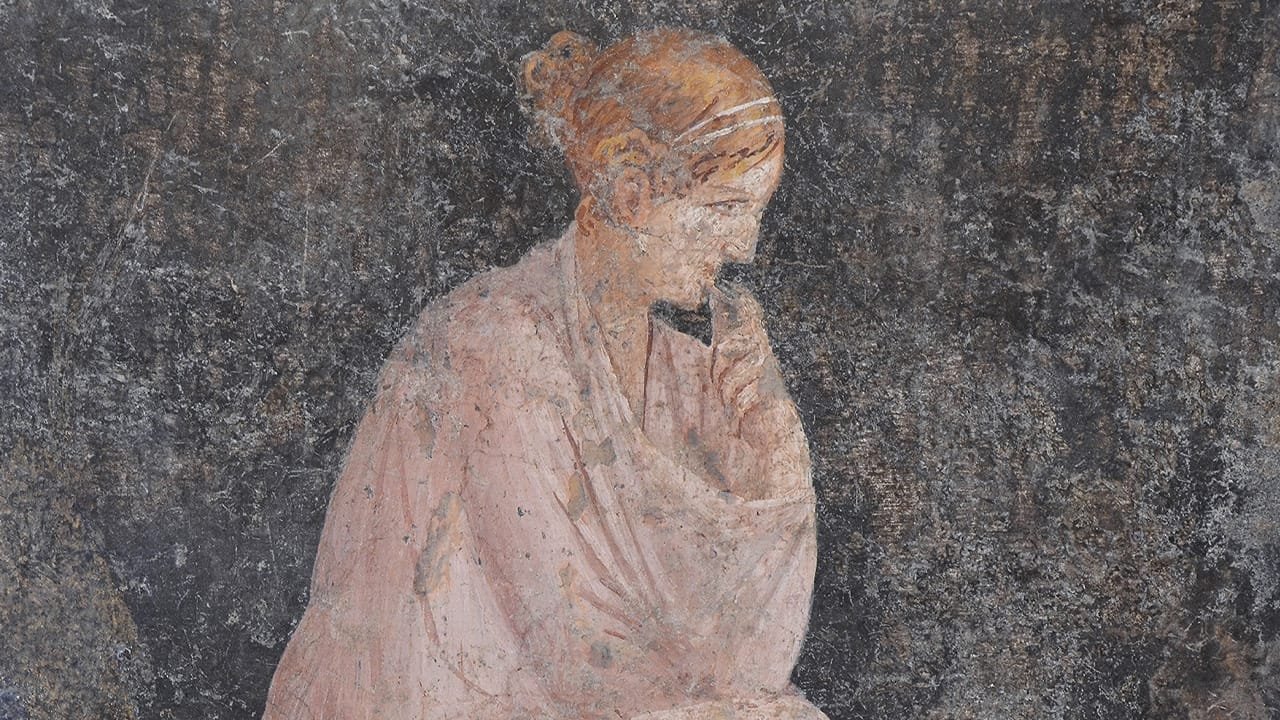 Wikimedia Commons, CC BY-SA 2.0
FALSE. Roman women could play important roles in family life, religion, business, and society, but they were not allowed to vote in political elections or hold major public office. Formal political power in Rome was mainly reserved for male citizens. However, wealthy or influential women could still affect politics indirectly through family connections, patronage, and social influence.
2. True or False: Most people in ancient Rome lived in large private houses with gardens.
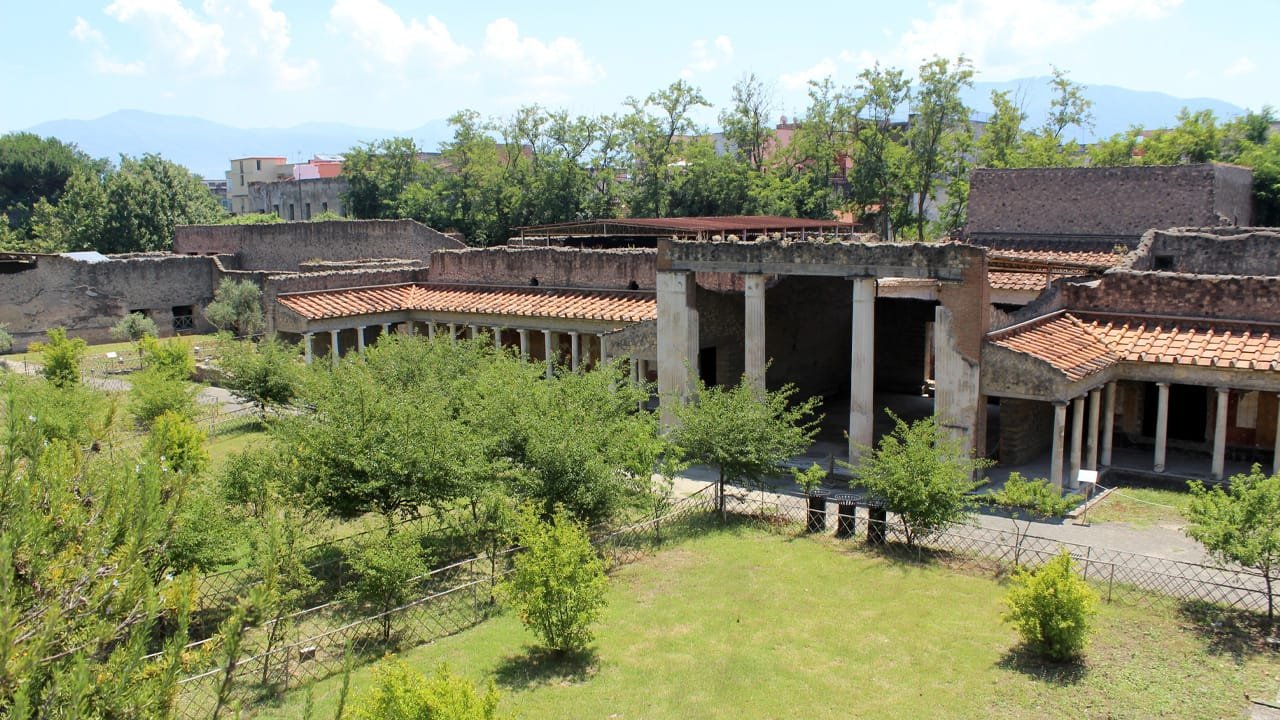 Miguel Hermoso Cuesta, CC BY-SA 4.0
FALSE. Although wealthy Romans could live in large houses called domus, most ordinary people in cities lived in crowded apartment buildings known as insulae. These buildings could be cramped, noisy, and sometimes poorly built. A private house with a garden was a sign of wealth, not the normal living situation for most Romans.
3. True or False: Roman slaves could work in many different roles, including as teachers, cooks, miners, and farm workers.
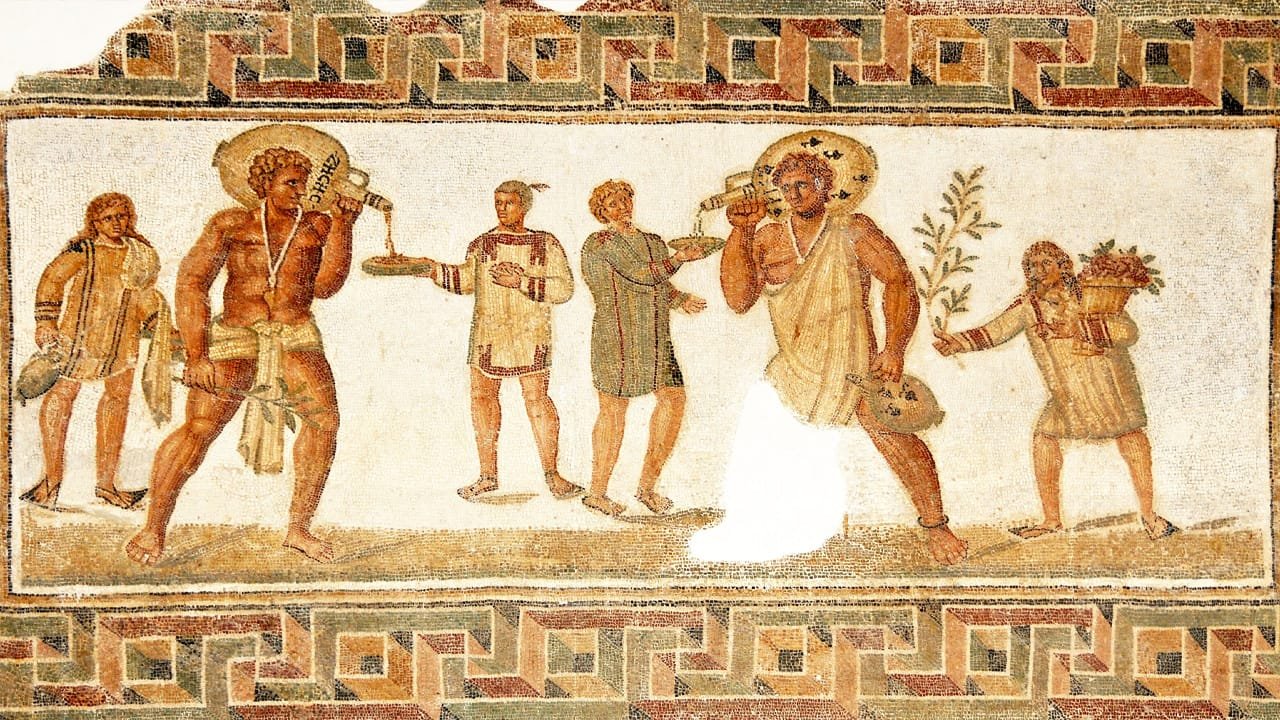 Dennis G. Jarvis, CC BY-SA 2.0
TRUE. Slavery was a major part of Roman society, and enslaved people did many different kinds of work. Some worked in homes as cooks, cleaners, or tutors, while others worked on farms, in workshops, or in dangerous places such as mines. Their lives could vary greatly depending on where they worked, but they had very few rights compared with free Roman citizens.
4. True or False: Roman children usually went to school for free, paid for by the government.
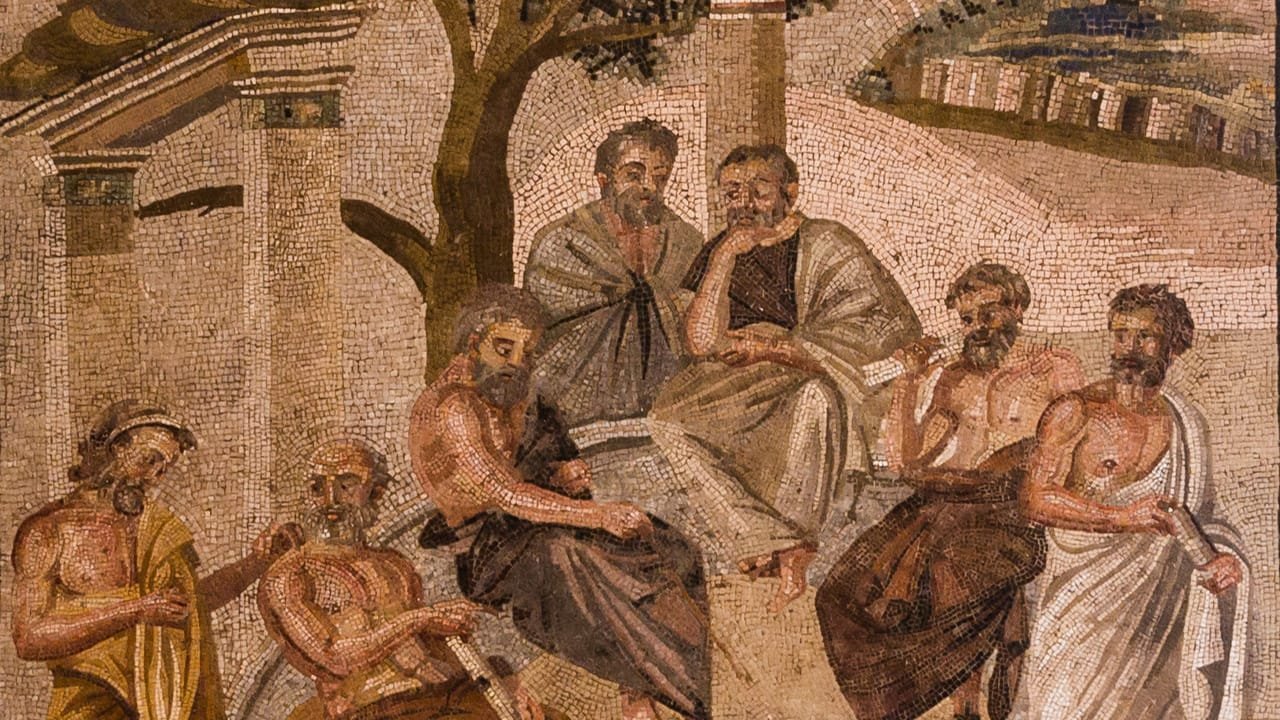
FALSE. Education in ancient Rome was not usually free for everyone. Wealthier families could pay for their children to be taught reading, writing, maths, and later subjects such as rhetoric. Poorer children often had little formal education and might start working from a young age. While some basic learning could happen at home, regular schooling was much more available to families who could afford it.
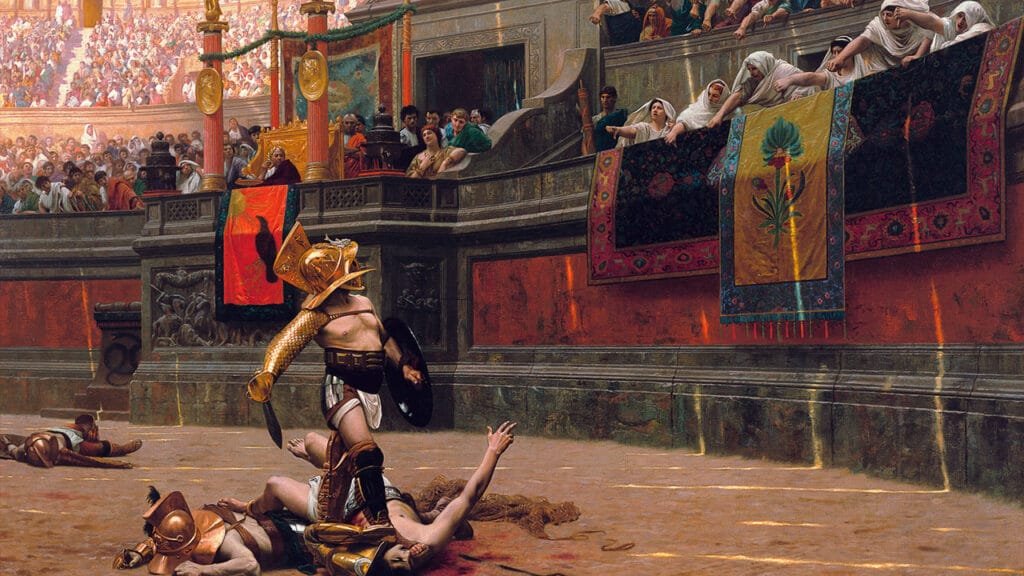
5. True or False: Gladiator fights were usually held in Roman amphitheatres.
TRUE. Gladiator fights were one of the most famous forms of entertainment in ancient Rome. They were usually held in amphitheatres, which were large open arenas designed to hold big crowds. The most famous example is the Colosseum in Rome, where spectators gathered to watch gladiator contests, animal hunts, and other public spectacles.
6. True or False: Roman public toilets were often communal, with people sitting side by side.
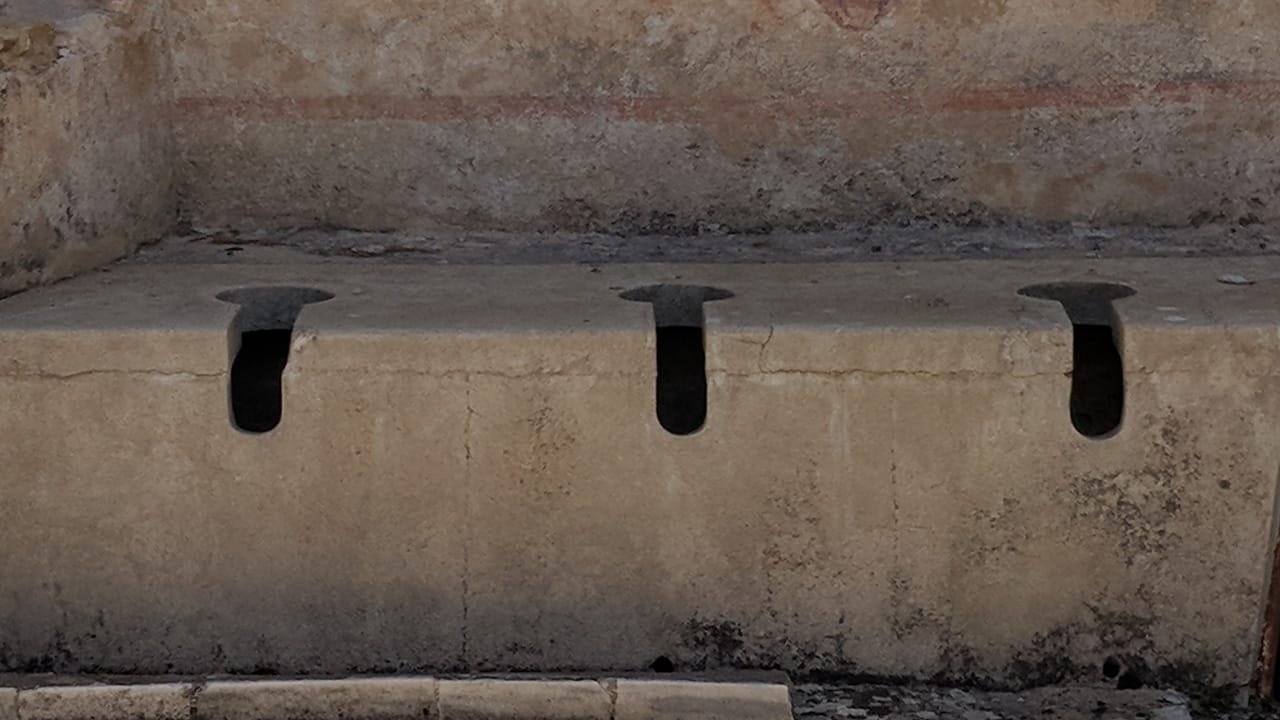 TyB, CC BY 2.0
TRUE. Roman public toilets were often much less private than modern toilets. In many places, people sat side by side on stone or wooden seats with little or no separation between them. These toilets were part of everyday urban life, especially in towns and cities, but Roman ideas about privacy were very different from what many people expect today.
7. True or False: Roman chariot races were usually held in amphitheatres.
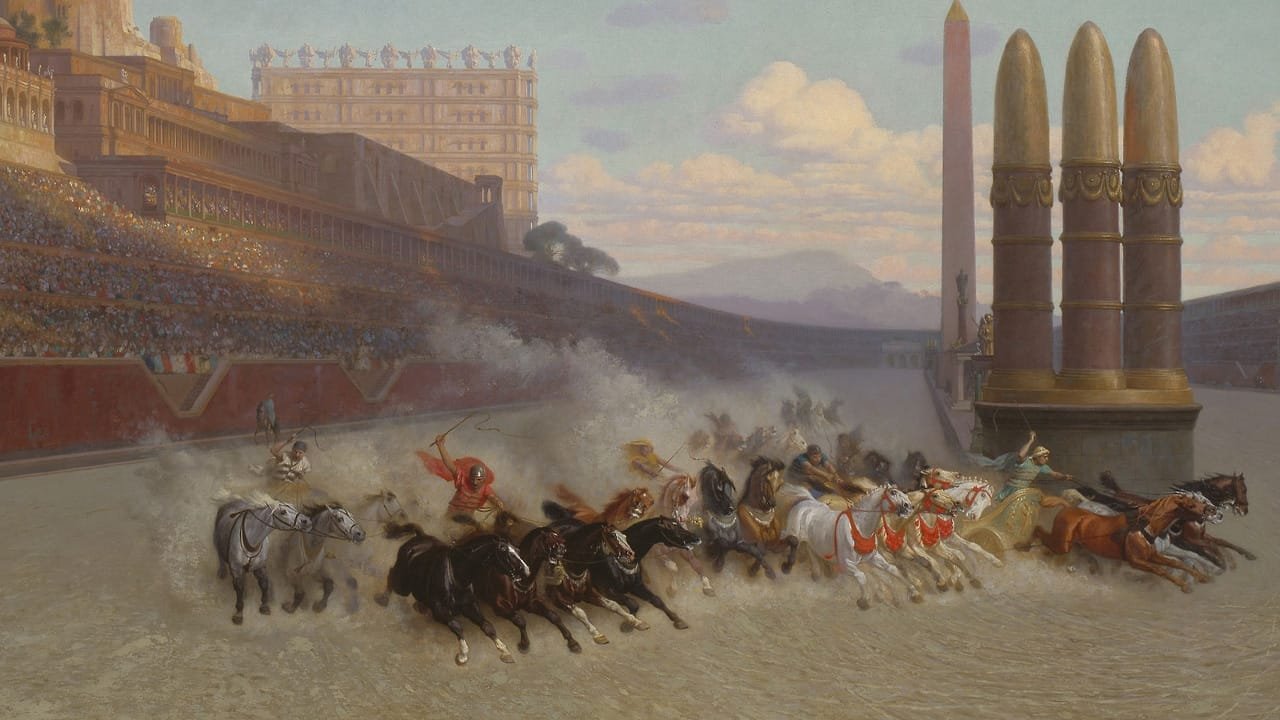
FALSE. Roman chariot races were usually held in long racing arenas called circuses, not amphitheatres. The most famous example was the Circus Maximus in Rome, which could hold huge crowds. Amphitheatres were more closely linked with gladiator fights and other arena spectacles, while circuses were specially designed for racing.
8. True or False: Most Roman citizens wore a toga every day.
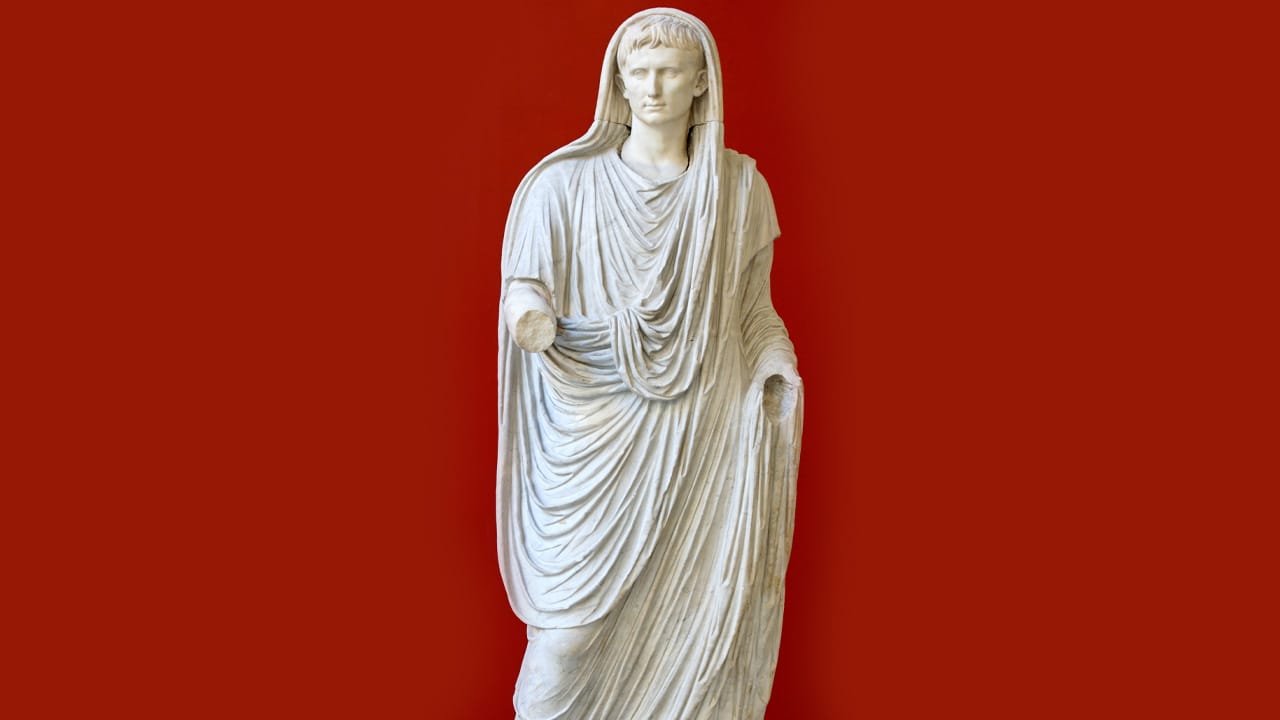
FALSE. The toga is one of the most famous symbols of ancient Rome, but it was not usually worn as everyday clothing. Togas were large, heavy, and not very practical for daily work. Most Romans wore simpler clothing such as tunics for ordinary life, while the toga was more often used for formal occasions, public events, or important ceremonies.
9. True or False: Roman roads were built only for trade and not for the army.
 Livioandronico2013, CC BY-SA 4.0
FALSE. Roman roads were important for trade, travel, and communication, but they were also extremely useful for the army. Good roads allowed Roman soldiers to move quickly across the empire, helping Rome defend its territory and respond to rebellions. Their roads became one of the most famous features of Roman engineering.
10. True or False: Many ordinary Romans bought ready-made food from street stalls or small food shops.
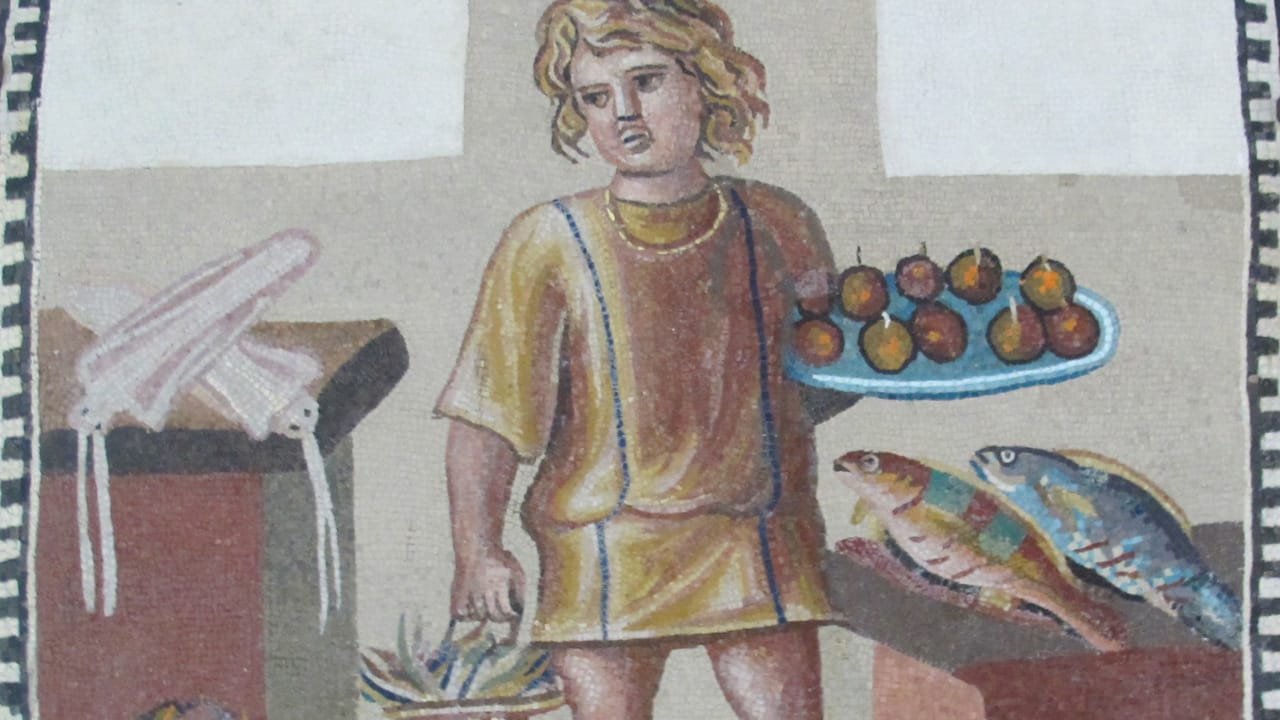 Sailko, CC BY-SA 3.0
TRUE. Many ordinary Romans, especially those living in crowded apartment buildings, did not have proper kitchens at home. Instead, they often bought ready-made food from street stalls, taverns, or small food shops known as thermopolia. These places sold simple meals and snacks, making them an important part of daily life in Roman towns and cities.