Now Reading: Identify the Historical Figure from a Photograph Quiz
-
01
Identify the Historical Figure from a Photograph Quiz

Identify the Historical Figure from a Photograph Quiz
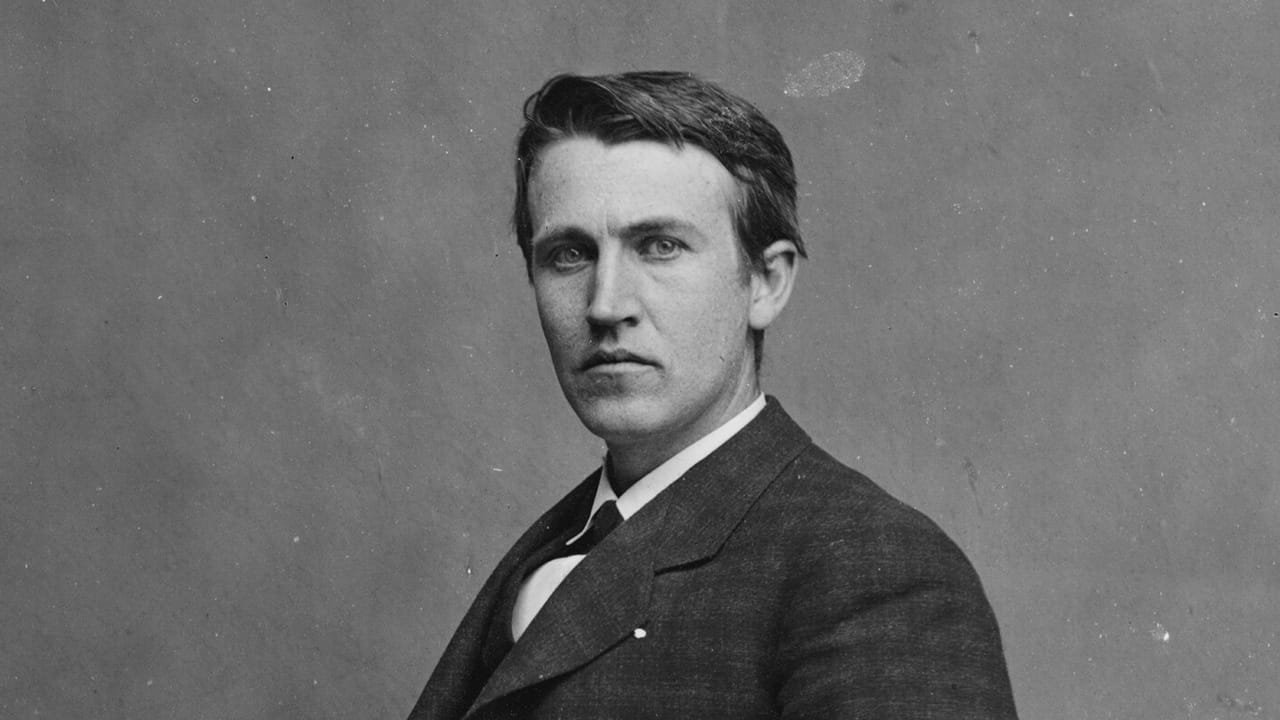
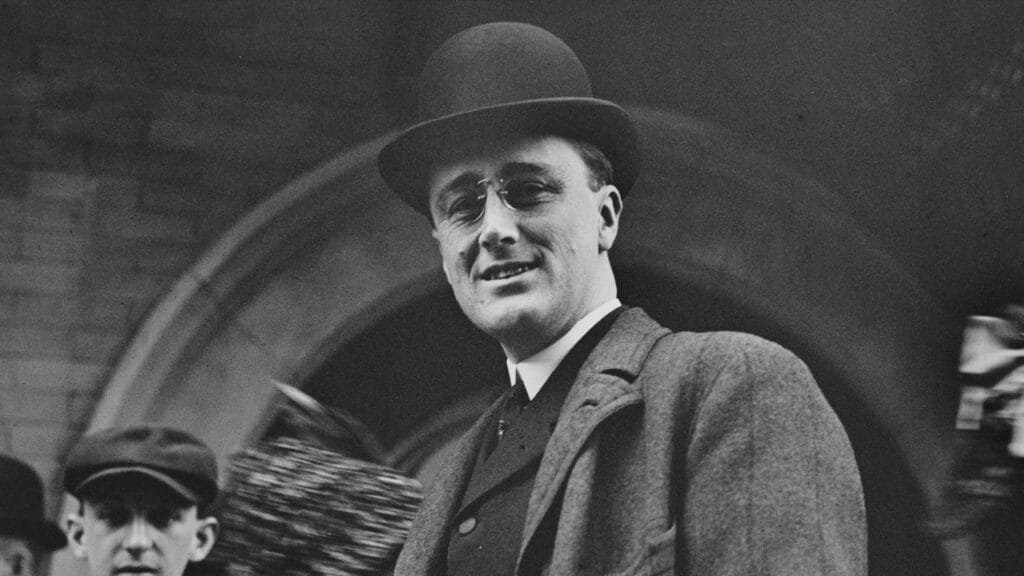
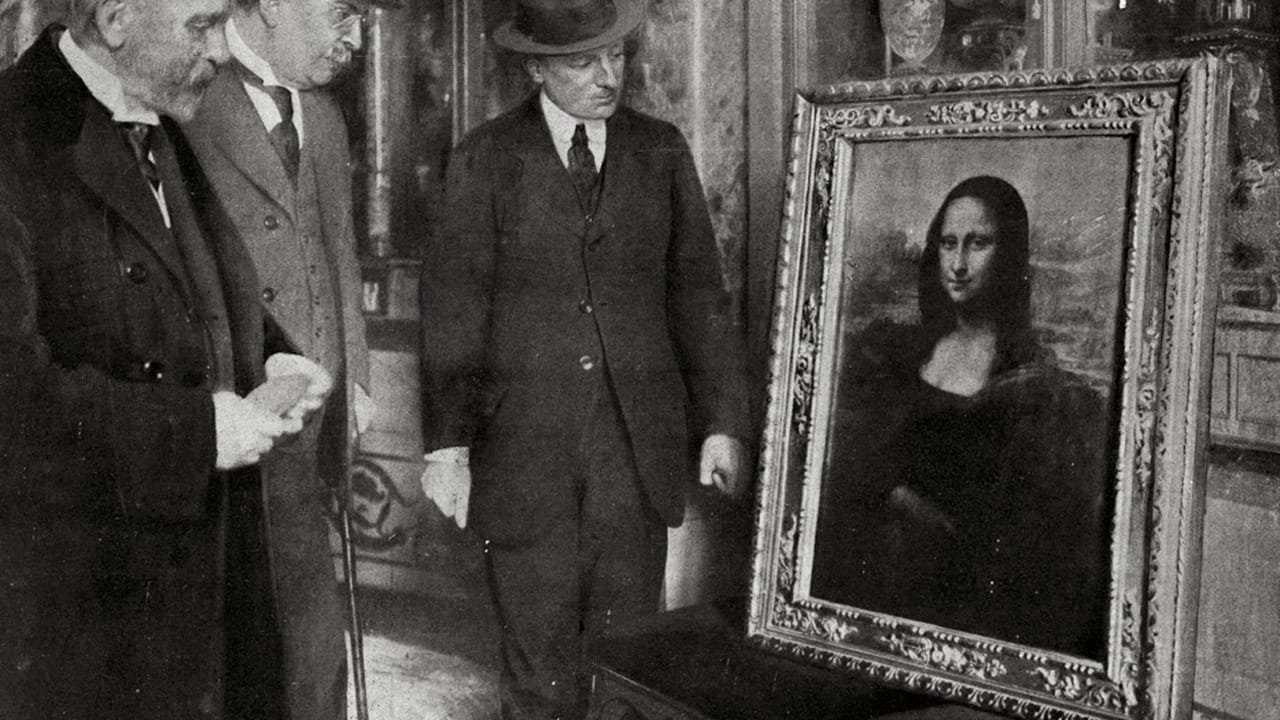
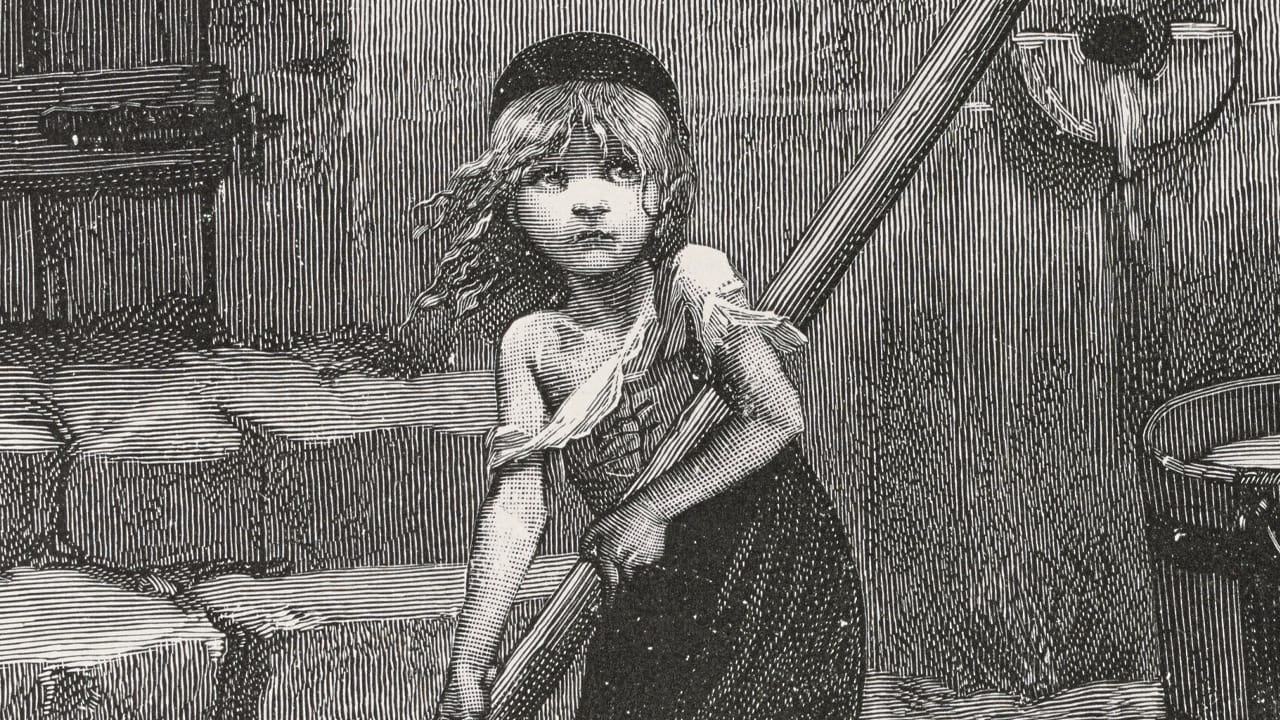
Think you can identify a famous historical figure from a photograph alone? This Identify the Historical Figure from a Photograph Quiz will test how well you recognize some of the most important, influential, and memorable people from history.
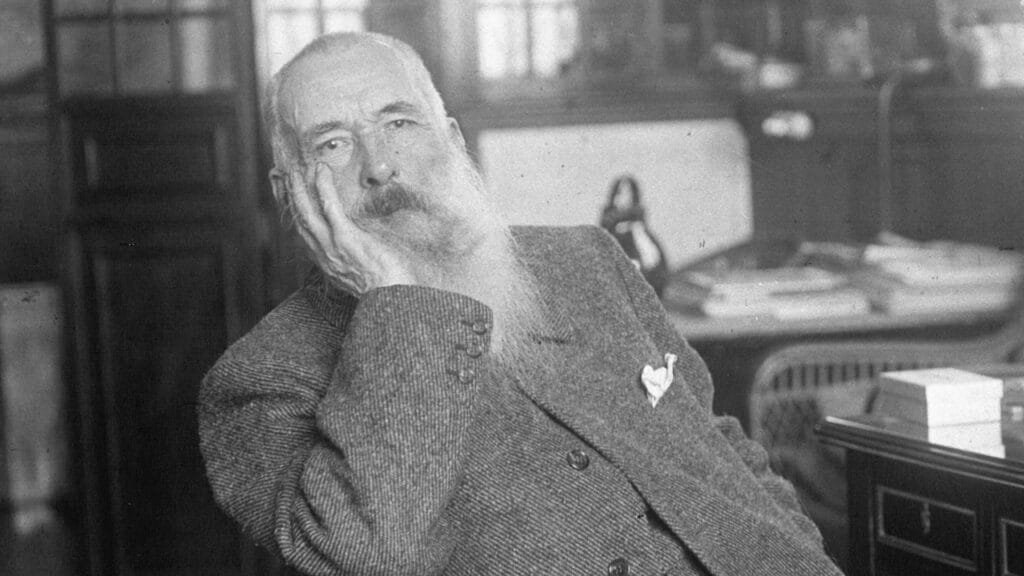
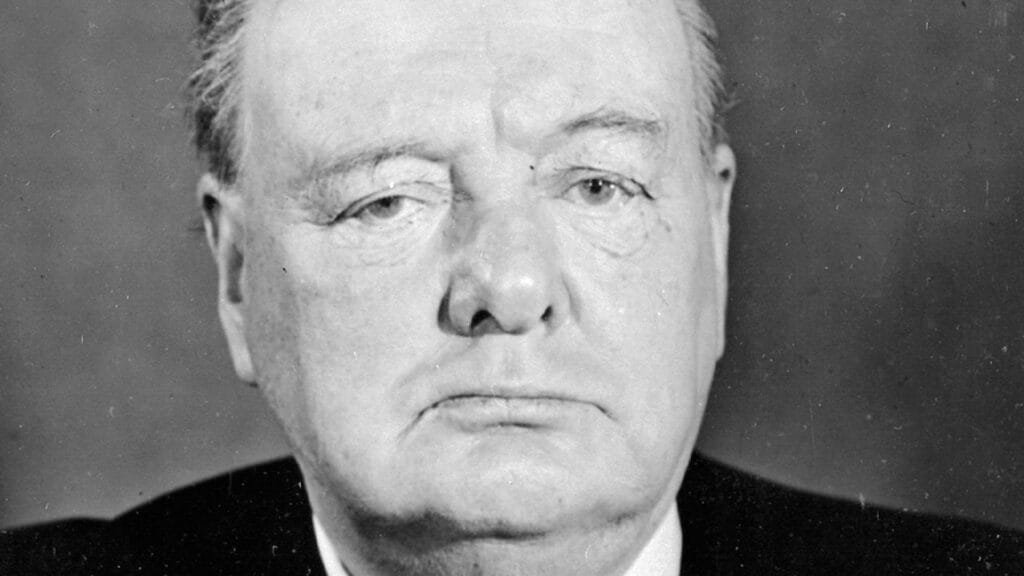
In this quiz, you will be shown a series of photographs of well-known historical figures from different periods, countries, and fields. Some are political leaders, while others are writers, artists, scientists, entertainers, activists, or sporting icons. Your challenge is to look carefully at each image and choose the correct person from the options given.
This history picture quiz is designed for casual history fan who enjoy learning about famous people from the past. You do not need to be an expert, but a good eye for familiar faces will definitely help. Along the way, you may recognize figures connected to world politics, literature, art, film, science, sport, and major social movements.
Once you answer each question, you will also get a short explanation about the person shown in the photograph. So even if you miss a few, you can still learn something new!
Take the quiz and see how many famous historical figures you can identify from their photographs!
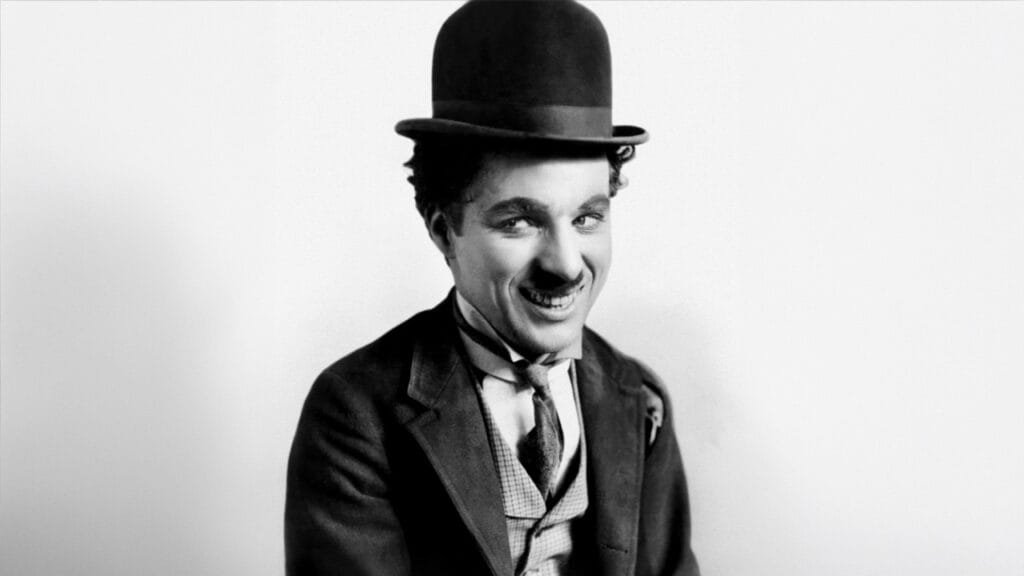
1. Who is this famous Silent Film star?
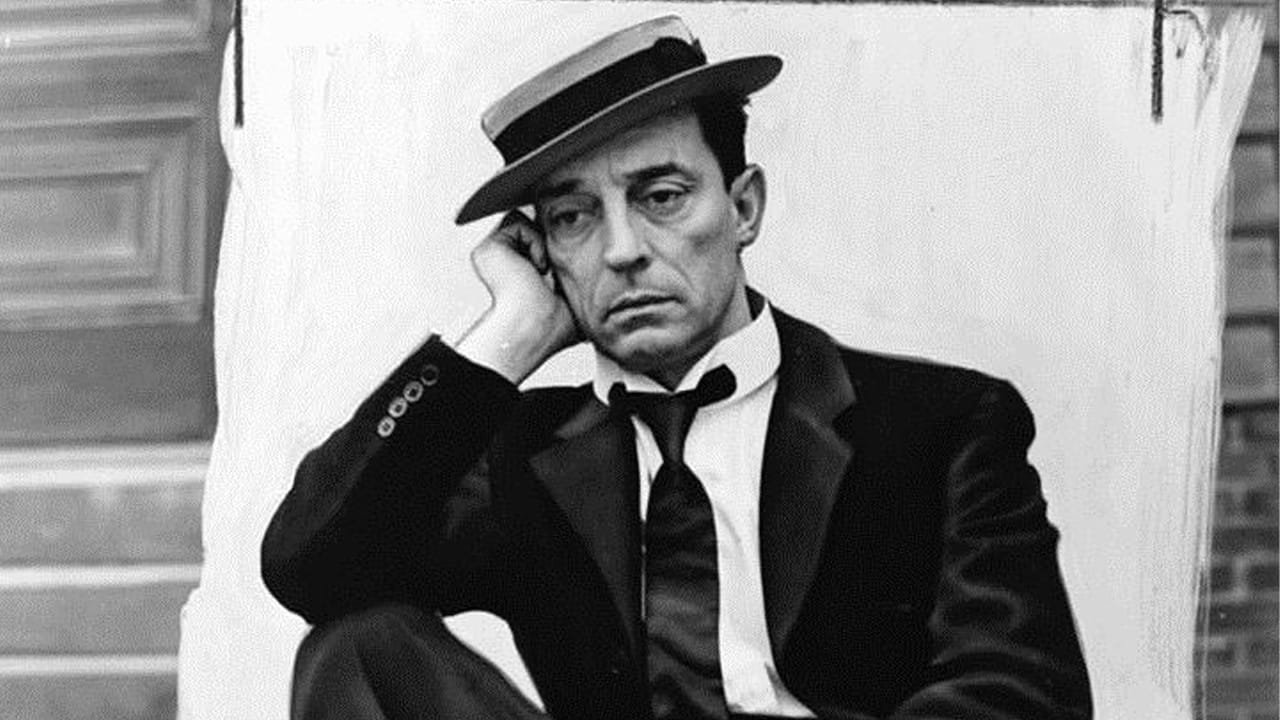
Correct Answer: Buster Keaton
Buster Keaton was an American actor, comedian, filmmaker, and stunt performer who became one of the biggest stars of the silent film era. He was famous for his deadpan expression, earning him the nickname “The Great Stone Face.” Keaton starred in classic silent comedies such as Sherlock Jr., The General, and Steamboat Bill, Jr. His films often featured elaborate physical stunts, clever visual jokes, and carefully planned action scenes. Today, he is remembered as one of the greatest comedians and filmmakers in early cinema history.
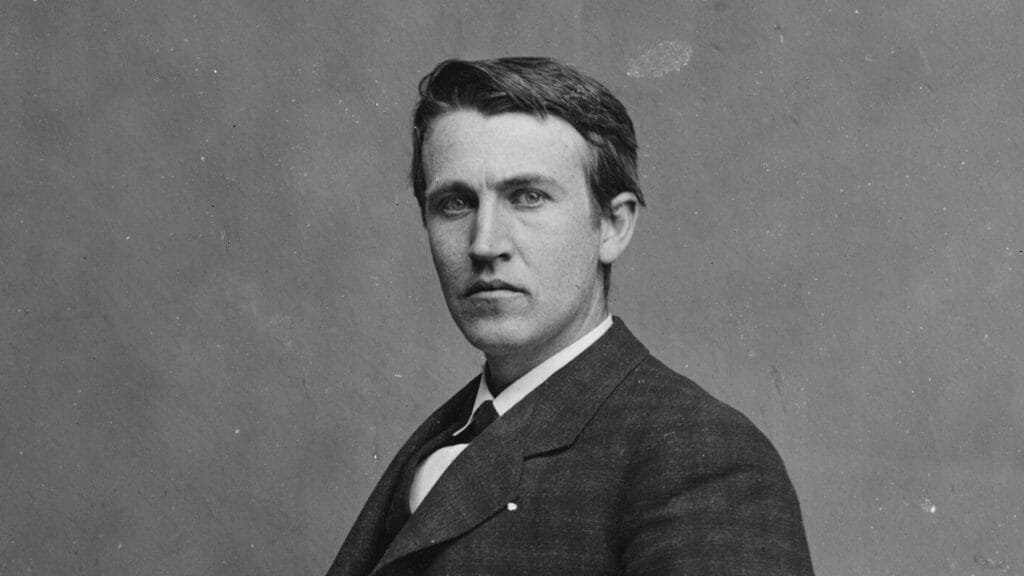
2. Who is this famous inventor?
Correct Answer: Thomas Edison
Thomas Edison was an American inventor and businessman who became one of the most famous inventors in history. He is best known for helping develop the practical electric light bulb, the phonograph, and early motion picture technology.
Edison held more than 1,000 patents and ran research laboratories where teams worked on new inventions and improvements. Although he did not invent every technology he is associated with from scratch, he played a major role in making several important inventions practical and commercially successful.
3. Who is this 19th Century Englishman?
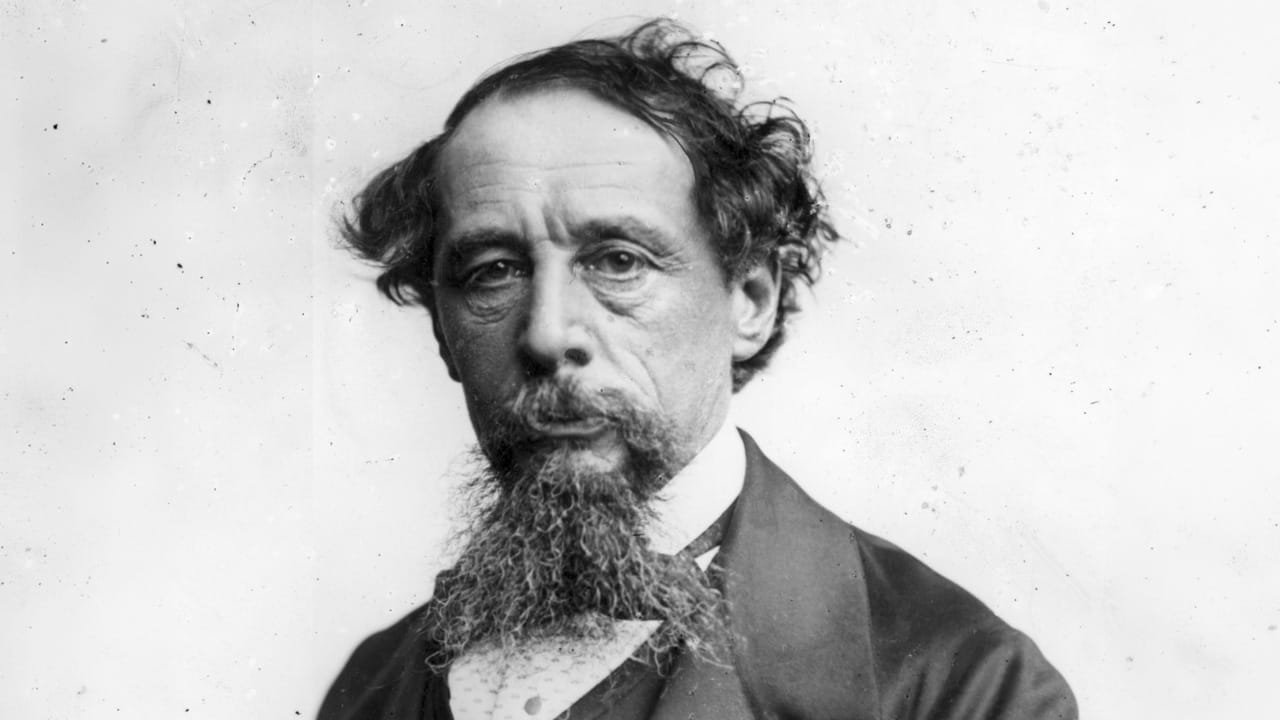
Correct Answer: Charles Dickens
Charles Dickens was an English writer and social critic who became one of the most famous novelists of the Victorian era. He is best known for creating memorable characters and stories that highlighted poverty, class, childhood hardship, and social injustice in 19th-century Britain. His most famous works include Oliver Twist, A Christmas Carol, David Copperfield, Bleak House, and Great Expectations. Dickens’ novels were widely read during his lifetime and remain some of the most important works in English literature today.
4. Who is this footballer?
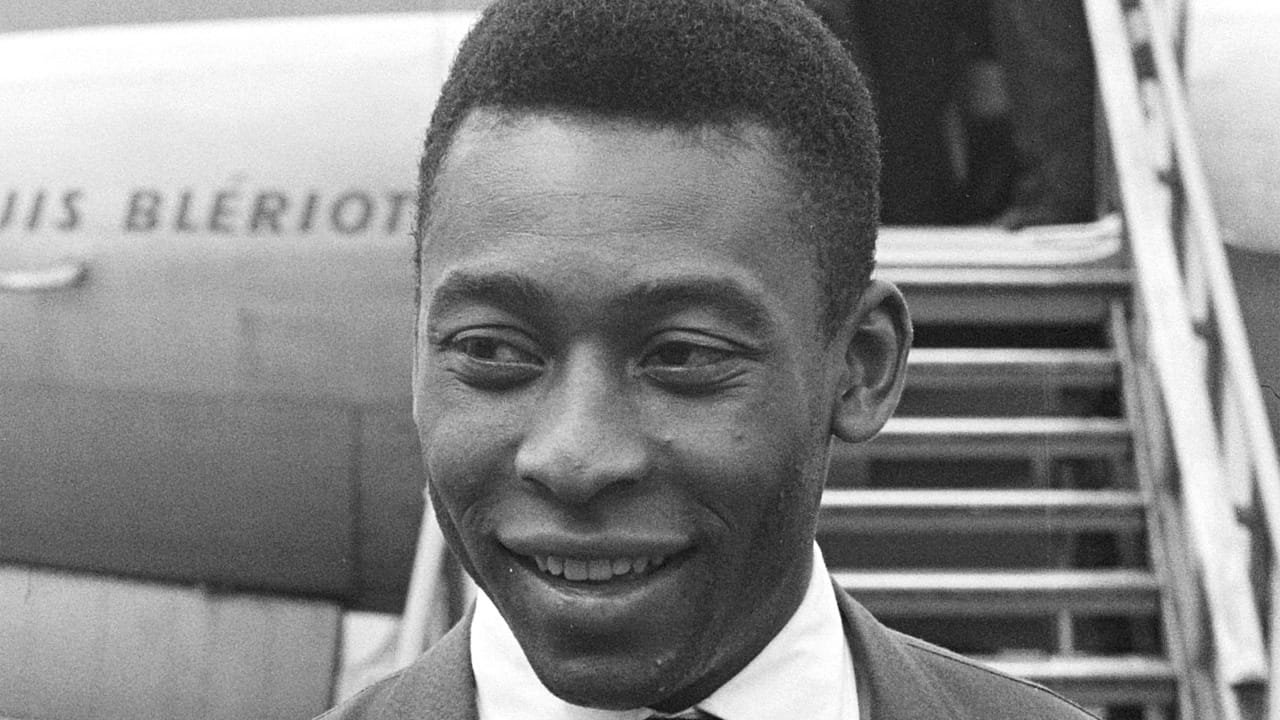
Correct Answer: Pelé
Pelé was a Brazilian footballer widely regarded as one of the greatest players in the history of the sport. Born Edson Arantes do Nascimento, he became known around the world by his nickname, Pelé. He helped Brazil win the FIFA World Cup three times, in 1958, 1962, and 1970, making him the only player to achieve this. Known for his skill, speed, goalscoring, and creativity, Pelé became a global sporting icon and helped popularize football around the world.
5. Who is this historical figure?
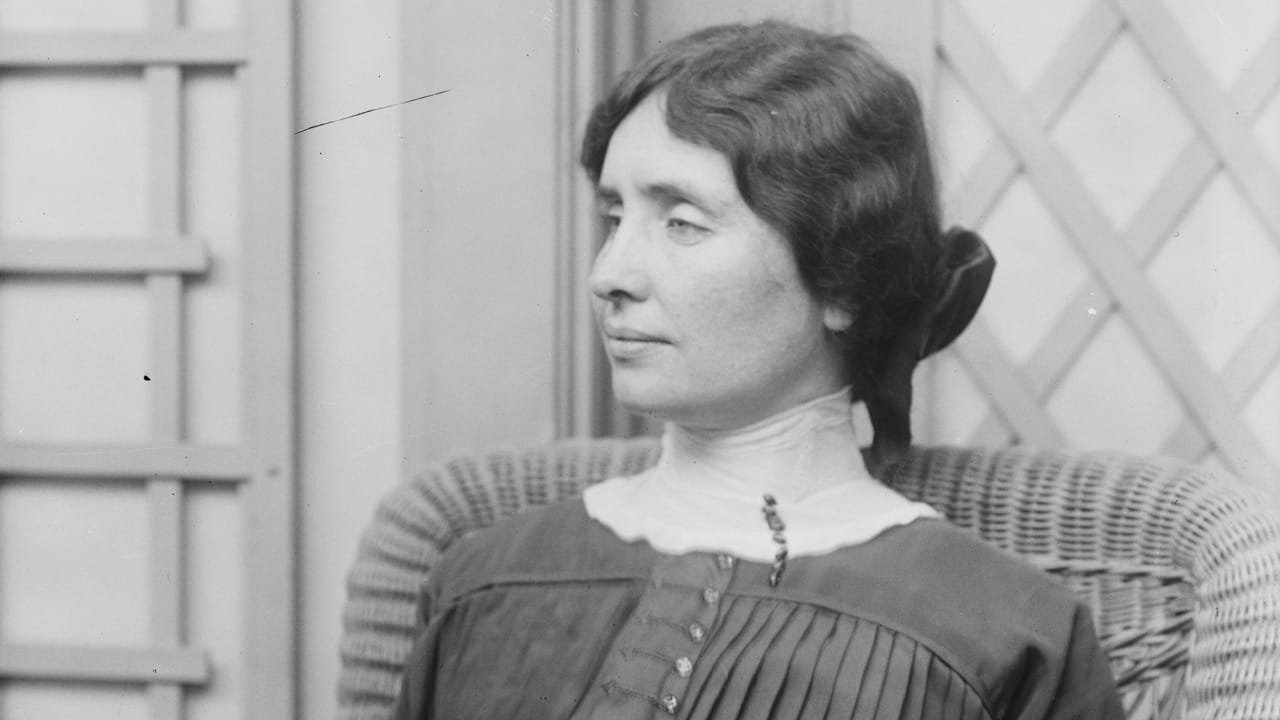
Correct Answer: Helen Keller
Helen Keller was an American author, lecturer, and disability rights advocate. After an illness as a young child, she became both deaf and blind, but she later learned to communicate with the help of her teacher, Anne Sullivan. Keller became the first deafblind person in the United States to earn a Bachelor of Arts degree. She wrote books, gave speeches, and campaigned for disability rights, education, women’s suffrage, and social reform.
6. Who is this famous artist?
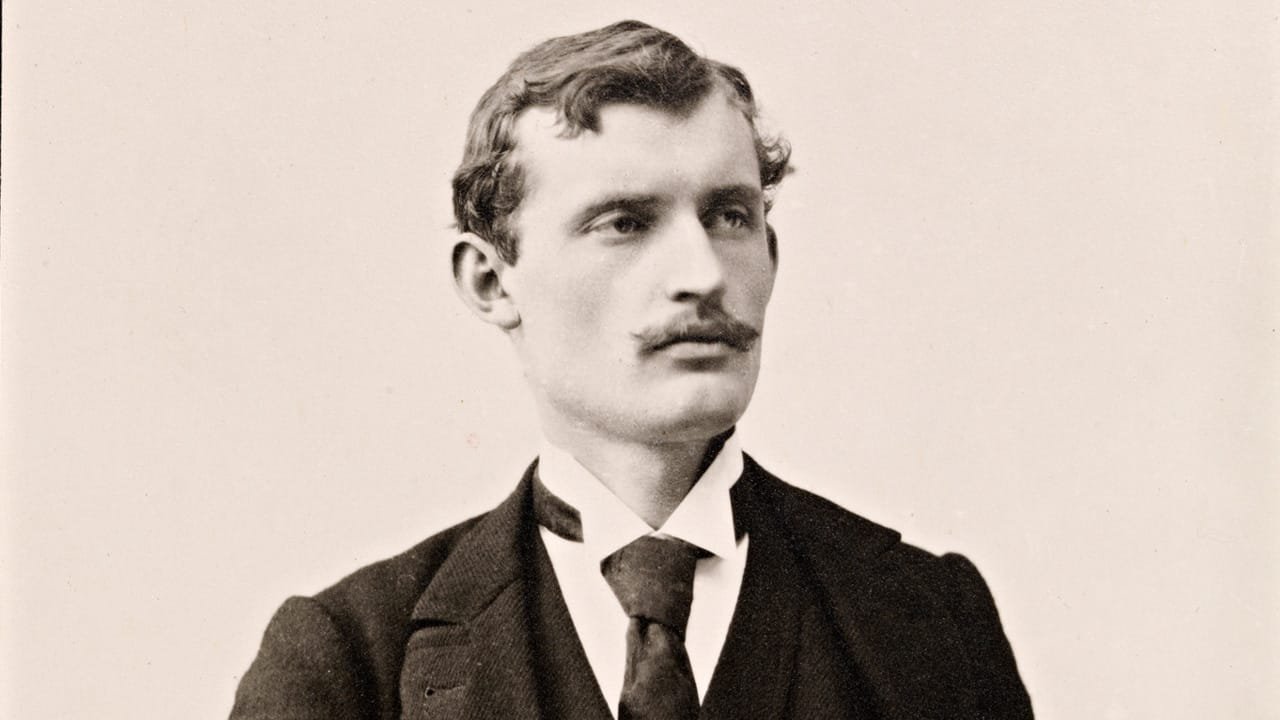
Correct Answer: Edvard Munch
Edvard Munch was a Norwegian painter and printmaker best known for creating The Scream, one of the most famous images in art history. His work often explored themes such as anxiety, loneliness, illness, love, and death.
Munch was an important figure in modern art and helped influence the development of Expressionism. Rather than simply painting realistic scenes, he used strong colors, bold lines, and emotional imagery to show inner feelings and psychological tension.
7. Who is this 19th Century politician?
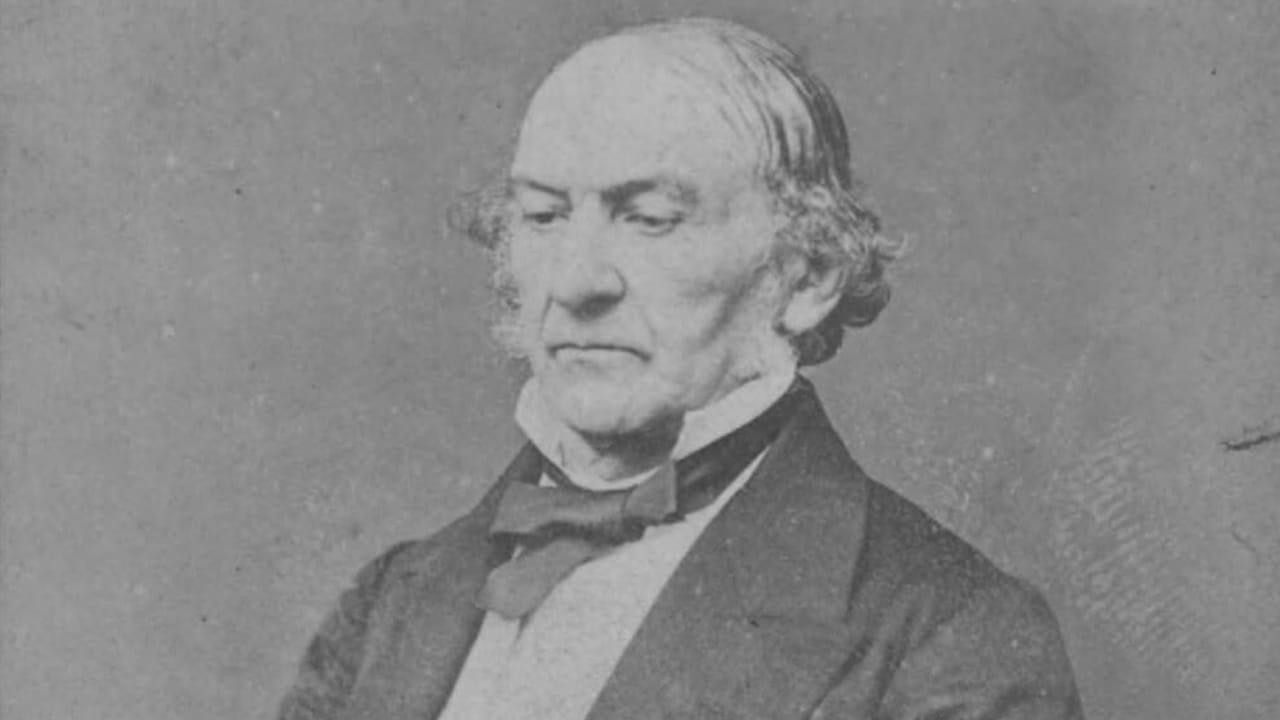
Correct Answer: William Gladstone
William Ewart Gladstone was a British statesman who served as Prime Minister of the United Kingdom four times during the 19th century. He was one of the leading figures of the Liberal Party and one of the most important politicians of the Victorian era.
Gladstone supported political reform, free trade, and efforts to expand voting rights. He is also closely associated with the issue of Irish Home Rule, which aimed to give Ireland more control over its own affairs while remaining within the United Kingdom. His long rivalry with Conservative leader Benjamin Disraeli became one of the defining political contests of Victorian Britain.
8. Who is this American Old West figure?
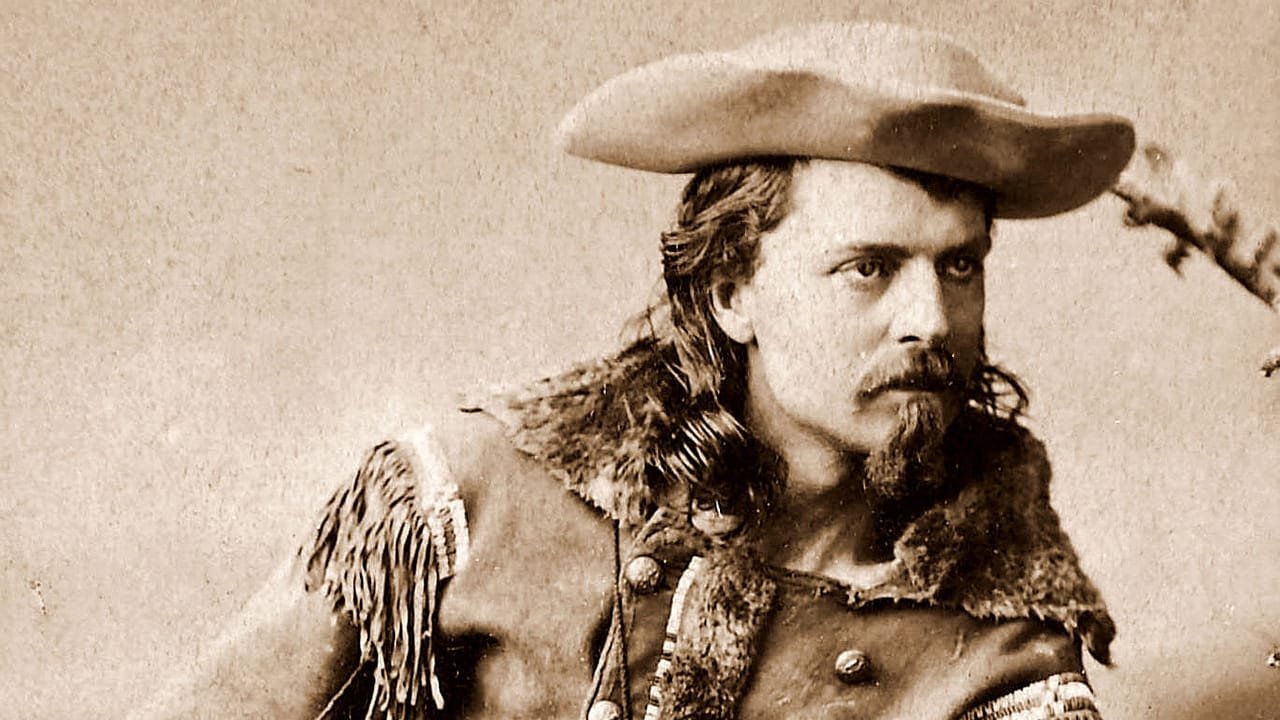
Correct Answer: Buffalo Bill
Buffalo Bill was the nickname of William F. Cody, one of the most famous figures of the American Old West. He worked as a scout, soldier, and bison hunter before becoming a major showman. His nickname came from his work supplying buffalo meat to railroad workers.
Cody later became internationally famous through Buffalo Bill’s Wild West, a touring show that recreated scenes of frontier life with cowboys, horse riders, sharpshooters, and Native American performers. His shows played a major role in shaping the popular image of the “Wild West” around the world.
9. Who is this German historical figure?
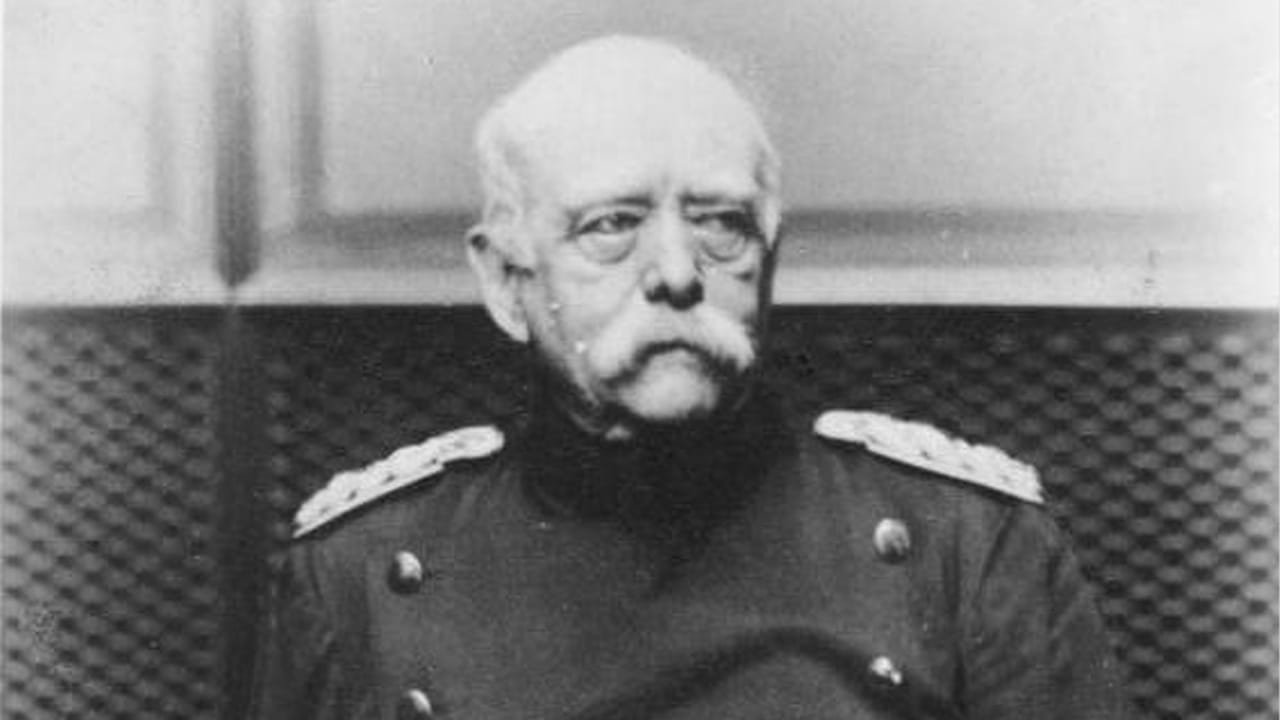 Bundesarchiv, Bild 183-R13234 / CC-BY-SA 3.0
Correct Answer: Otto von Bismarck
Otto von Bismarck was a Prussian statesman who became the first Chancellor of the German Empire. He played a central role in the unification of Germany in 1871, using diplomacy, political strategy, and war to bring many German states under Prussian leadership.
Bismarck was known for his policy of Realpolitik, which focused on practical political goals rather than ideology. As chancellor, he helped build the new German Empire and introduced major domestic policies, including early forms of social insurance. He remains one of the most important political figures in 19th-century European history.
10. Who is this American historical figure?
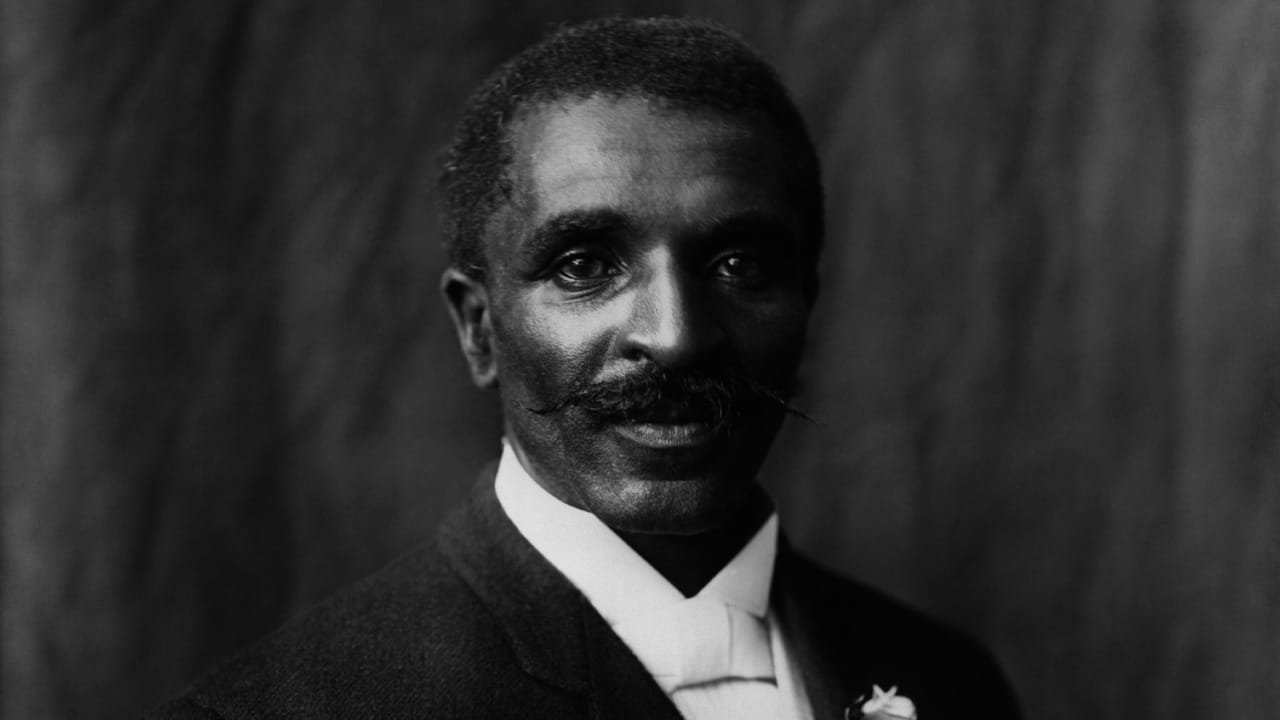
Correct Answer: George Washington Carver
George Washington Carver was an American agricultural scientist and inventor who became famous for his work with crops such as peanuts, sweet potatoes, and soybeans. Born into slavery during the American Civil War, he later became one of the most respected Black scientists in American history. Carver worked at the Tuskegee Institute and encouraged farmers, especially in the South, to rotate crops instead of relying only on cotton. His research helped improve soil health and gave farmers new ways to use alternative crops. He is best remembered for promoting the peanut, though he did not invent peanut butter, as is sometimes claimed.
Didn't get 10? Play again and try to get the perfect score!