Now Reading: Identify the Artist from a Photograph Quiz
-
01
Identify the Artist from a Photograph Quiz

Identify the Artist from a Photograph Quiz
Artists are often remembered for the works they created, but their own faces can be just as fascinating. Some became famous during their lifetimes, while others were only fully appreciated after death. Some lived dramatic, difficult lives, while others became celebrated public figures whose images were widely photographed, painted, or reproduced. Behind every great painting, sketch, portrait, or illustration is a real person with a story, a style, and a place in art history.
This Identify the Artist from a Photograph Quiz challenges you to recognize famous artists from their image rather than from their artwork. It is a different kind of art history quiz, testing how well you know the people behind the masterpieces. You may know their paintings, but can you identify the artist when you are shown a photograph or portrait of them?
The quiz includes artists from different countries, centuries, and artistic movements. Some are associated with bold colour and expressive brushwork, while others are known for dreamlike imagery, dramatic historical scenes, decorative patterns, modern portraits, quiet realism, or memorable illustrations of everyday life. Together, they represent a wide range of styles, personalities, and moments in the history of art.
As you work through the quiz, you will come across artists connected with movements such as Impressionism, Post-Impressionism, Romanticism, Surrealism, modern art, and 20th-century illustration. Some faces may be instantly recognizable, while others may be more challenging. Either way, each question is a chance to connect the artist’s appearance with their life, career, and creative legacy.
Take the quiz and see how many famous artists you can identify from a photo!
1. Who is this Italian artist?
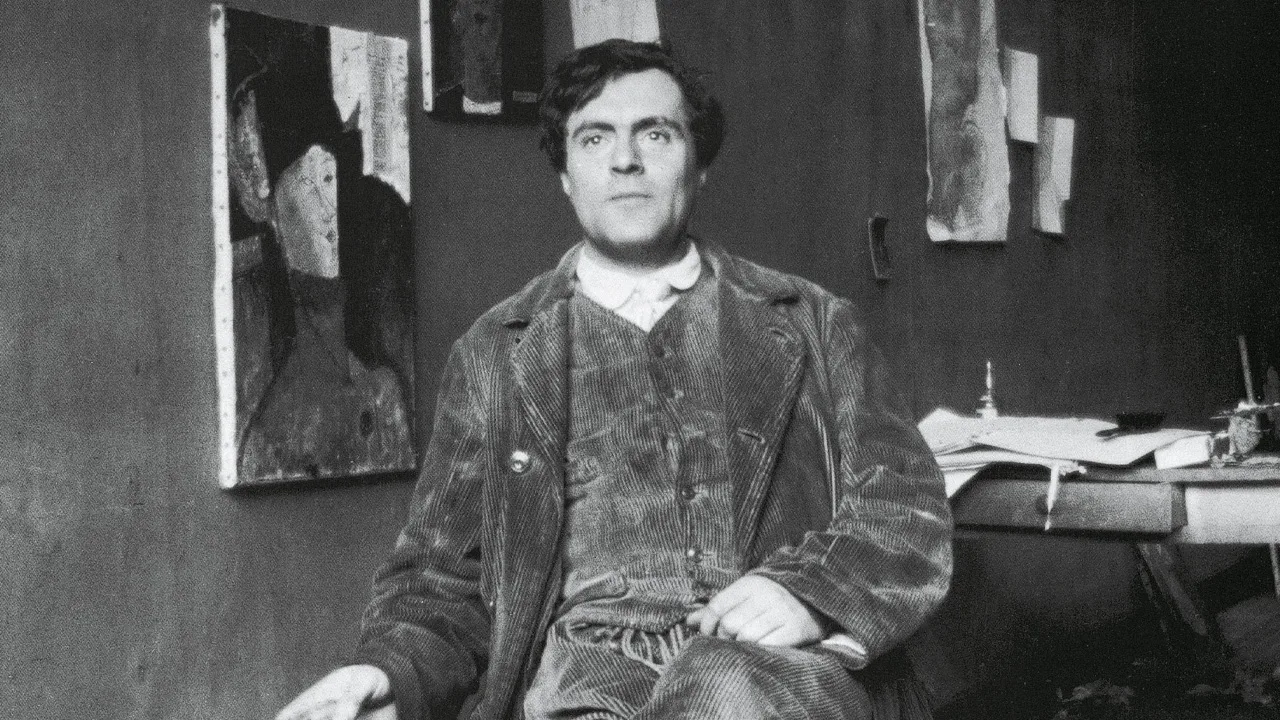
Correct Answer: Amedeo Modigliani
Amedeo Modigliani is instantly recognizable for his elegant portraits with long necks, narrow faces, and almond-shaped eyes. Born in Italy, he spent much of his career in Paris, where he lived among the artists and writers of the city’s bohemian scene. His work often feels calm and graceful on the surface, but it also carries a sense of sadness and intimacy. Modigliani struggled with poverty and poor health during his life, dying at just 35, but his portraits and nudes later became some of the most admired works of early modern art.
2. Which famous artist is shown here at the age of 19?
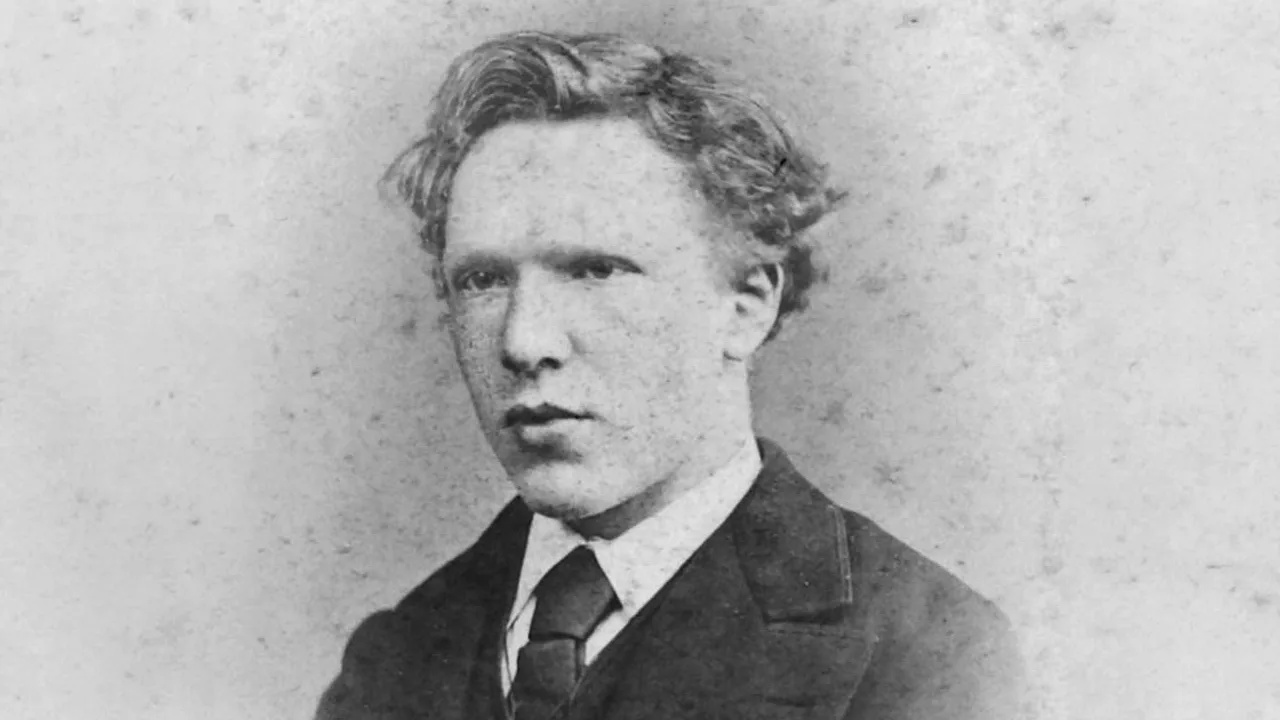
Correct Answer: Vincent van Gogh
Vincent van Gogh was a Dutch Post-Impressionist painter who became one of the most famous artists in history. Although he struggled during his lifetime and sold very few paintings, his work later became celebrated for its bold colours, expressive brushwork, and emotional intensity. Active mainly in the 1880s, van Gogh created several iconic works in the final years of his life, including Sunflowers, The Bedroom, Irises, and The Starry Night.
3. Who is this 19th century artist shown in this photo?
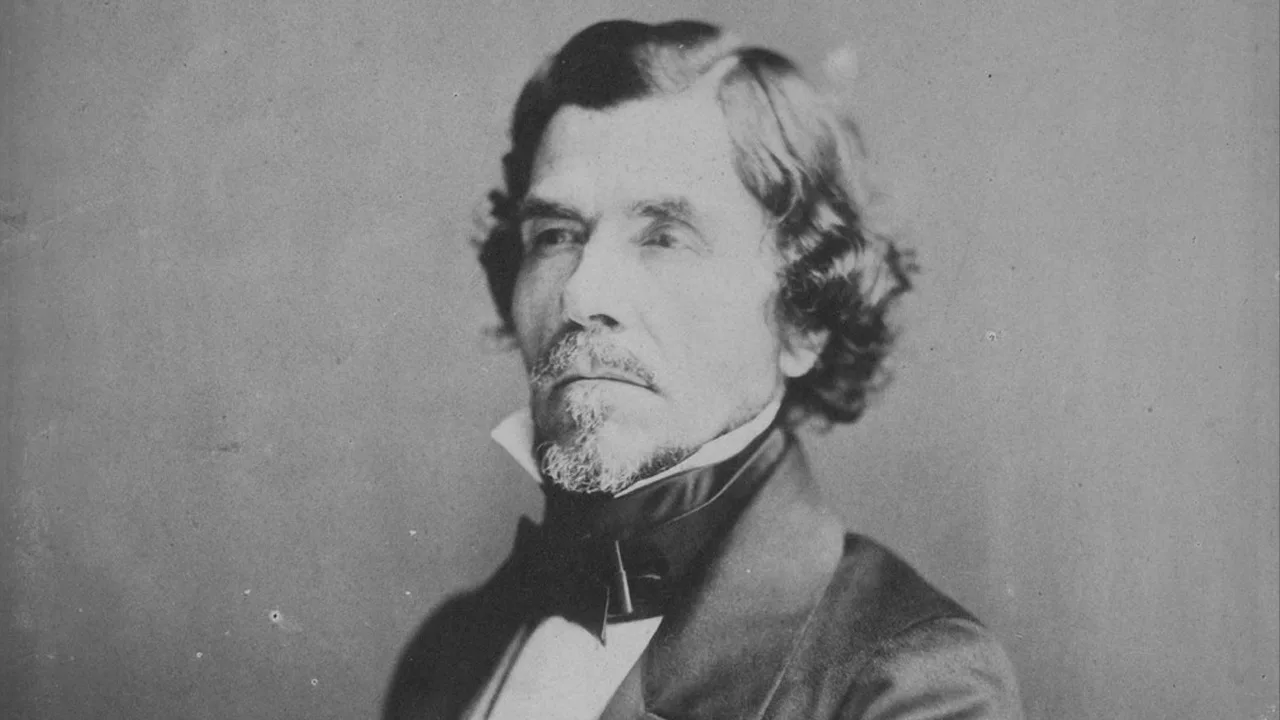
Correct Answer: Eugène Delacroix
Eugène Delacroix was a French artist born in 1798 and became one of the leading painters of the Romantic movement. Unlike the cooler, more polished style of Neoclassical art, Delacroix’s paintings were full of drama, colour, movement, and emotion. He often painted historical, literary, and political subjects, helping define the passionate spirit of 19th-century Romanticism. His most famous work, Liberty Leading the People, became one of the great images of revolutionary France, while paintings such as The Massacre at Chios and The Death of Sardanapalus showed his taste for intense and dramatic scenes.
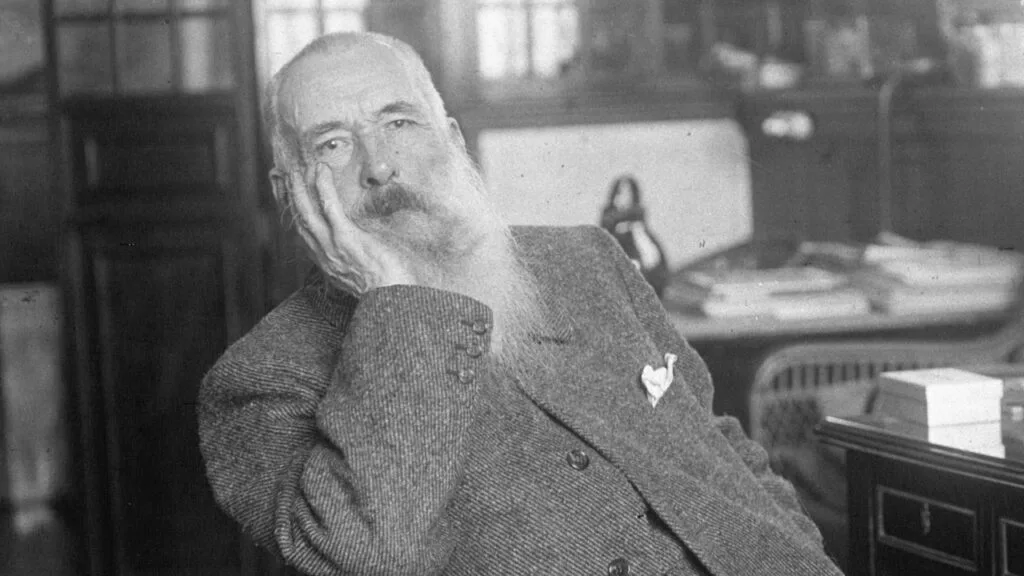
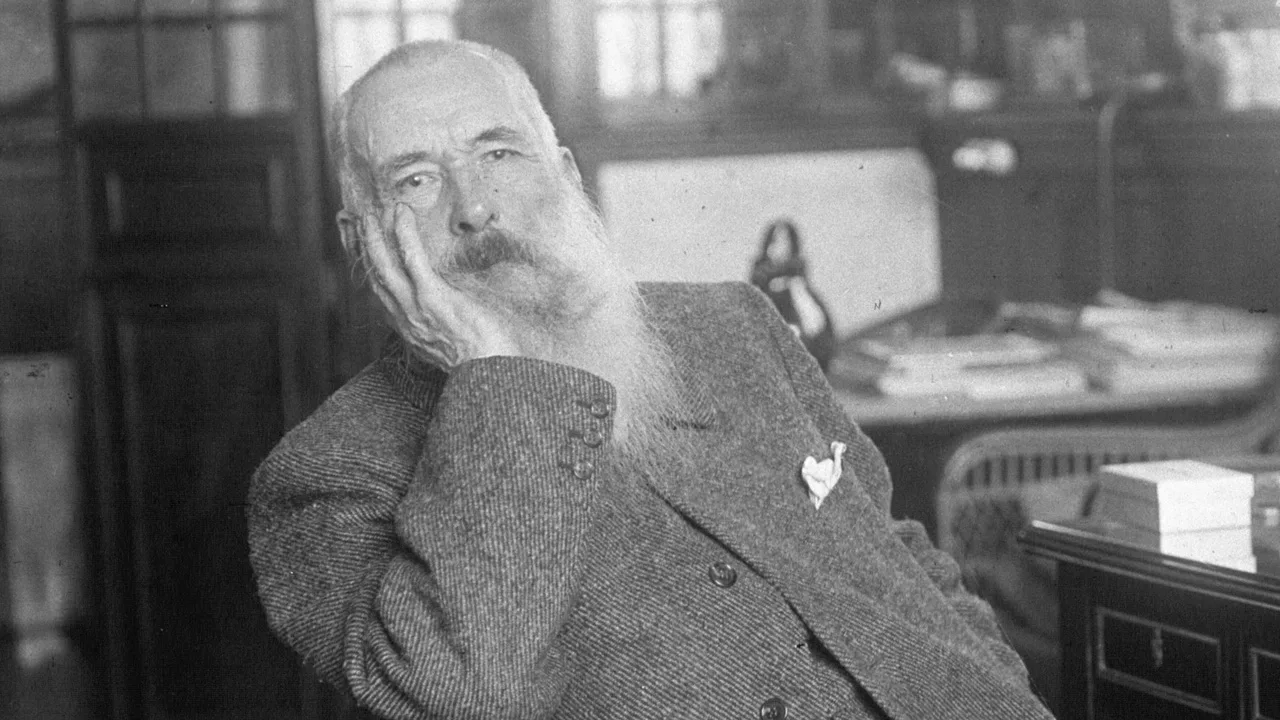
4. Who is this famous French painter?
Correct Answer: Claude Monet
Claude Monet was a central figure in Impressionism, the movement that changed how artists painted light, colour, and everyday scenes. Rather than carefully smoothing every detail, Monet used loose brushwork to capture the feeling of a moment, whether it was sunlight on water, mist over a landscape, or the changing colours of a garden. His 1872 painting Impression, Sunrise helped give Impressionism its name, while his later series of haystacks, Rouen Cathedral, and water lilies showed the same subjects transformed by different times of day and weather.
5. Who is this artist?
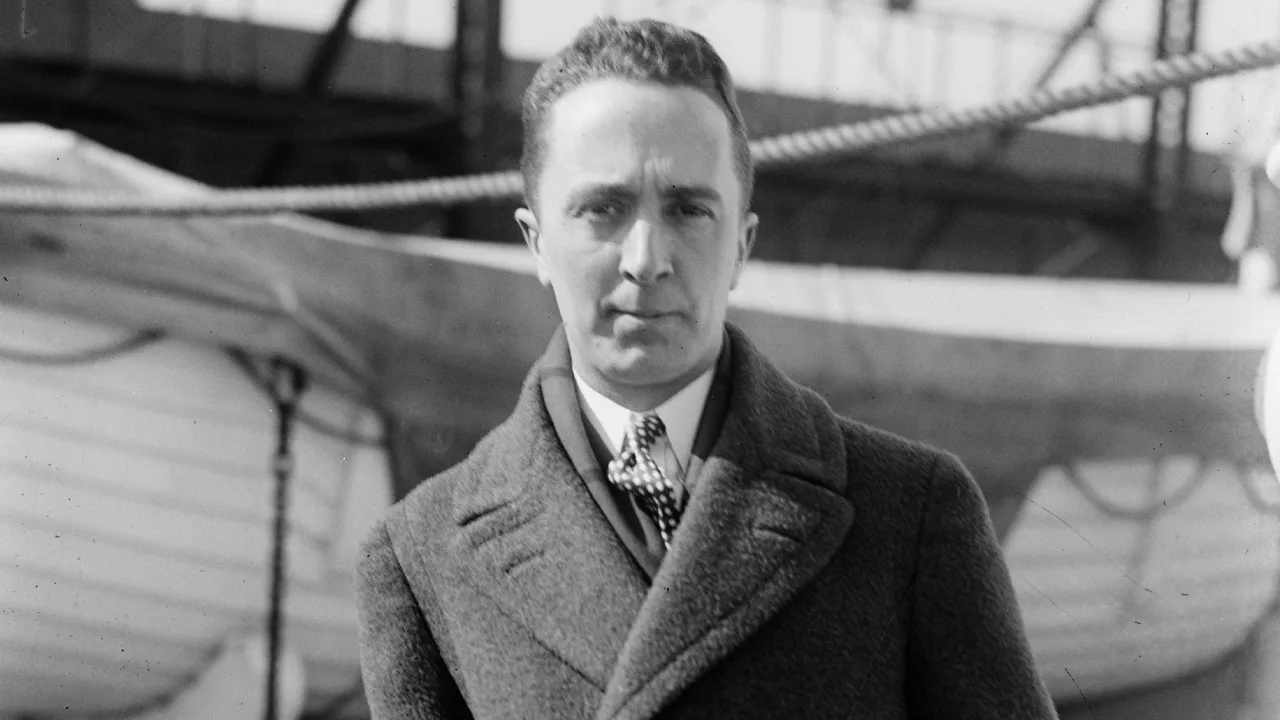
Correct Answer: Norman Rockwell
Norman Rockwell was an American painter and illustrator born in New York City in 1894. He became famous for his detailed, storytelling images of everyday American life, especially through his long association with The Saturday Evening Post, for which he created hundreds of covers. Rockwell’s work often showed families, small-town scenes, children, holidays, and humorous moments, making him one of the most popular illustrators of the 20th century. Later in his career, he also tackled more serious subjects, including civil rights, with works such as The Problem We All Live With.
6. Who is this American artist?
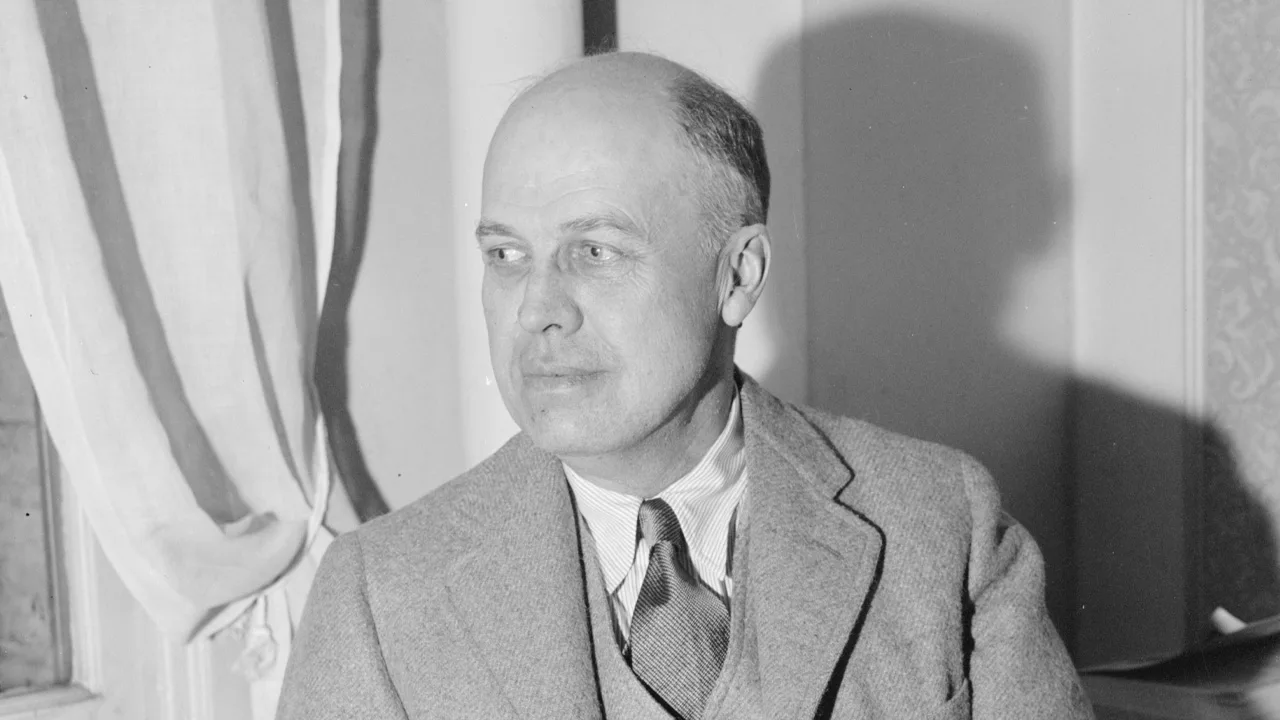
Correct Answer: Edward Hopper
Edward Hopper was an American artist born in New York in 1882. He studied illustration and painting before building a career focused on quiet scenes of modern American life. Hopper is best known for his images of diners, hotel rooms, streets, theatres, and isolated figures, often creating a mood of loneliness or stillness. Although his style was realistic, his paintings often feel mysterious and cinematic, as if the viewer has arrived in the middle of an unfinished story. His most famous works include Nighthawks, Automat, and House by the Railroad.
7. Which artist is shown here in his 60s?
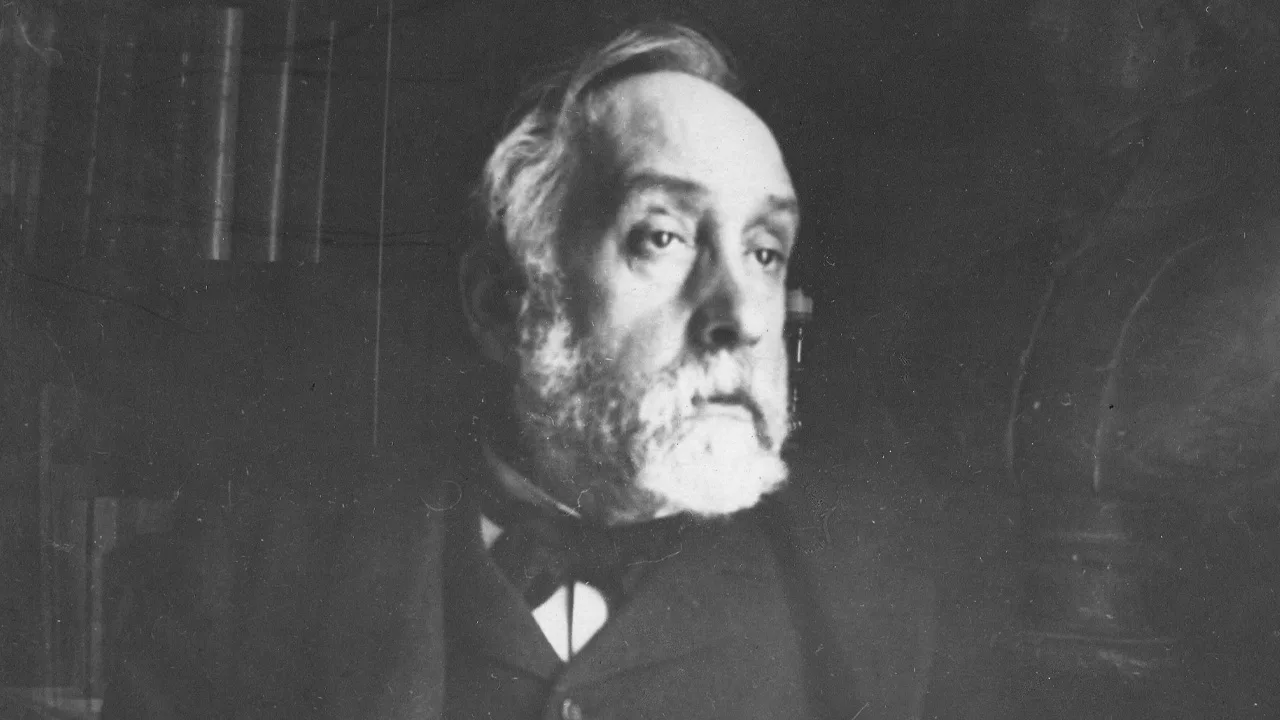
Correct Answer: Edgar Degas
Edgar Degas was a French artist born in Paris in 1834. He trained in a traditional academic style but later became closely associated with the Impressionists, even though he preferred to call himself a realist. Degas came from a wealthy family and spent much of his career observing modern Parisian life, especially theatres, cafés, racecourses, and ballet rehearsals. He is best remembered for his paintings, pastels, and sculptures of dancers, where he captured movement, tiredness, discipline, and quiet backstage moments. Degas continued working into old age, but his eyesight gradually declined, making his later years increasingly difficult.
8. Who is this artist photographed late in his life?
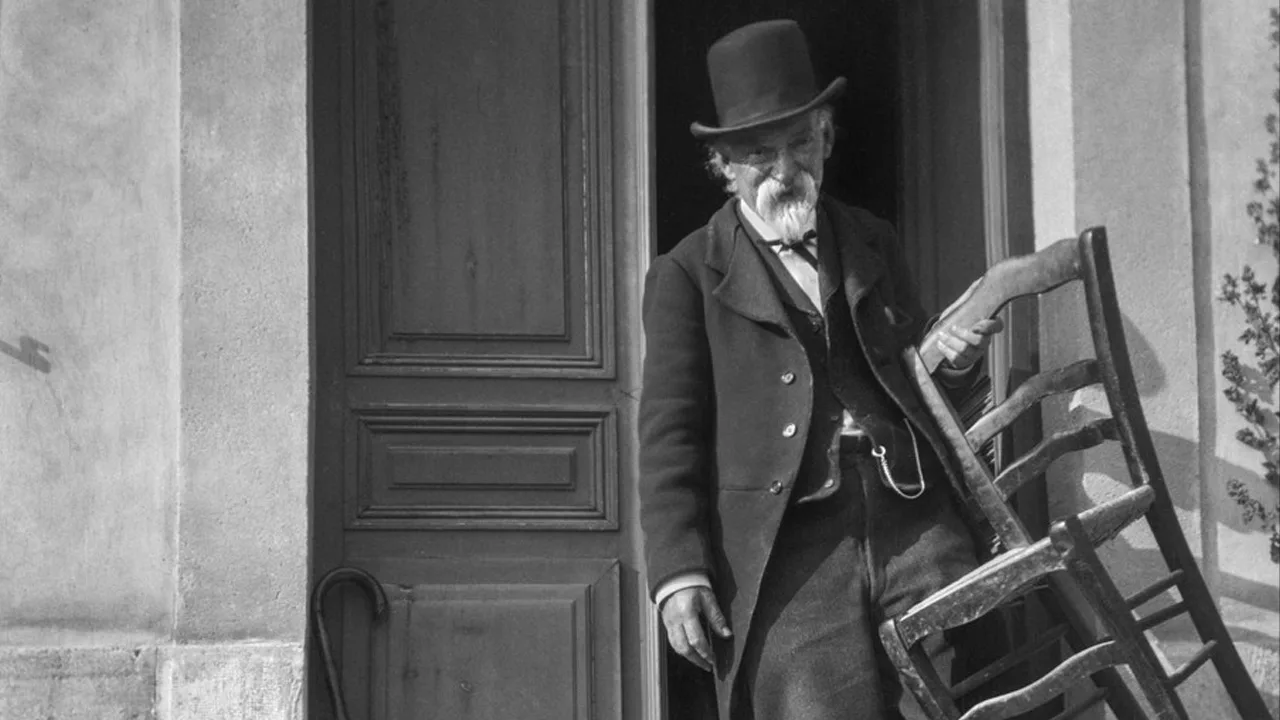 Deutsches Dokumentationszentrum für Kunstgeschichte – Bildarchiv Foto Marburg, CC BY-SA 4.0
Correct Answer: Paul Cézanne
Paul Cézanne was a French artist born in Aix-en-Provence in 1839. He began his career around the Impressionists but gradually developed a more structured style, using colour, shape, and repeated brushstrokes to give his paintings a strong sense of form. Cézanne was not widely understood during much of his life, but younger artists later saw him as a major influence on modern art, especially Cubism. He is best known for his still lifes, portraits, bathers, and repeated views of Mont Sainte-Victoire, the mountain near his home in southern France.
9. Who is this surrealist artist?
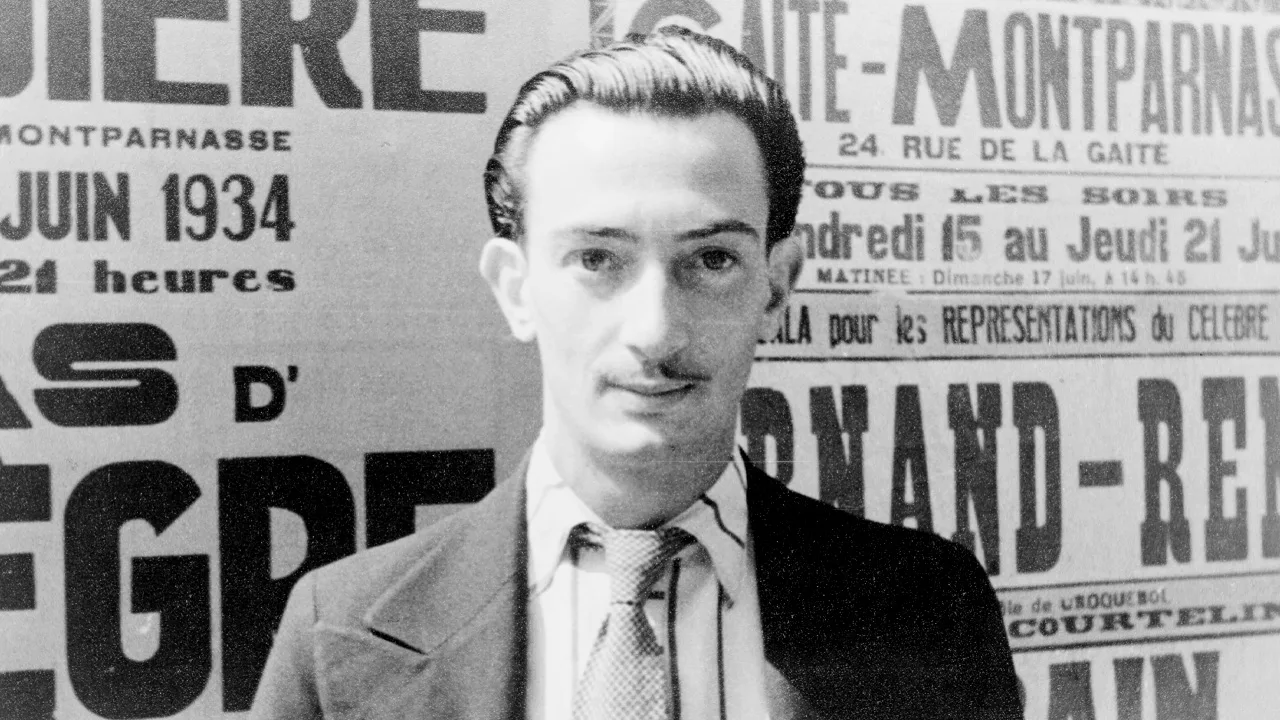
Correct Answer: Salvador Dalí
Salvador Dalí was a Spanish Surrealist artist known for his dreamlike imagery, technical skill, and eccentric public personality. Active mainly during the 20th century, he became one of the most recognizable figures in modern art, often painting strange, symbolic scenes with melting objects, distorted figures, and unusual landscapes. His most famous works include The Persistence of Memory, Swans Reflecting Elephants, and The Elephants.
10. Who is this artist?
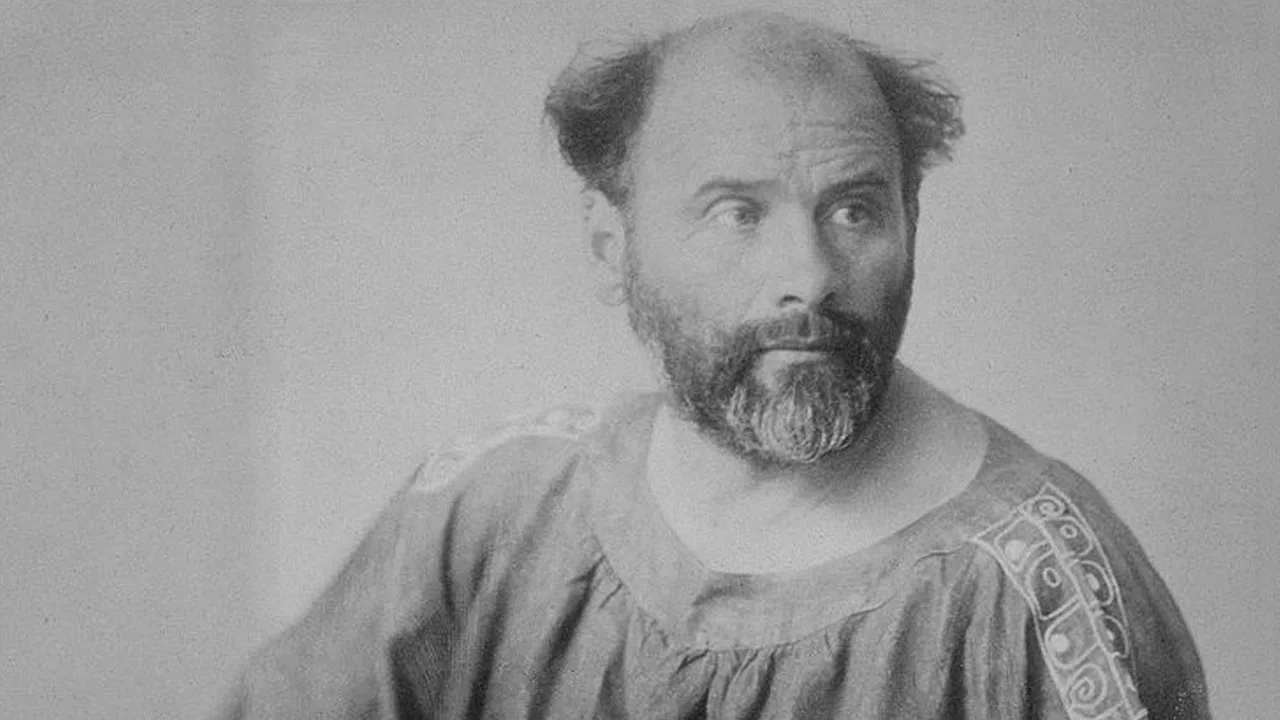
Correct Answer: Gustav Klimt
Gustav Klimt was an Austrian painter born near Vienna in 1862. He began his career creating decorative murals, but later became one of the leading figures of the Vienna Secession, a group of artists who wanted to break away from traditional academic art. Klimt is especially known for his rich, ornamental style, use of gold, and striking portraits of women. His work often mixed beauty, symbolism, and decorative patterns, giving his paintings a luxurious and dreamlike quality. His most famous works include The Kiss, Portrait of Adele Bloch-Bauer I, and the Beethoven Frieze.