Now Reading: Easy World War I Quiz
-
01
Easy World War I Quiz

Easy World War I Quiz
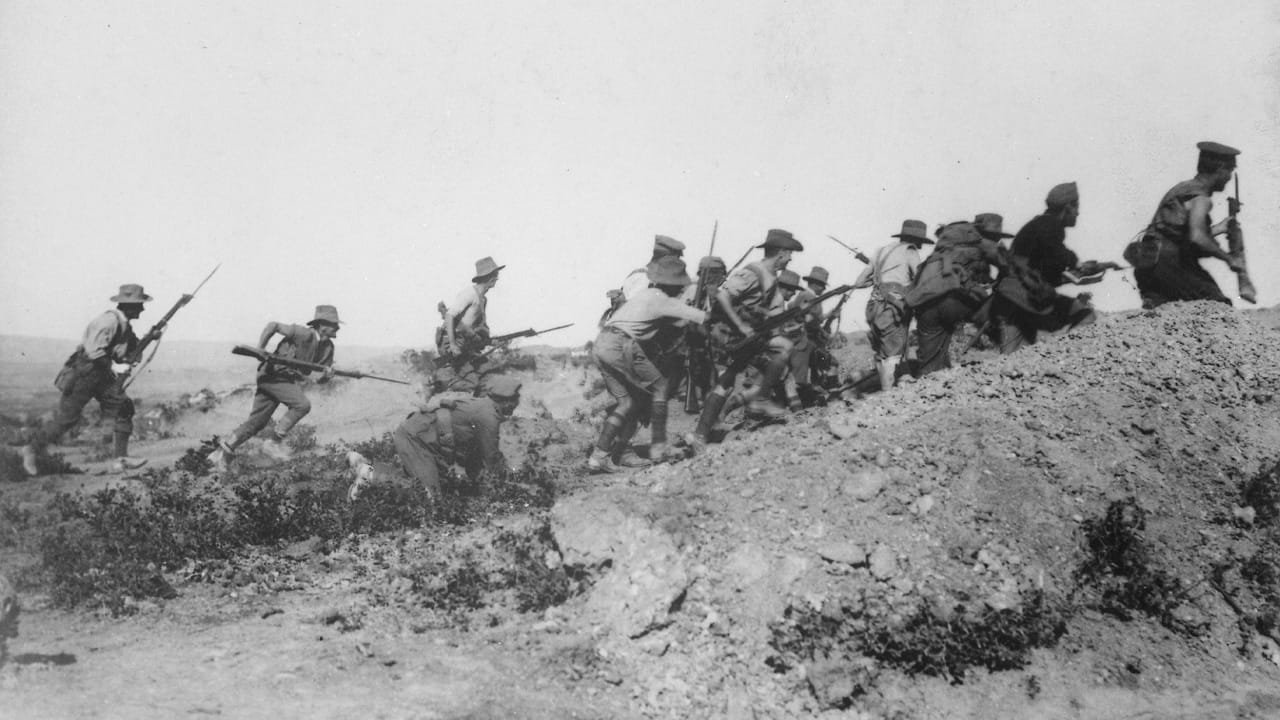
World War I was one of the most devastating and important conflicts in modern history. It changed the political map of Europe, brought down empires, transformed warfare, and left consequences that shaped much of the 20th century. Millions of soldiers and civilians were affected as countries across Europe and beyond became drawn into a war unlike anything the world had seen before.
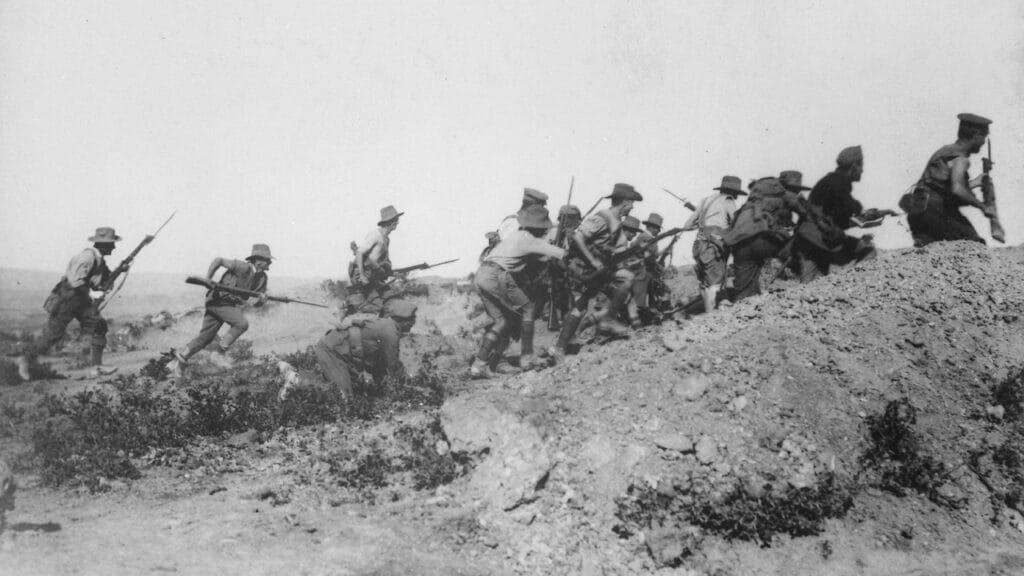
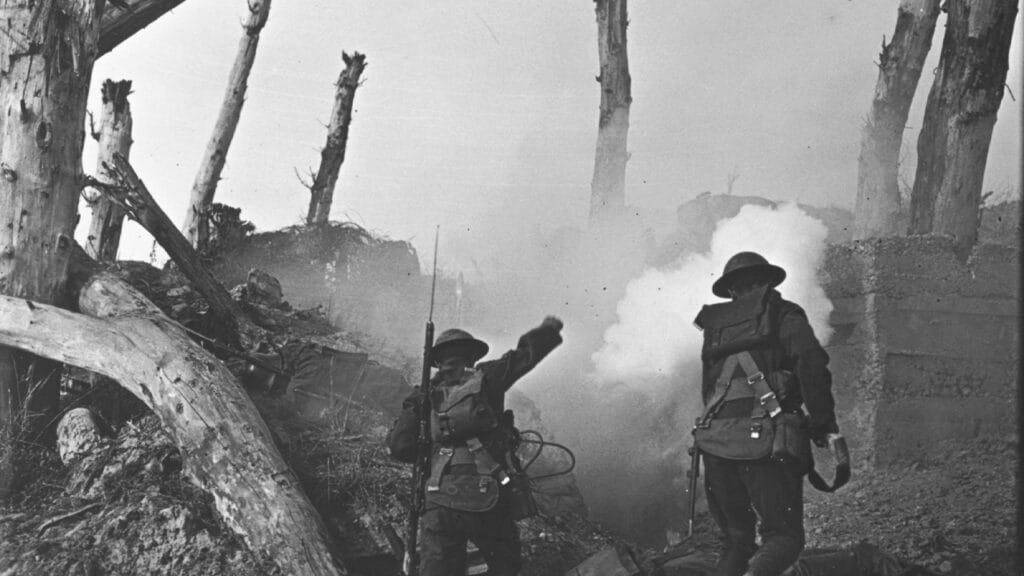
The First World War was fought at a time when old military traditions met new and deadly technology. Armies still relied on cavalry, rifles, and mass infantry attacks, but the war also saw the growing use of machine guns, artillery, aircraft, submarines, chemical weapons, and armoured vehicles. On land, at sea, and in the air, the conflict showed how modern warfare was changing.
This Easy World War I Quiz is designed to test your knowledge of the basic facts and major themes of the war without being too difficult. It covers the causes of the conflict, the countries involved, life on the battlefield, important wartime events, major weapons, famous battles, and how the fighting eventually came to an end.
Whether you are studying World War I, brushing up on history, or just enjoy testing your knowledge, this quiz is a simple way to see how much you know about the First World War and why it remains such a significant event in world history.
1. Which passenger ship was sunk by a German U-boat in 1915, helping turn public opinion against Germany?
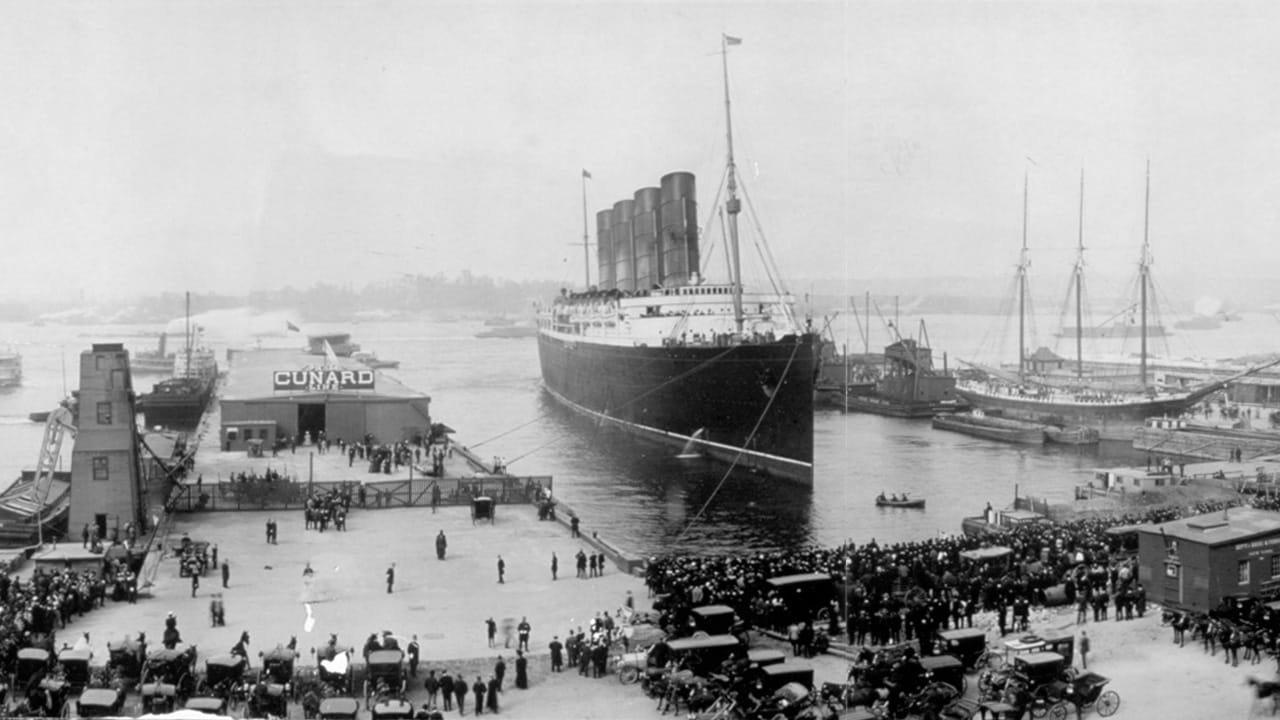
Correct Answer: Lusitania
The Lusitania was a British passenger ship sunk by a German U-boat in 1915 during World War I. Nearly 1,200 people died, including 128 Americans, which caused outrage in the United States. The sinking helped turn public opinion against Germany and became one of the key events that pushed America closer to joining the war.
2. What was the name of Germany’s plan to quickly defeat France at the start of World War I?
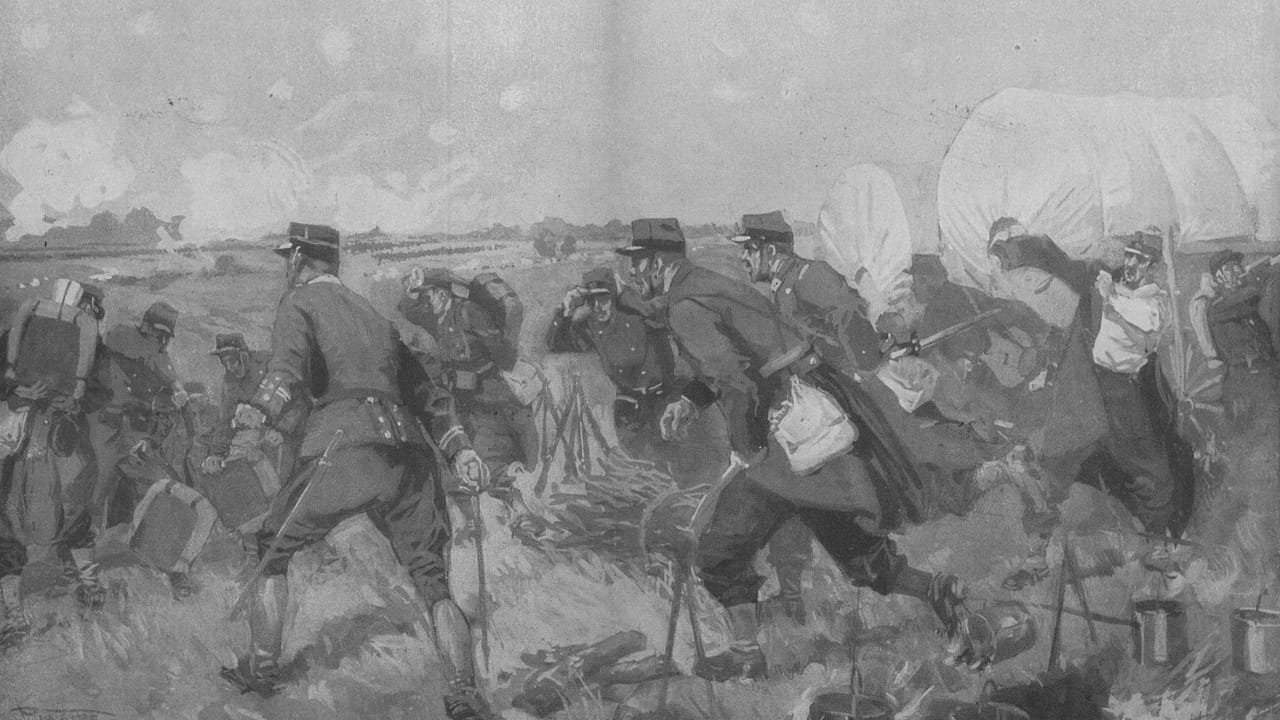
Correct Answer: The Schlieffen Plan
The Schlieffen Plan was Germany’s strategy at the beginning of World War I. It aimed to defeat France quickly by attacking through Belgium before turning east to fight Russia. The plan failed to achieve a quick victory and helped lead to years of trench warfare on the Western Front.
3. In what year did World War I begin?
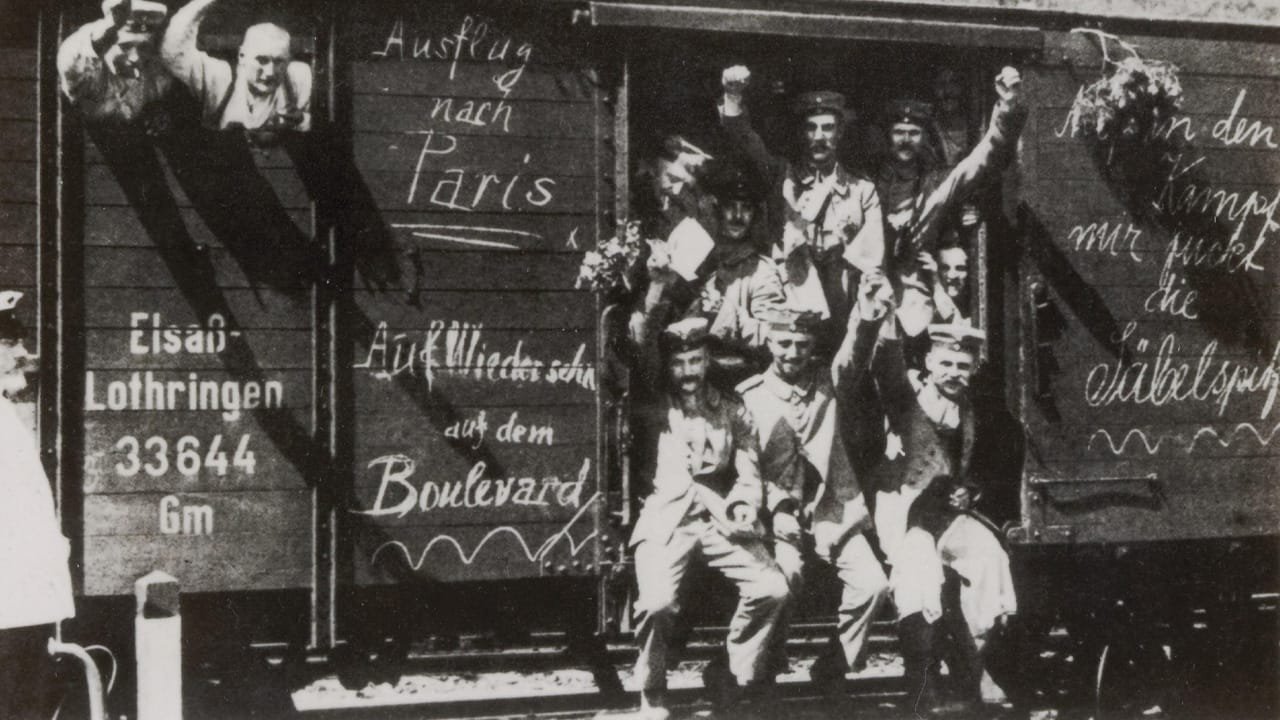
Correct Answer: 1914
World War I began in 1914 after the assassination of Archduke Franz Ferdinand of Austria-Hungary. The crisis quickly grew into a wider conflict as alliances pulled many European powers into the war.
4. Which countries were part of the main Allied Powers during World War I?
Correct Answer: Britain, France, and Russia
The main Allied Powers at the start of World War I included Britain, France, and Russia. They fought against the Central Powers, which included Germany, Austria-Hungary, and later the Ottoman Empire. Other countries joined the war over time, but Britain, France, and Russia were among the most important Allied nations.
5. Which major 1916 battle became one of the longest and deadliest battles of World War I?
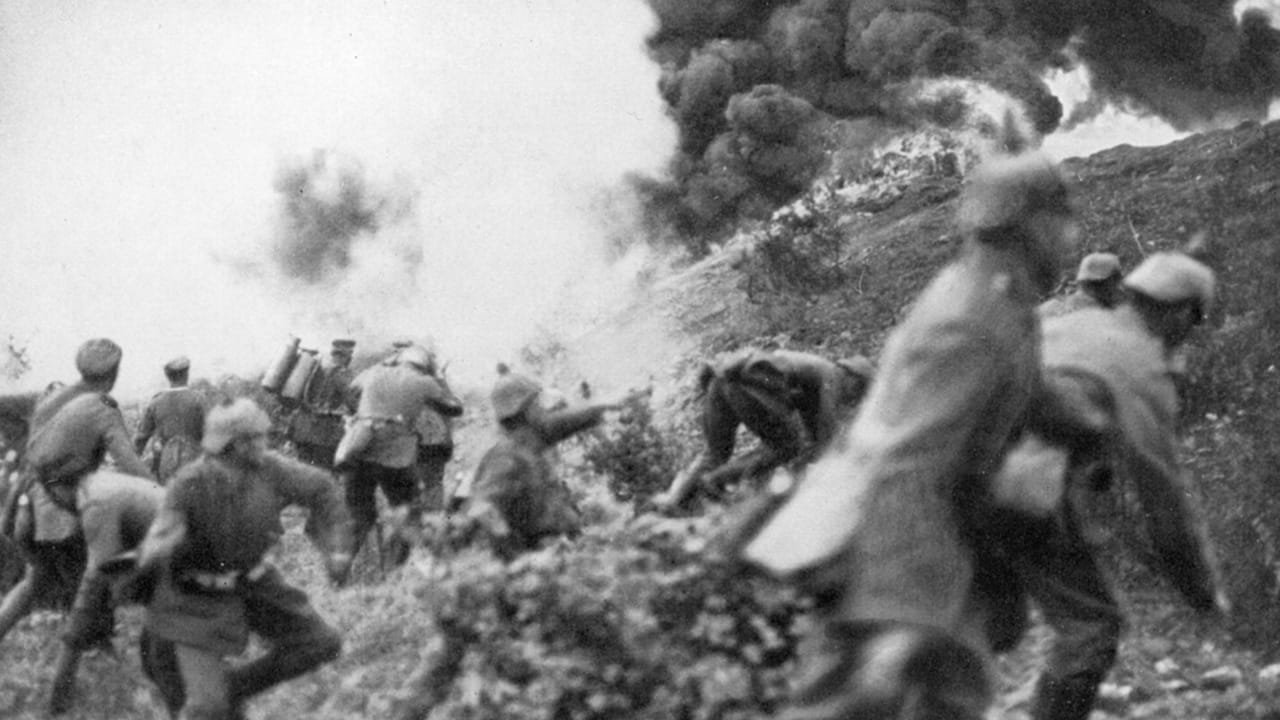
Correct Answer: Battle of Verdun
The Battle of Verdun was fought between France and Germany in 1916 and became one of the longest and deadliest battles of World War I. The fighting lasted for most of the year and caused huge casualties on both sides. Verdun became a powerful symbol of French determination during the war.
6. What was the name of the area between opposing trenches during World War I?
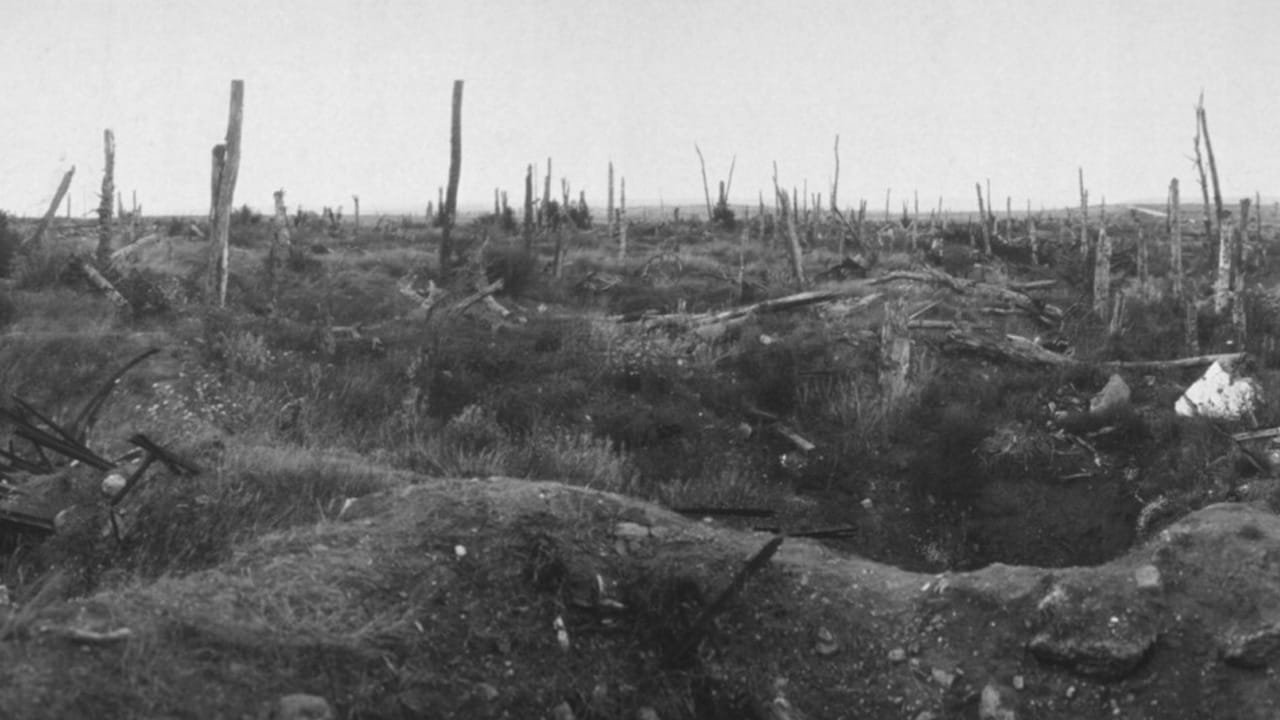
Correct Answer: No Man’s Land
No Man’s Land was the dangerous area between opposing trench lines during World War I. Soldiers had to cross it during attacks, often while facing machine-gun fire, artillery shells, barbed wire, and other dangers. It became one of the most famous and grim symbols of trench warfare.
7. In what year did World War I end?
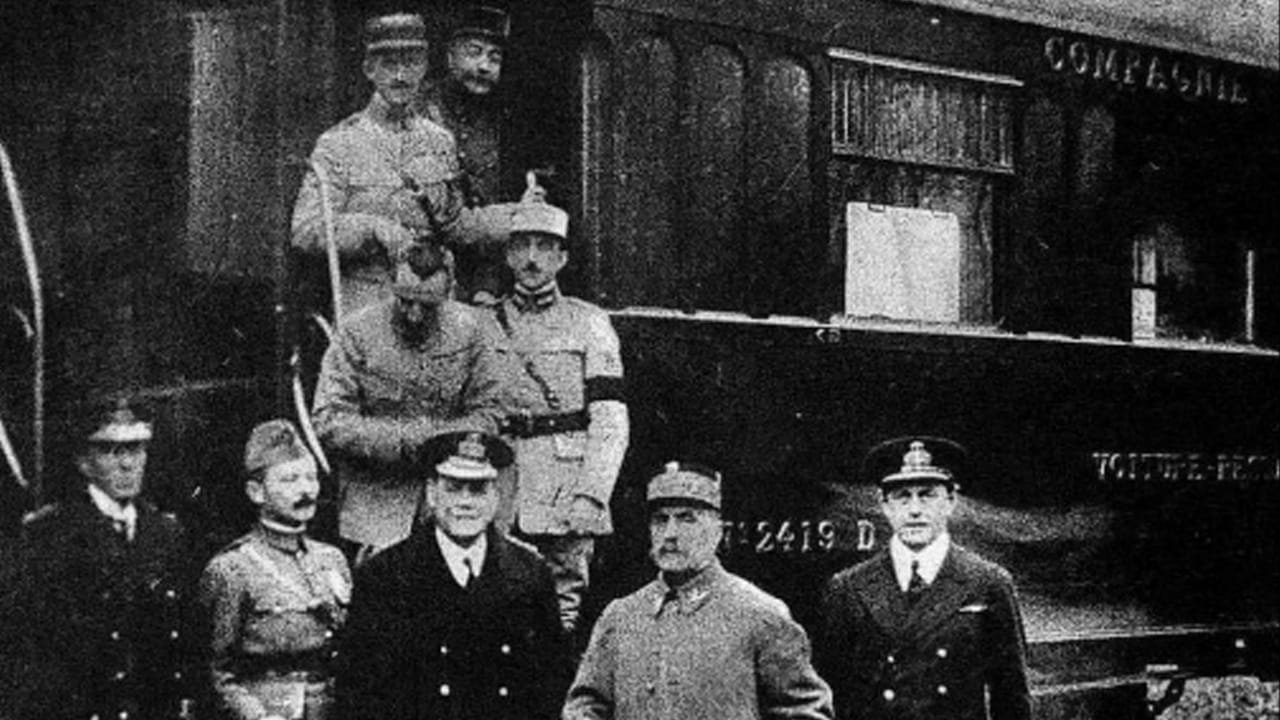
Correct Answer: 1918
World War I ended in 1918 when an armistice was signed between Germany and the Allies. The fighting stopped on November 11th, 1918, a date now remembered as Armistice Day or Remembrance Day in many countries. Although the peace treaty was signed in 1919, the actual fighting ended in 1918.
8. What treaty formally ended World War I between Germany and the Allied Powers?
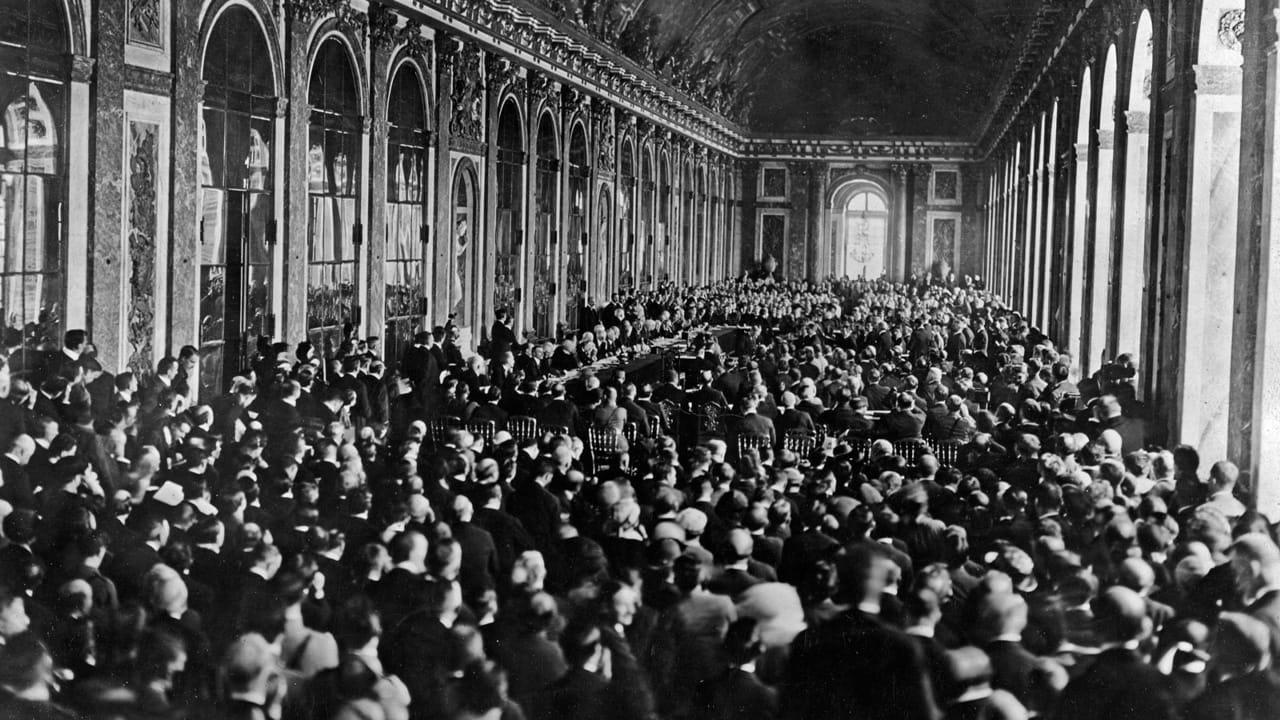
Correct Answer: The Treaty of Versailles
The Treaty of Versailles was signed in 1919 and formally ended the war between Germany and the Allied Powers. It placed blame for the war on Germany and included harsh terms such as military restrictions, territorial losses, and reparations. The treaty became one of the most important and controversial agreements after World War I.
9. Which new weapon was first used by the British during the Battle of the Somme in 1916?
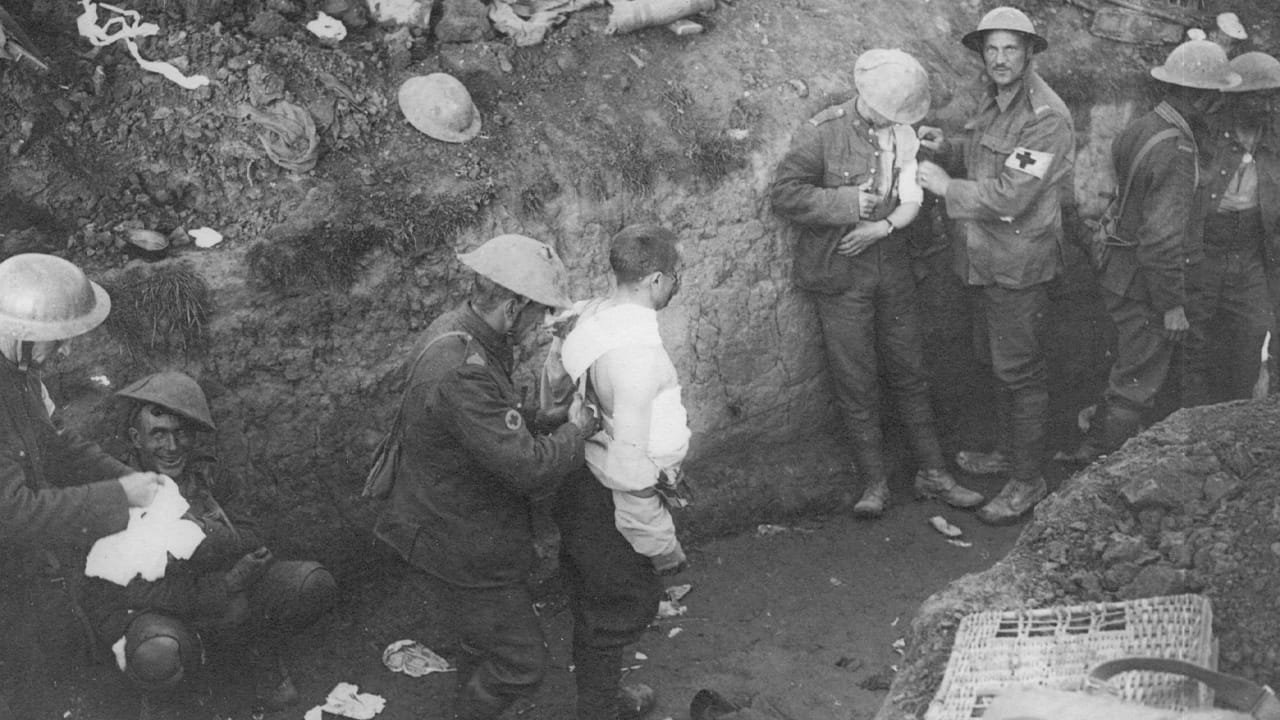
Correct Answer: Tank
Tanks were first used by the British during the Battle of the Somme in 1916. They were designed to cross trenches, crush barbed wire, and protect soldiers from machine-gun fire. Although the early tanks were slow, unreliable, and often broke down, they introduced a new type of weapon that would become much more important in later warfare.
10. What type of warfare became especially associated with the Western Front during World War I?
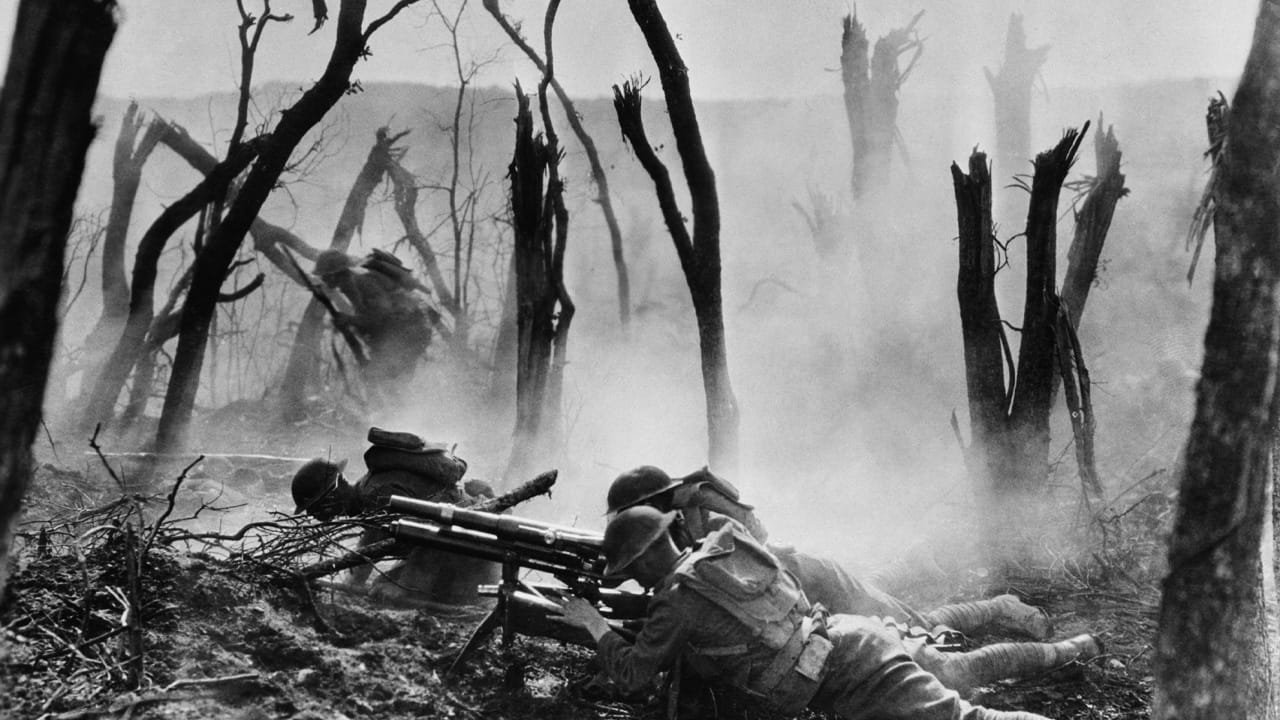
Correct Answer: Trench warfare
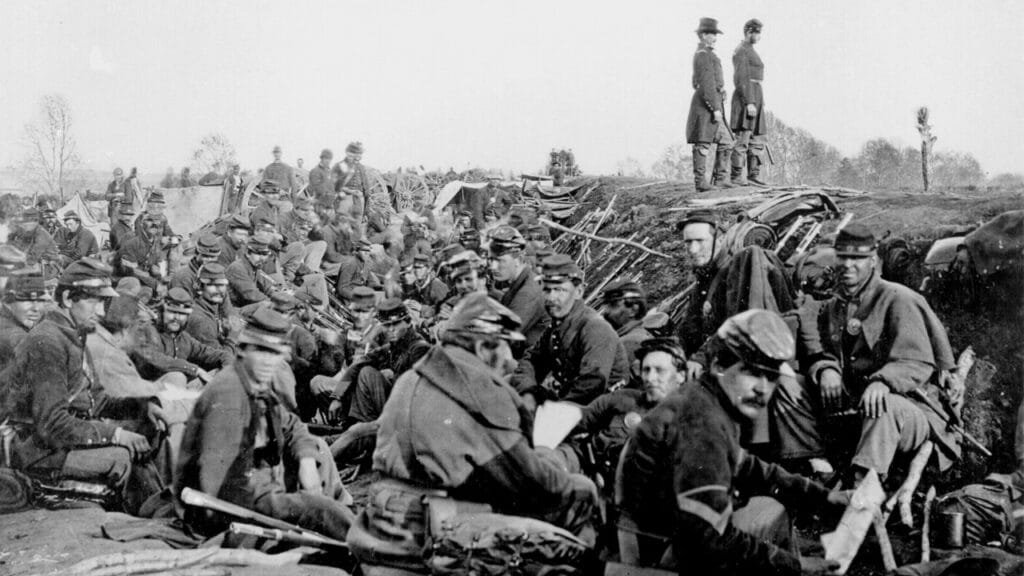
Trench warfare became one of the defining features of World War I, especially on the Western Front. Soldiers lived and fought from long lines of trenches that stretched across parts of France and Belgium. These conditions were often muddy, dangerous, and miserable, with both sides struggling to break through enemy lines.