Now Reading: World Leaders of World War I Quiz
-
01
World Leaders of World War I Quiz

World Leaders of World War I Quiz
The First World War changed the course of modern history. Armies fought across Europe, the Middle East, Africa, and beyond. Behind those armies stood the leaders who shaped each nation’s role in the conflict.
This quiz tests your knowledge of the political and royal figures linked to World War I. You will come across rulers, presidents, prime ministers, and other key figures from the era. Some remain famous today. Others played major roles but receive less attention.
World War I did not unfold through battles alone. Leaders made decisions about alliances, strategy, diplomacy, and peace. Their choices affected millions of soldiers and civilians. They also helped shape the world that followed after 1918.
This quiz gives you a chance to test your knowledge on that side of the war. It focuses on the people who held power during one of history’s most important conflicts. See how many World War I leaders you can identify, and find out how strong your knowledge really is.
1. Which of the following people remained leader for the entire duration of the First World War (1914-1918)?
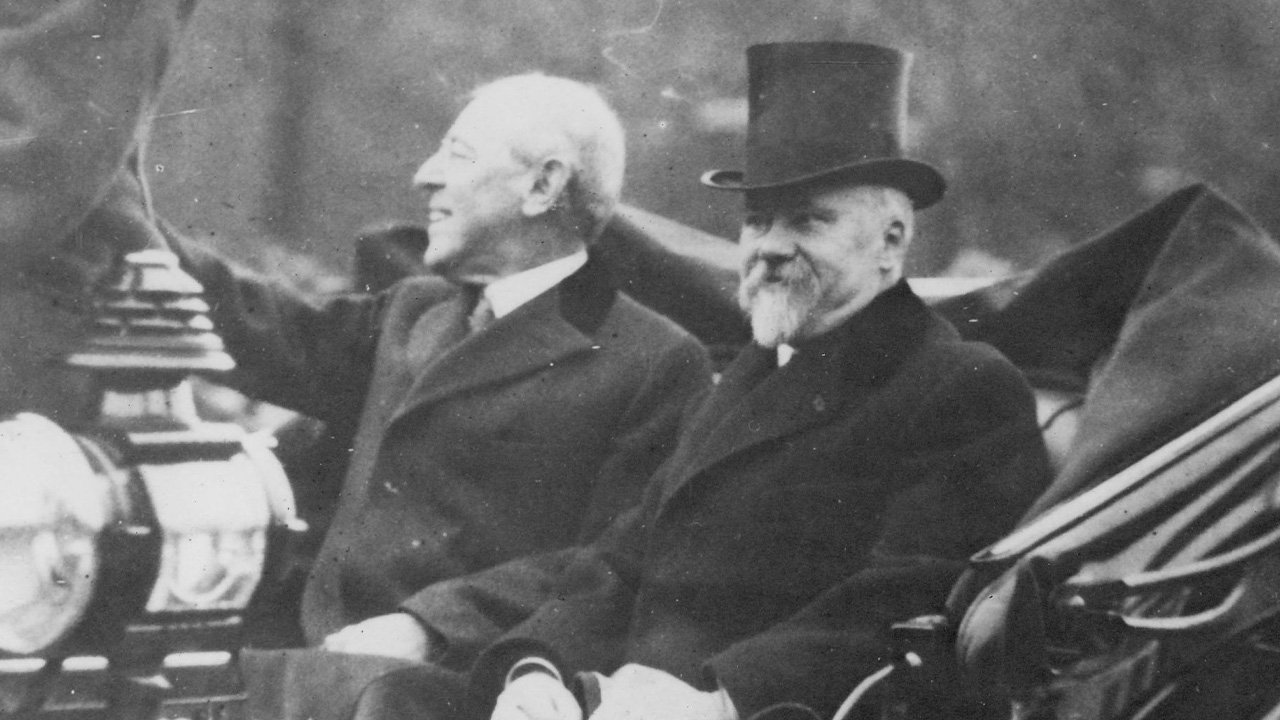
Correct Answer: Woodrow Wilson
Even though the United States of America did not enter WWI until April 6th, 1917, Woodrow Wilson had been President since before the outbreak of war, and remained in power until 1921.
2. Who was the Prime Minister of Canada during the First World War?
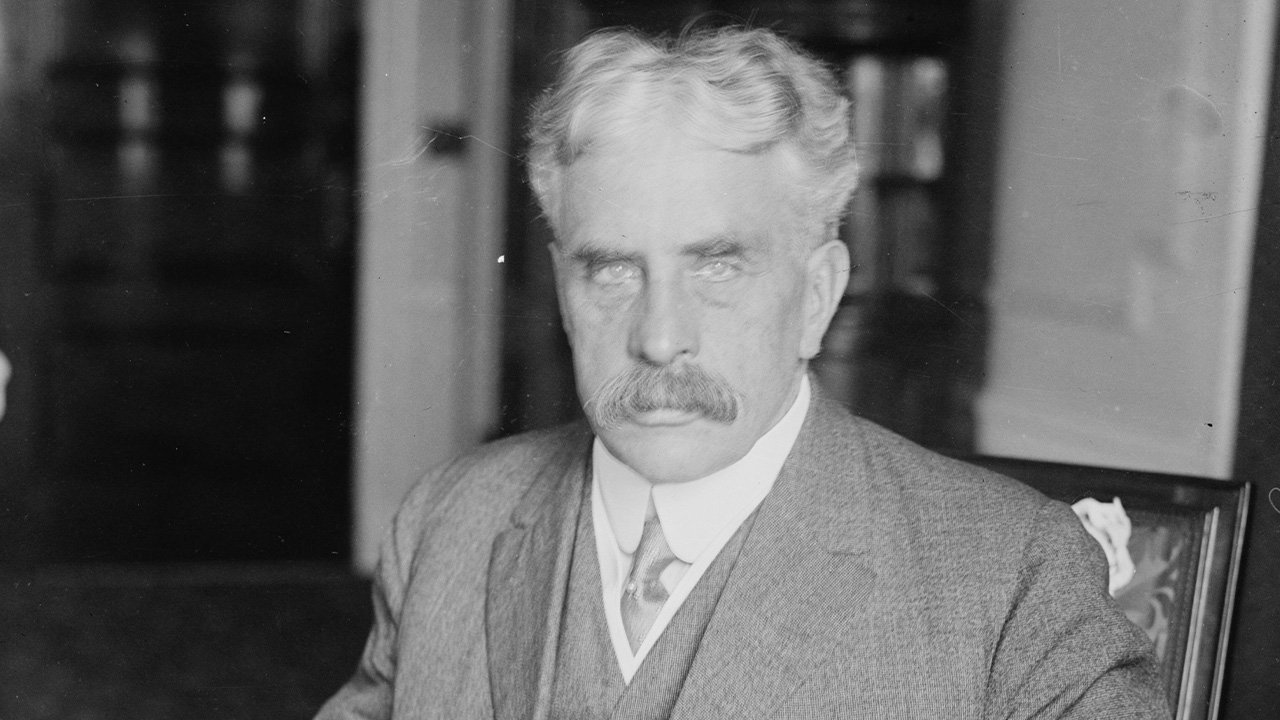
Correct Answer: Robert Borden
Robert Borden led Canada through the war and pushed for greater independence within the British Empire. His introduction of conscription in 1917 caused deep political divisions, particularly in Quebec.
3. True or False: Raymond Poincaré was Prime Minister of France during the First World War.
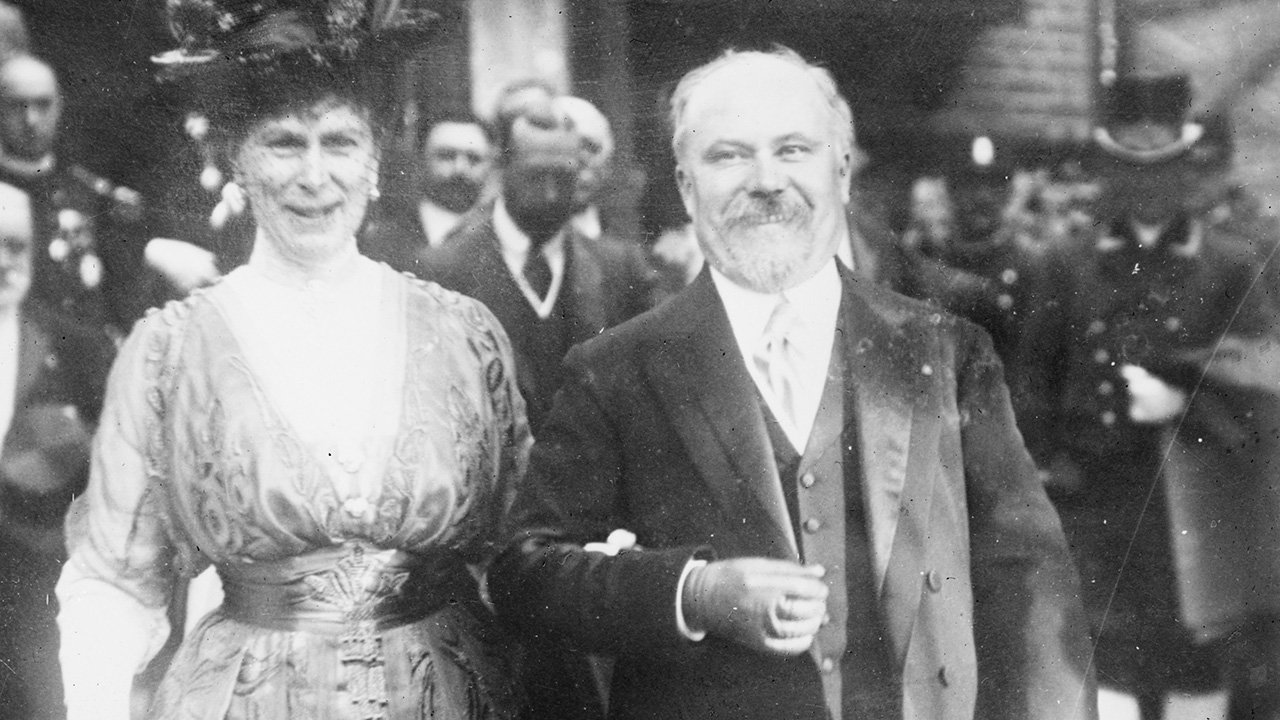
Correct Answer: True
Raymond Poincaré was President of France, not Prime Minister, during World War I. Several prime ministers served during the war, while Poincaré remained head of state throughout the entire conflict.
4. Which of these world leaders was the youngest at the start of the First World War?
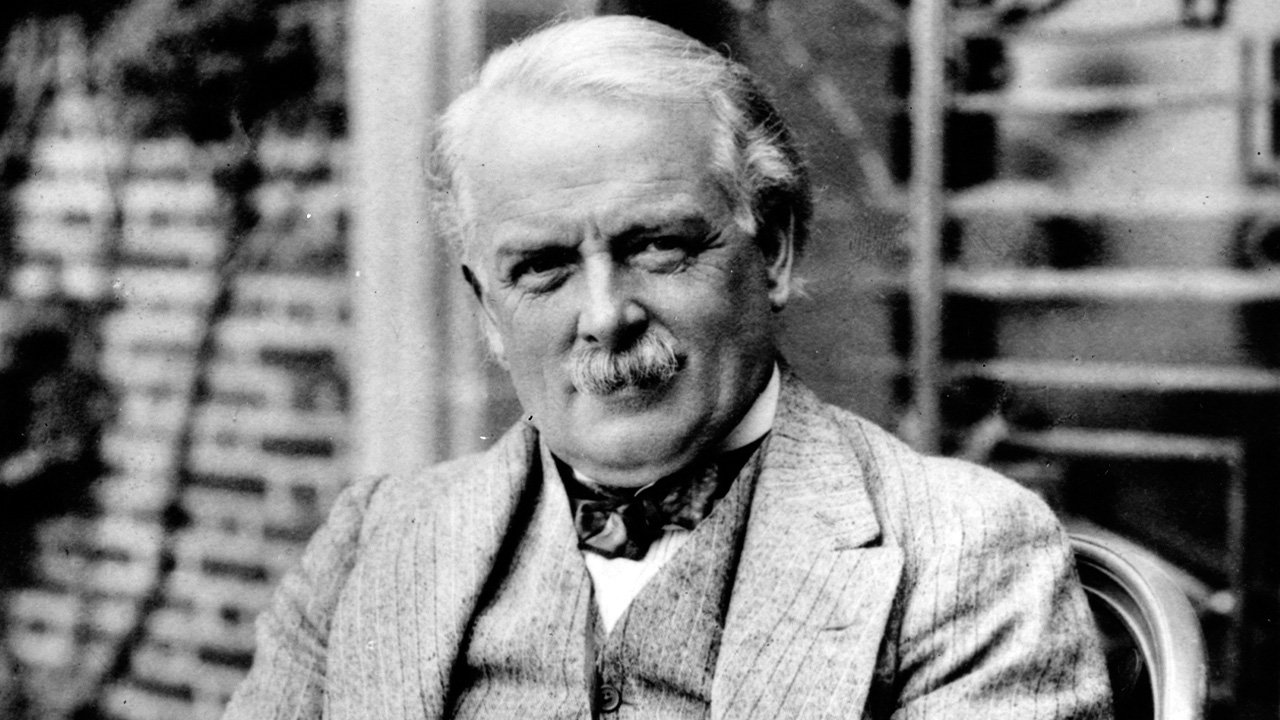
Correct Answer: David Lloyd George
David Lloyd George was born on January 17th, 1863, making him 51 at the outbreak of World War 1, which is 4 years younger than Kaiser Wilhelm II, the second youngest of the world leaders listed. Lloyd George was 53 years old when he took over as Prime Minister of the United Kingdom in 1916.
5. Who was the Prime Minister of the United Kingdom at the outbreak of the First World War?
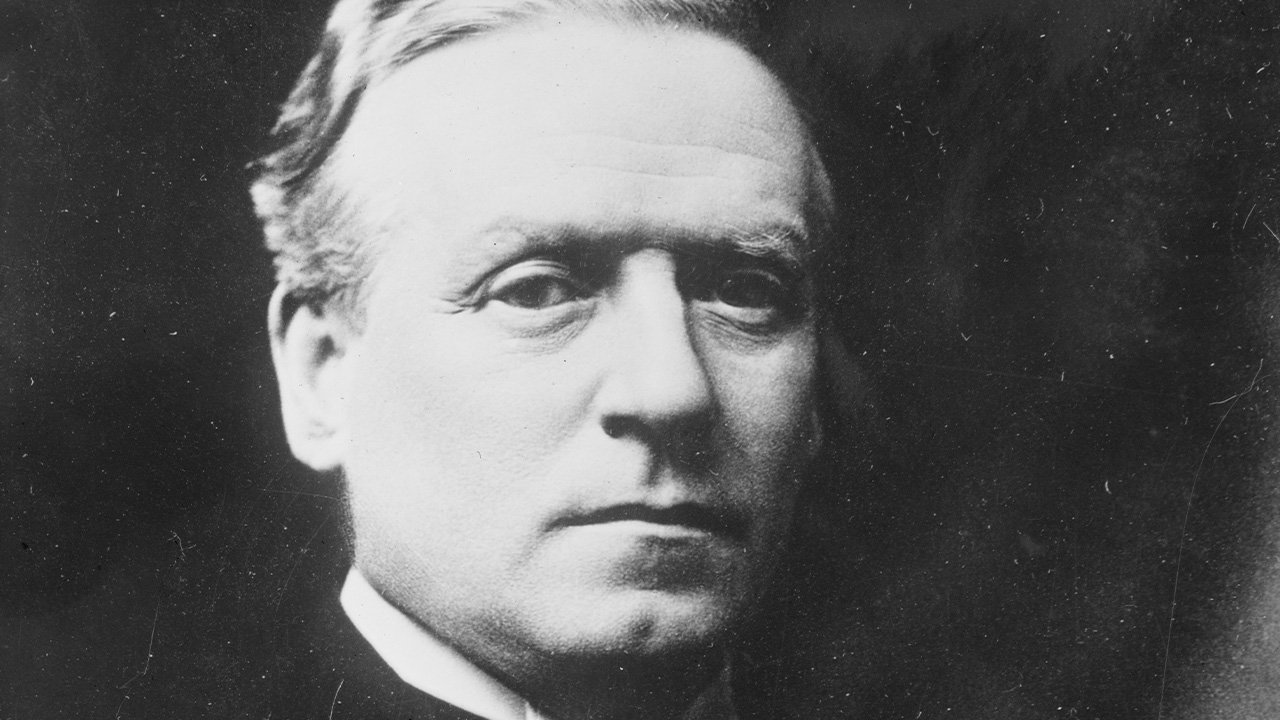
Correct Answer: H. H. Asquith
Becoming Prime Minister in 1908, Herbert Henry Asquith led the United Kingdom into the First World War until 1916 when he was replaced by David Lloyd George.
6. Which Russian Emperor was forced to abdicate in 1917?
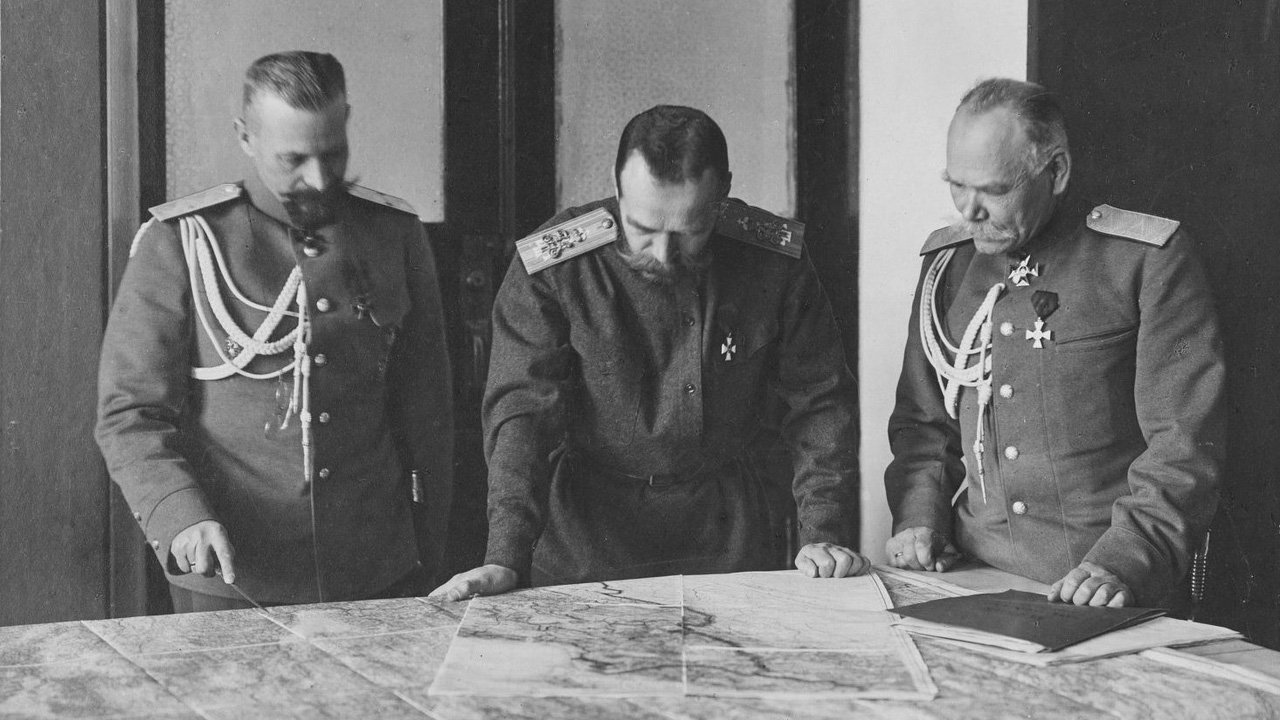
Correct Answer: Nicholas II
As a result of the February Revolution in Russia, Nicholas II was forced to abdicate the throne. He initially attempted to pass the crown to his brother, Grand Duke Michael Alexandrovich, but he refused to accept it. The authority of the crown was passed to the Russian Provisional Government, marking the end of the Russian monarchy.
7. True or False: Kaiser Wilhelm II was executed at the end of World War I.
Correct Answer: False
Kaiser Wilhelm II was not executed after World War I. He abdicated on November 9th, 1918 and fled into exile in the Netherlands, who granted him asylum and refused to hand him over for trial. He lived at Huis Doorn for the remainder of his life and died in 1941.
8. Which of the following world leaders is NOT in this photograph?
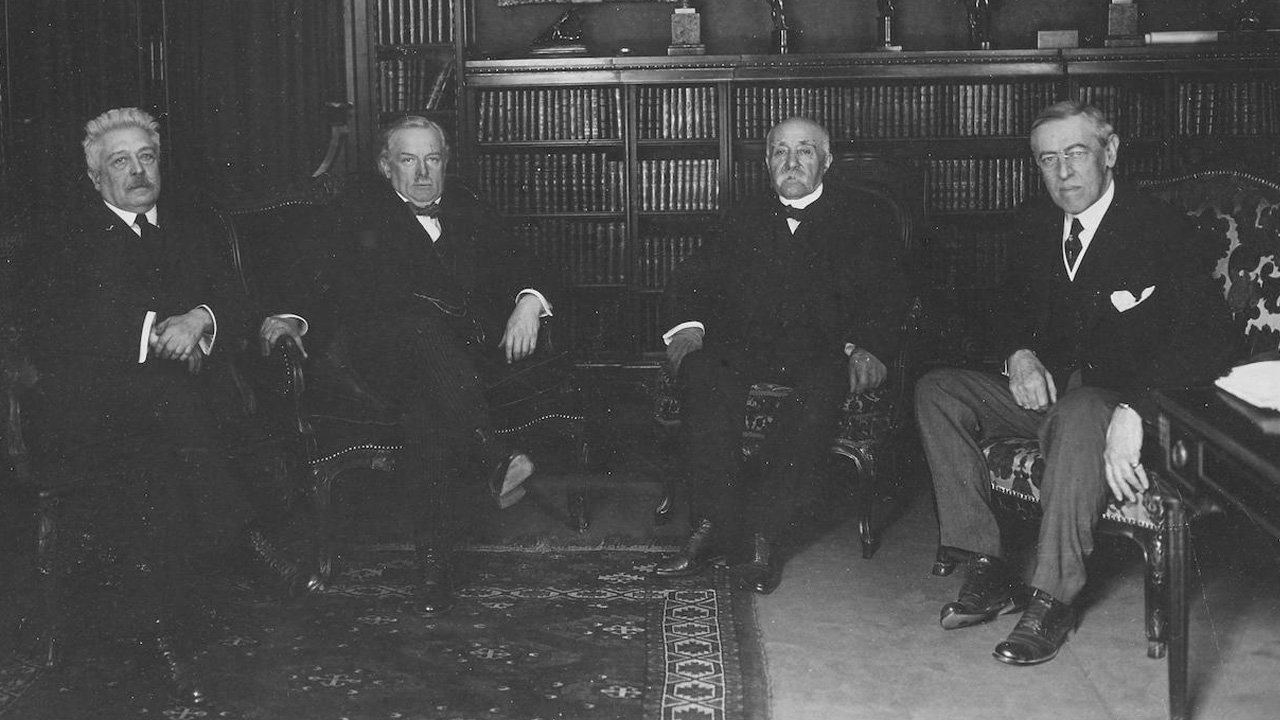
Correct Answer: Paolo Boselli
From left to right: Vittorio Emanuele Orlando (Italy), David Lloyd George (United Kingdom), Georges Clemenceau (France), Woodrow Wilson (United States). Paolo Boselli does not appear in the photograph.
9. Which European royal heir was assassinated in 1914, setting off the chain of events that led to World War I?
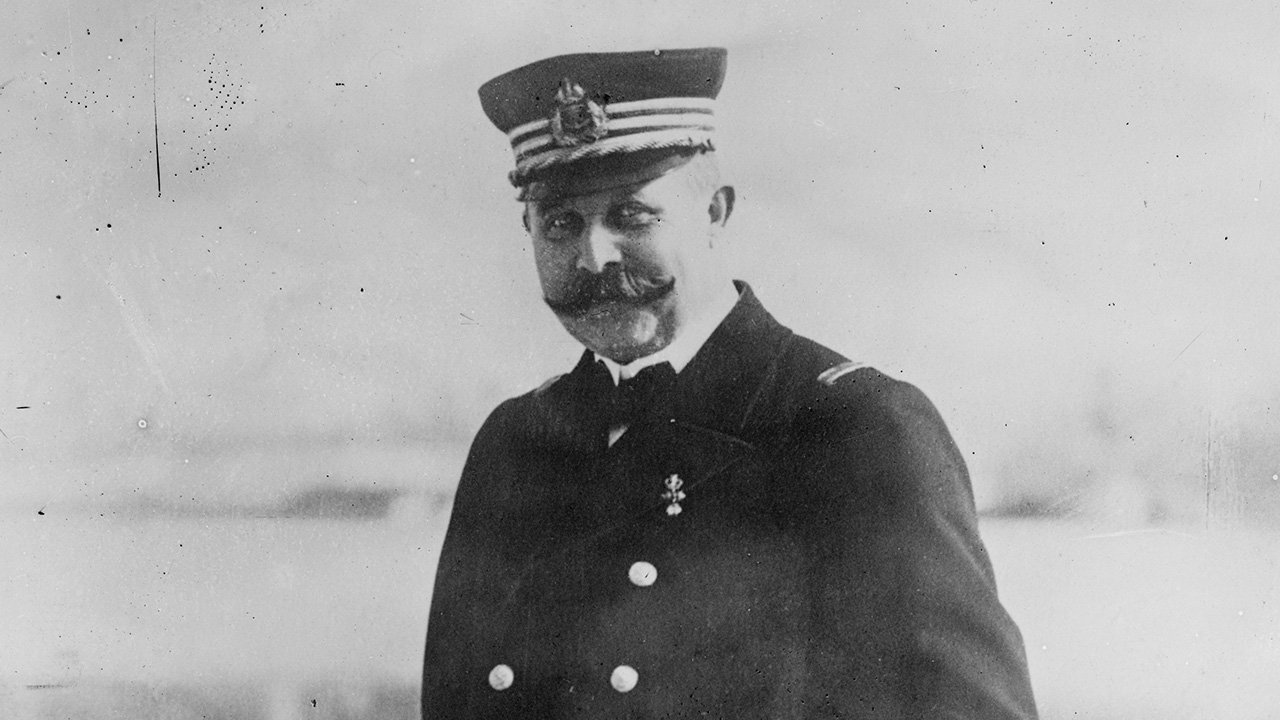
Correct Answer: Archduke Franz Ferdinand
Franz Ferdinand was the heir to Austro-Hungarian throne when he was assassinated in Sarajevo on June 28th, 1914. The killing caused a diplomatic crisis that escalated through alliances and ultimatums, leading to the outbreak of World War I only weeks later.
10. Who was the leader of the Ottoman Empire at the outbreak of World War I?
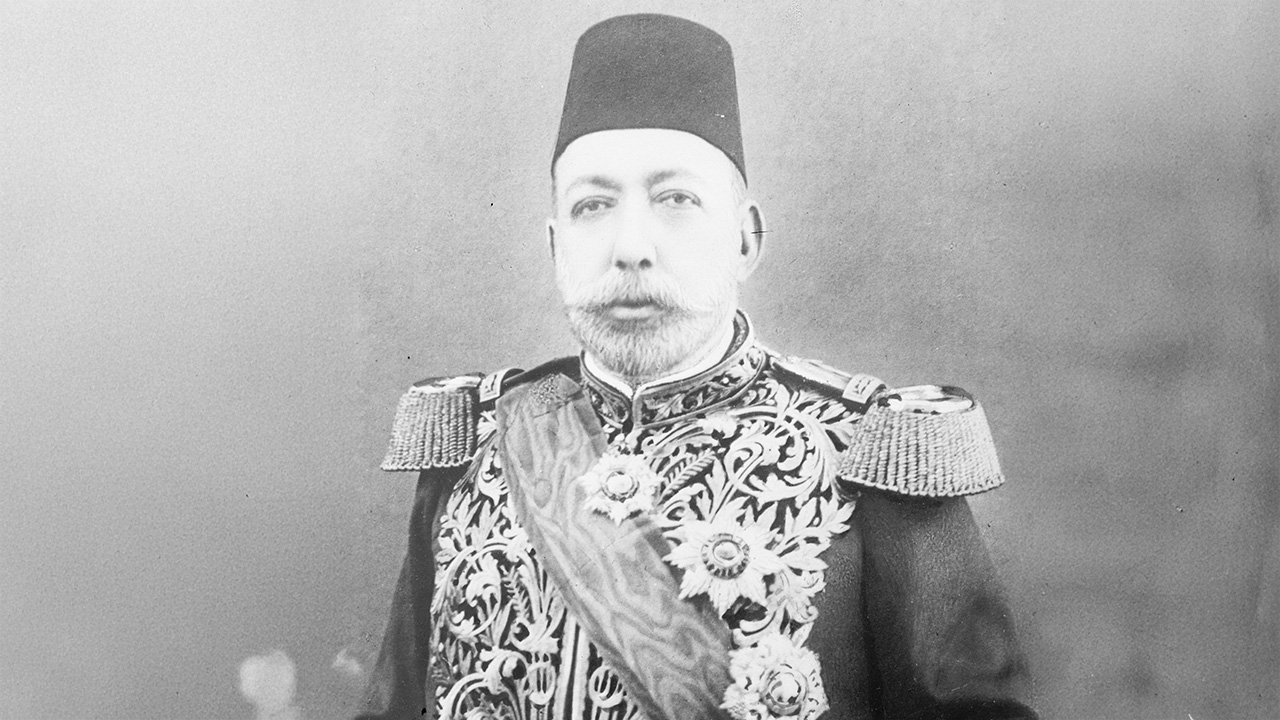
Correct Answer: Mehmed V
The Ottoman Empire entered World War I in late 1914 during the reign of Sultan Mehmed V. While he was the formal ruler, real authority rested with the Young Turk leadership, especially the Three Pashas, who directed the empire’s wartime policy.